GALLERY
THE CITY
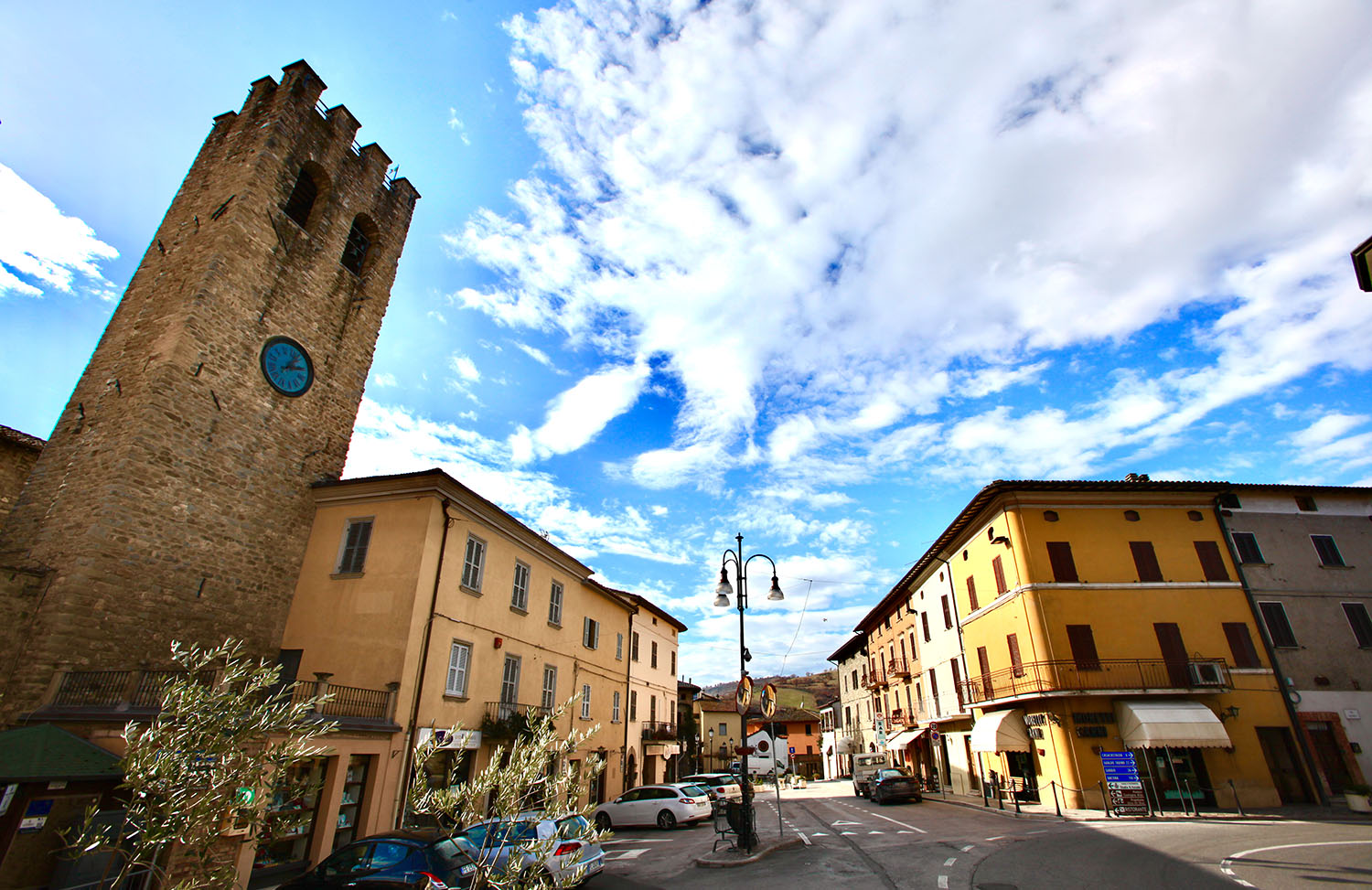
A small medieval town located at the foot of Monte delle Croci, on the banks of the Chiascio River, Valfabbrica is a charming village immersed in an area characterized by rich and uncontaminated nature, nestled between the neighboring Gubbio, Assisi and Perugia.
A crossroads of pilgrimages and paths of faith, of naturalistic and cultural itineraries that follow in the footsteps of monks and wayfarers who once moved along today’s Franciscan Path of Peace, Valfabbrica preserves the charm of the small village of the past. Its roots date back to the year 820, when the Benedictines founded the Abbey of Santa Maria in Vado Fabricae along the banks of the river, a center of power that challenged the greatest surrounding feudal lords, so much so that an imposing Castle was built to defend it, a symbol of strength and resistance against enemy attacks. During the Middle Ages, the territory was long disputed between the cities of Perugia, Assisi and Gubbio and then definitively entered, starting from the 16th century, into the dominions of the Church under whose government, except for the Napoleonic period, it remained until the constitution of the Kingdom of Italy.
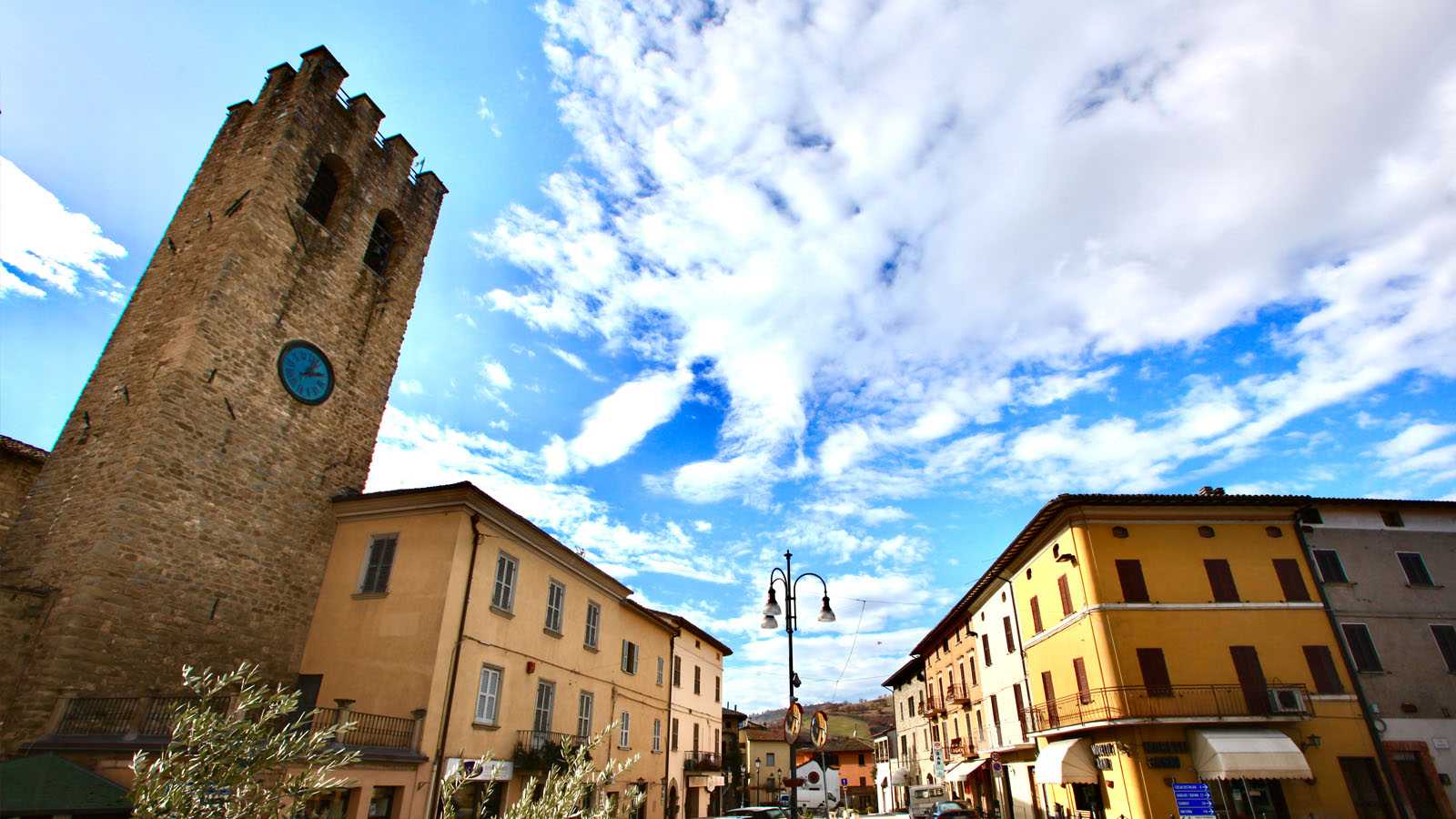
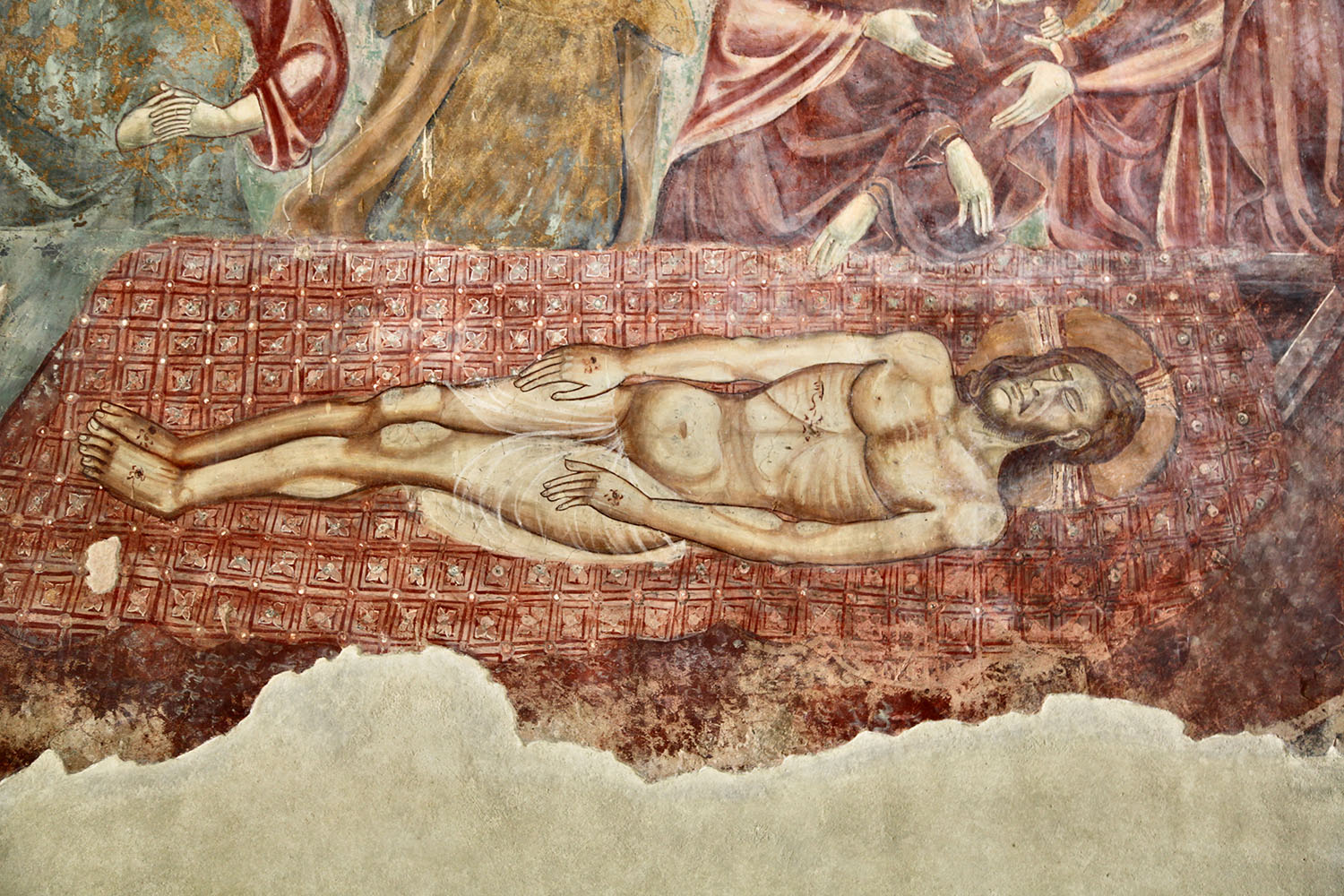
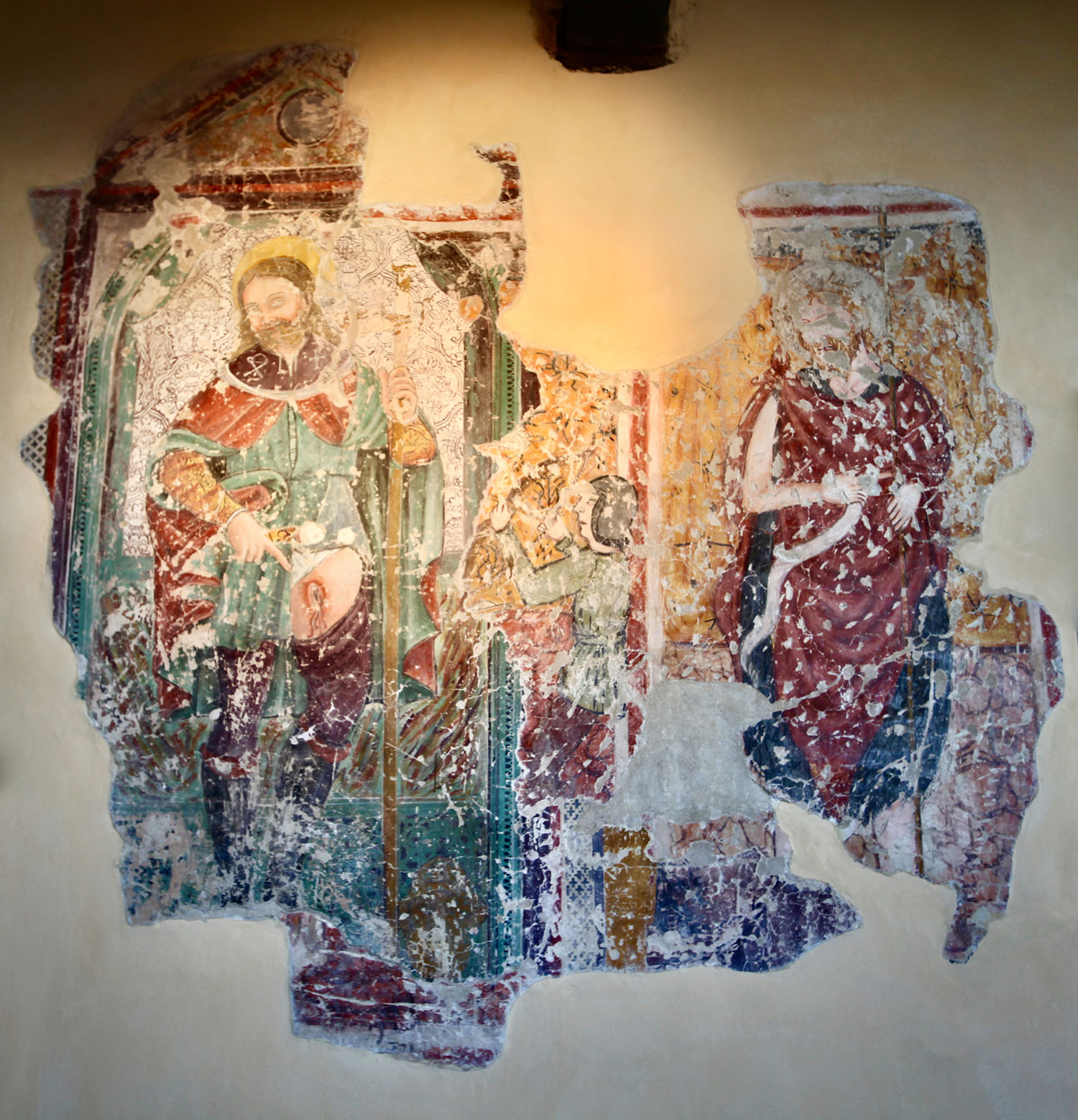
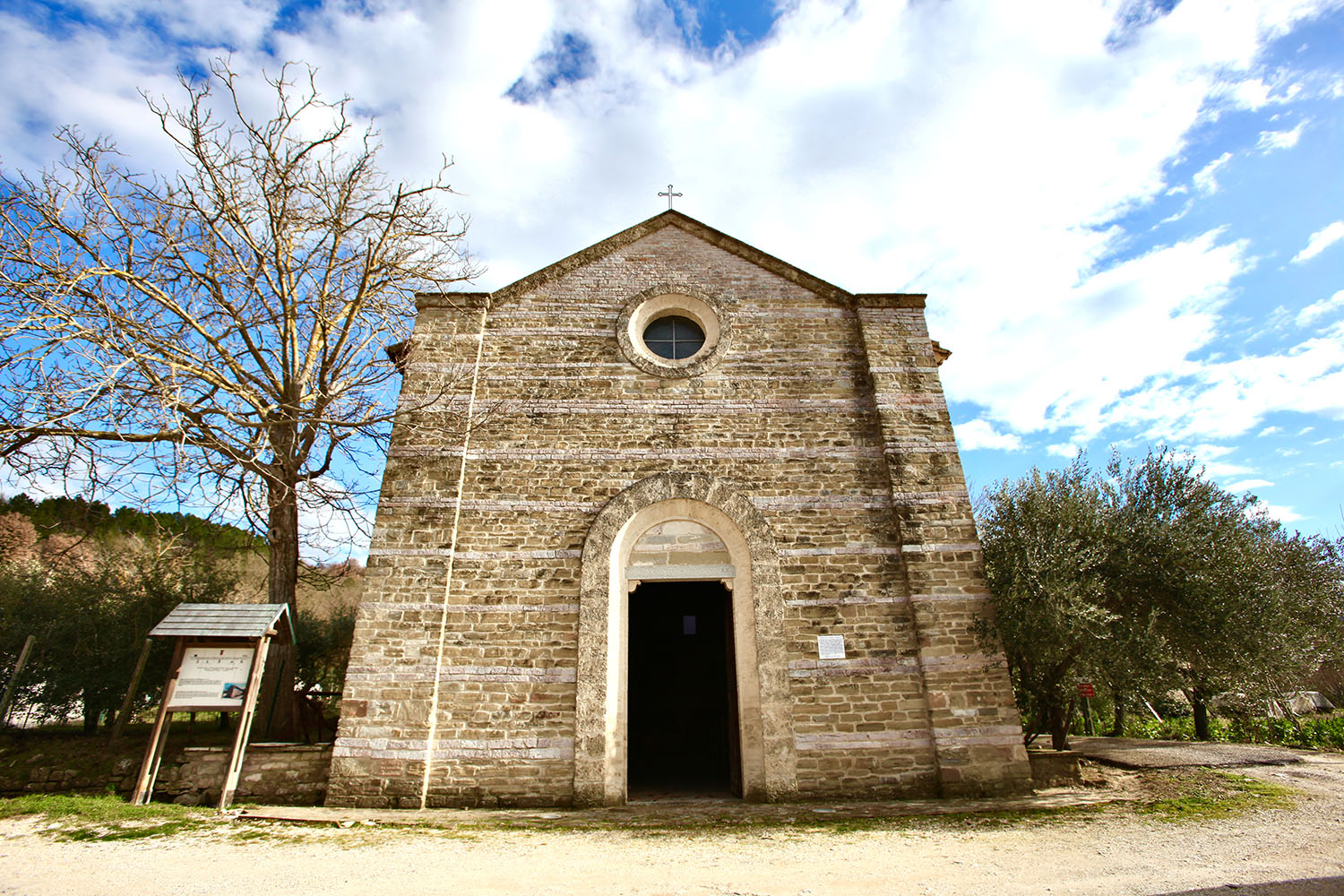
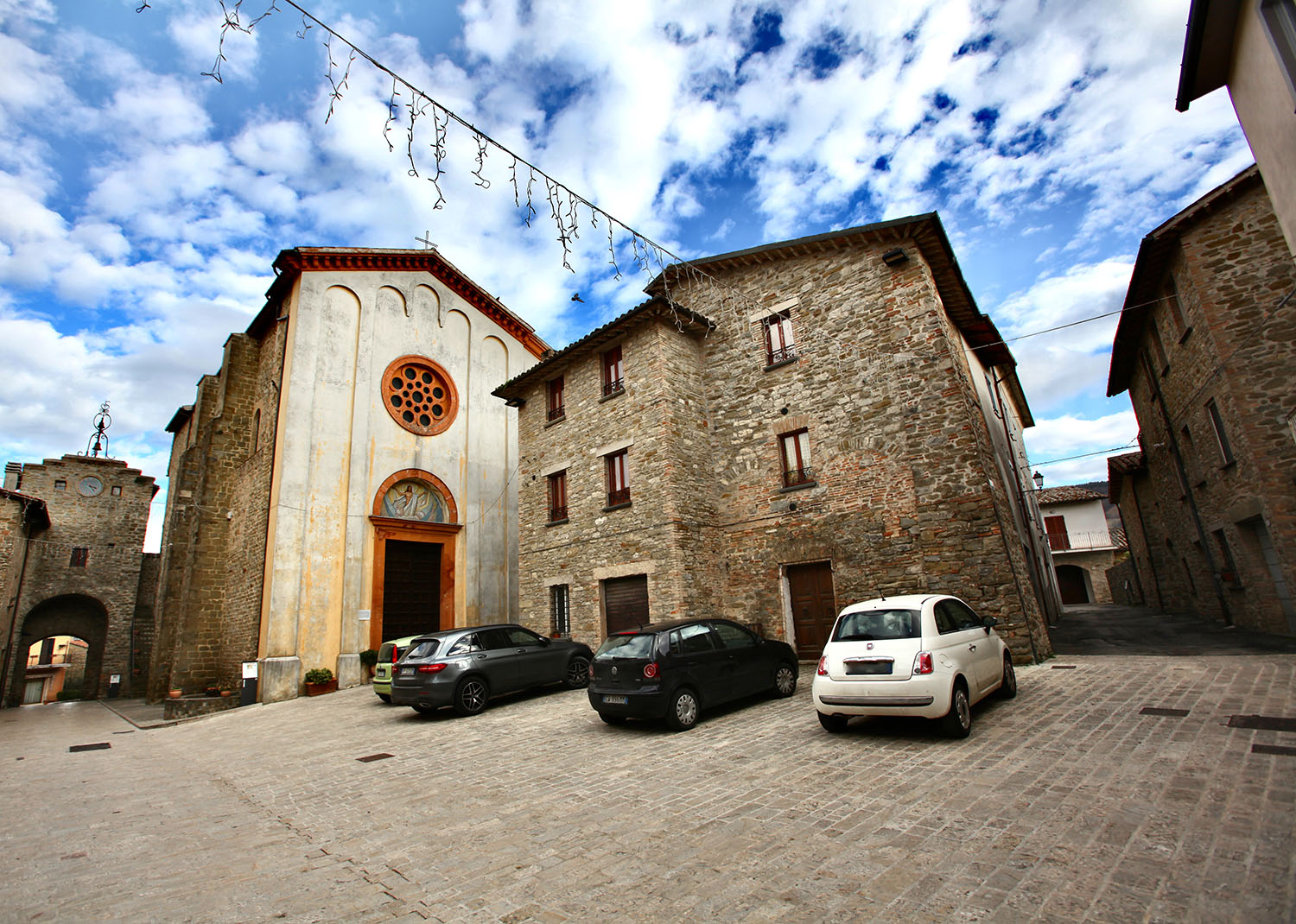
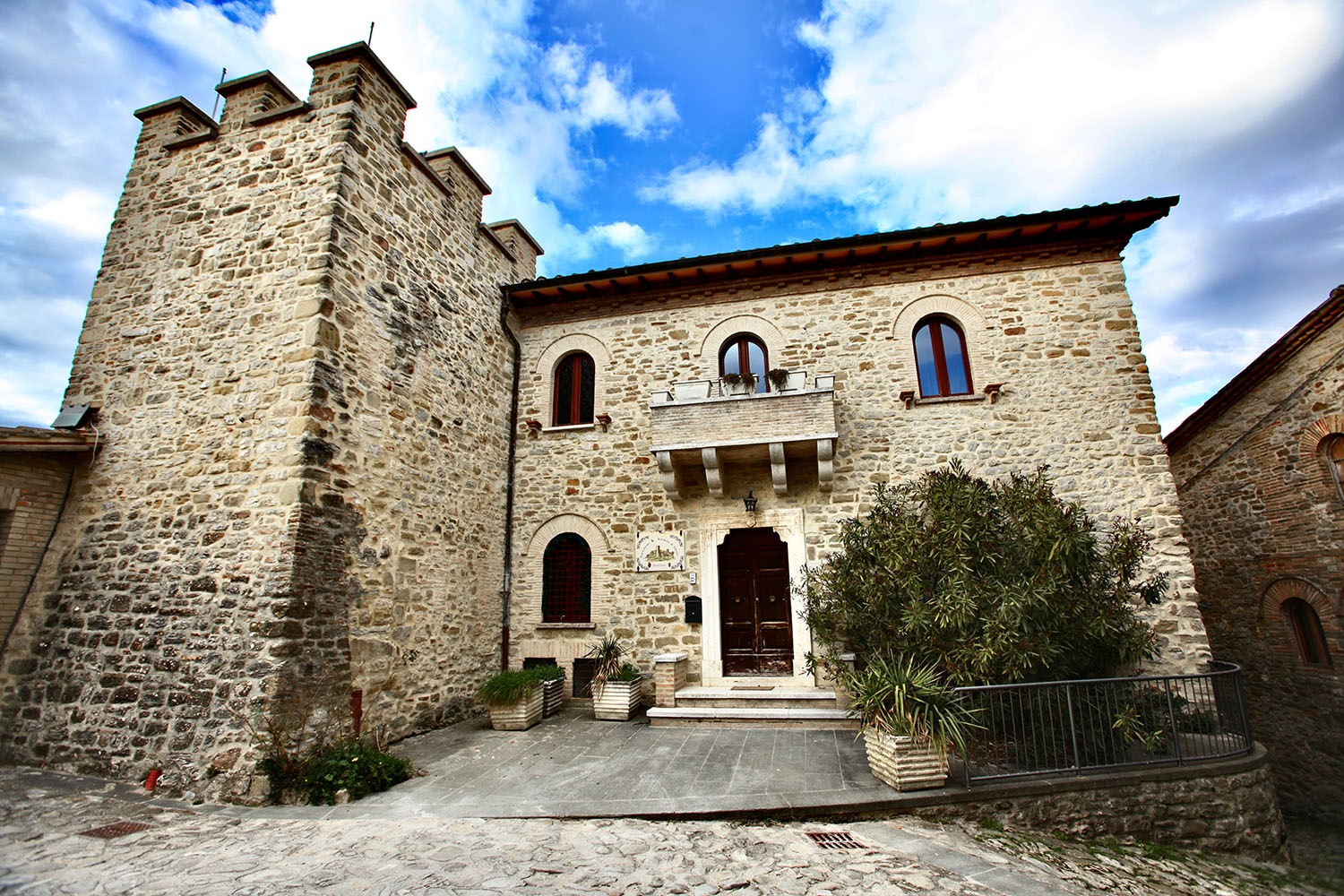
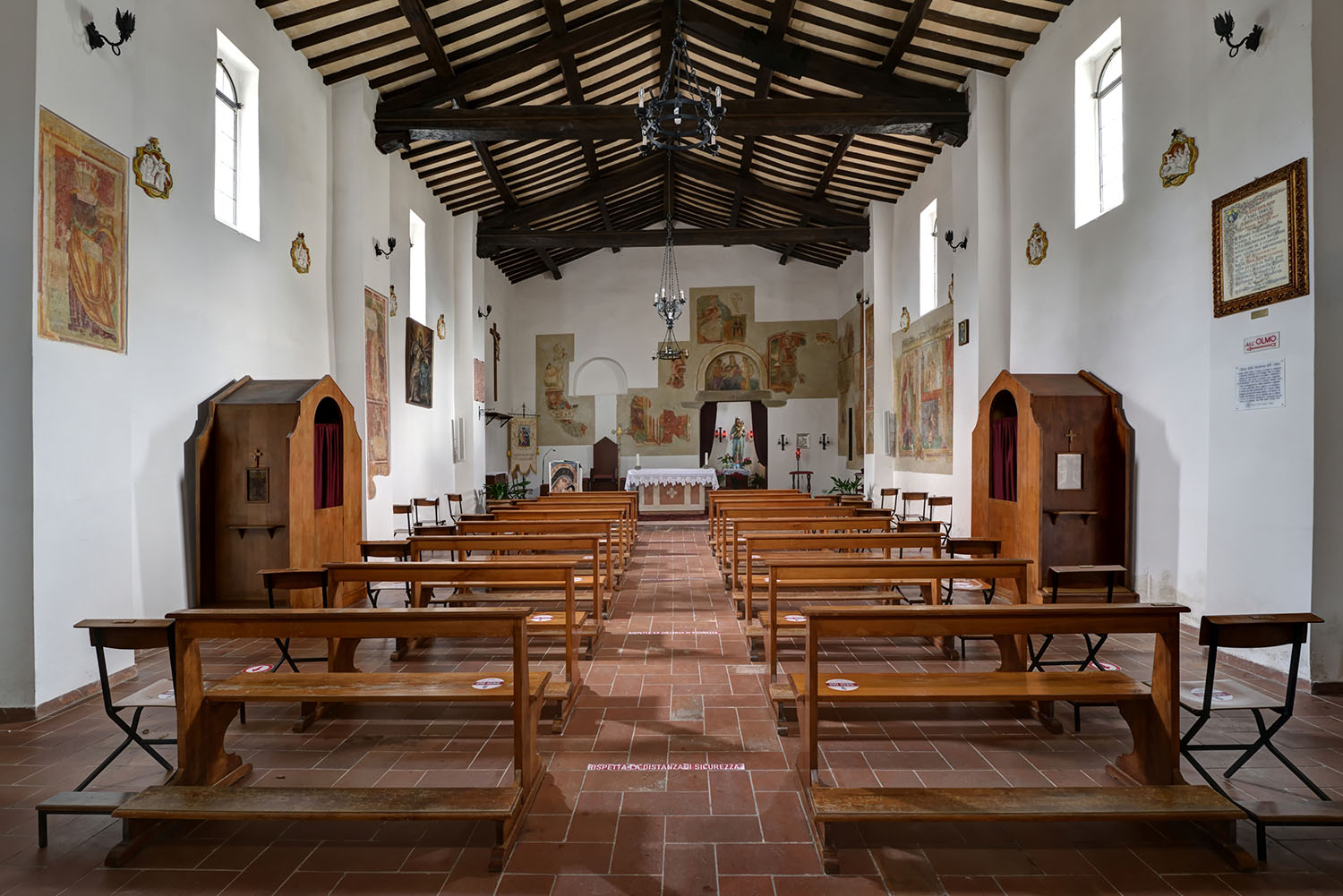
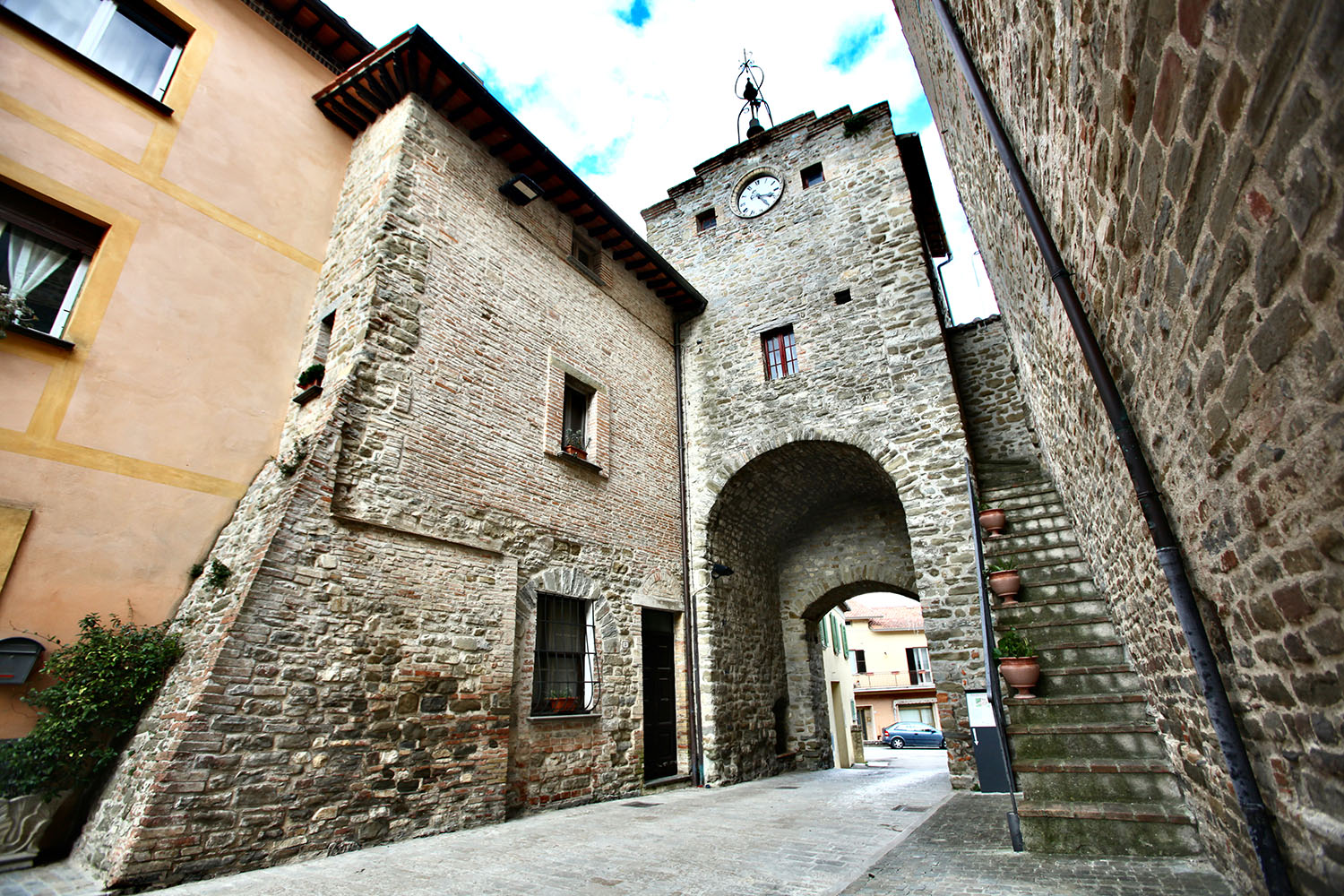
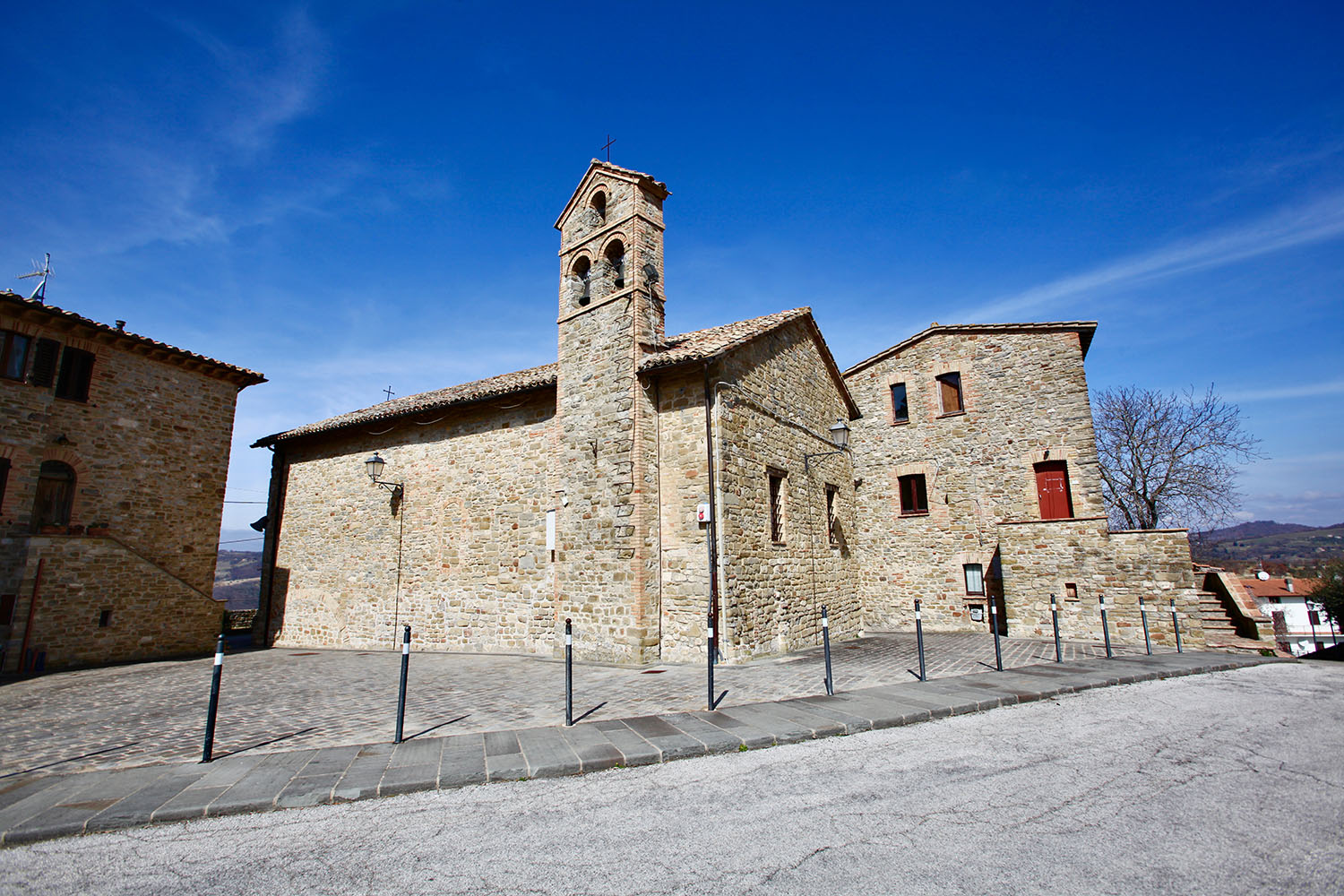
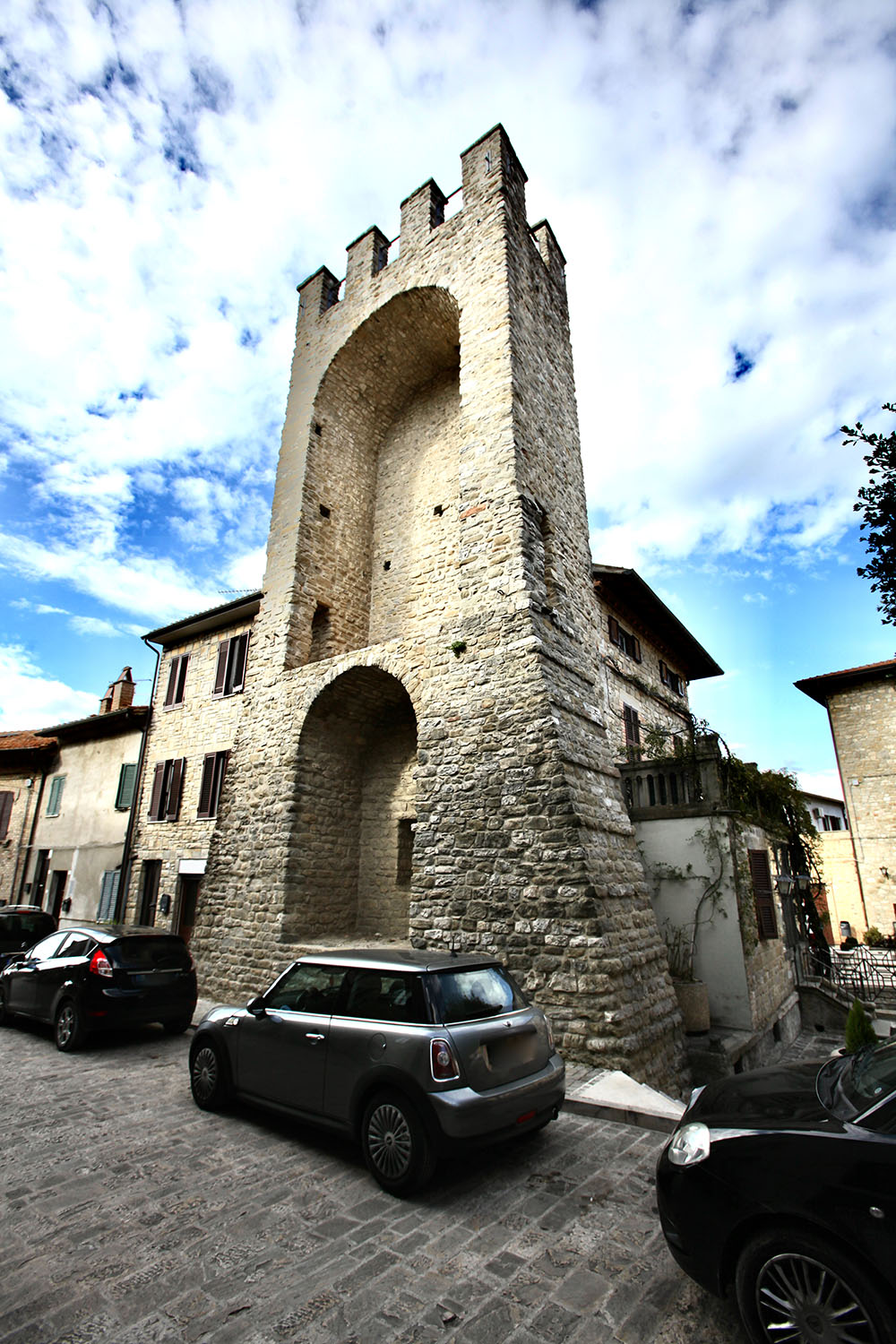
Today, visitors, entering the town made up of alleys, ancient stone buildings and narrow tunnels, can still admire the remains of that glorious past: the ancient medieval Castle, preserves beautiful 13th-century walls and a mighty Tower. Inside the Castle it is also possible to admire the Civic Tower and the church of San Sebastiano, once an Oratory, renovated in the 16th century and now home to the Civic Museum. Outside the Castle, the small church of the Madonna della Foce or della Neve, built between 1634 and 1636, with a large terracotta rose window and the Church of Santa Maria Assunta, part of the Benedictine Abbey of Santa Maria in Vado Fabricae, which some scholars indicate as the place where Francis found hospitality after abandoning his city, during the journey to Gubbio. Inside it is still possible to find a splendid fresco of the Cimabue school.
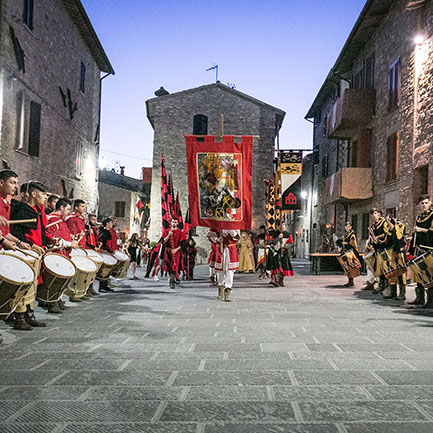
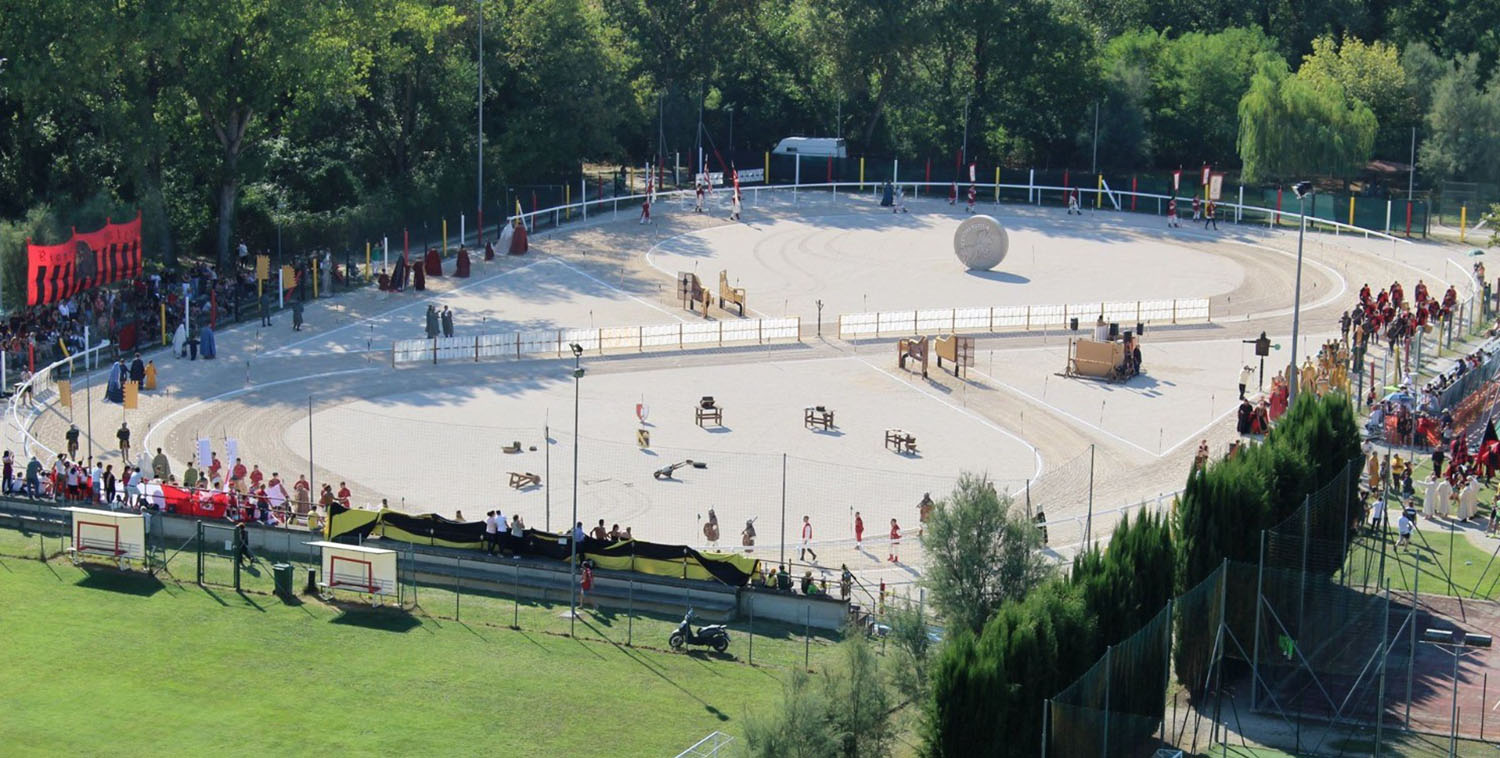
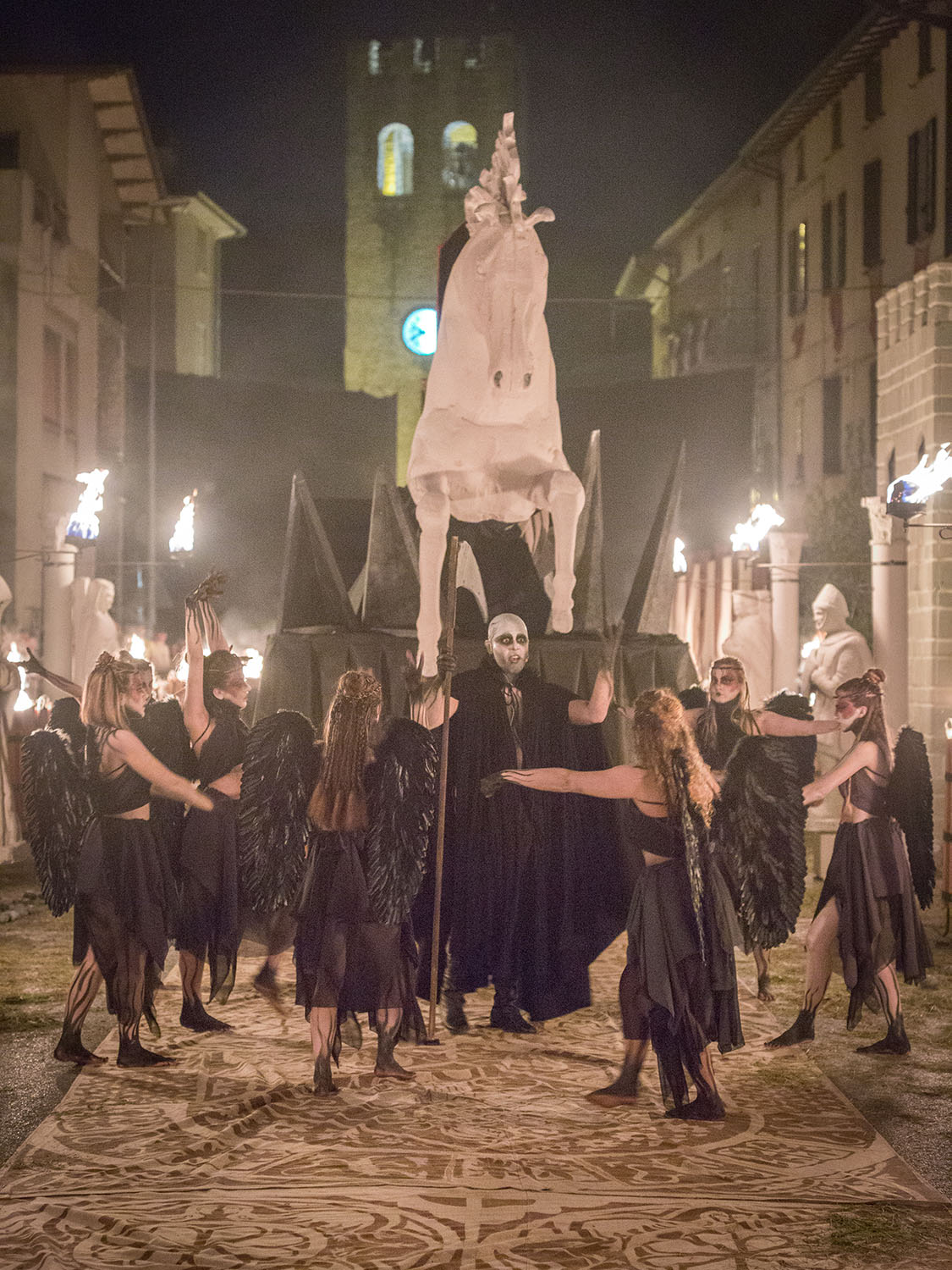
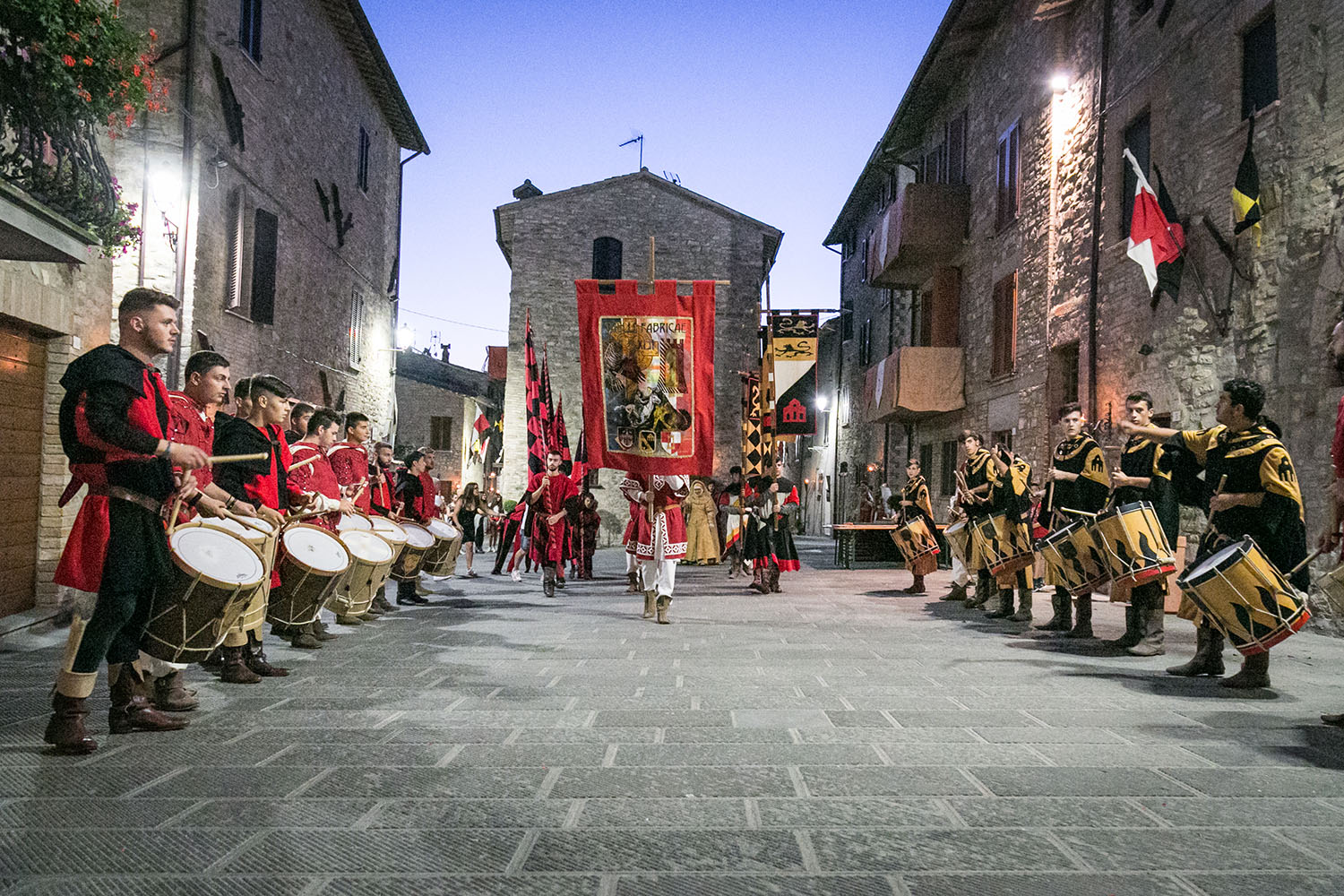
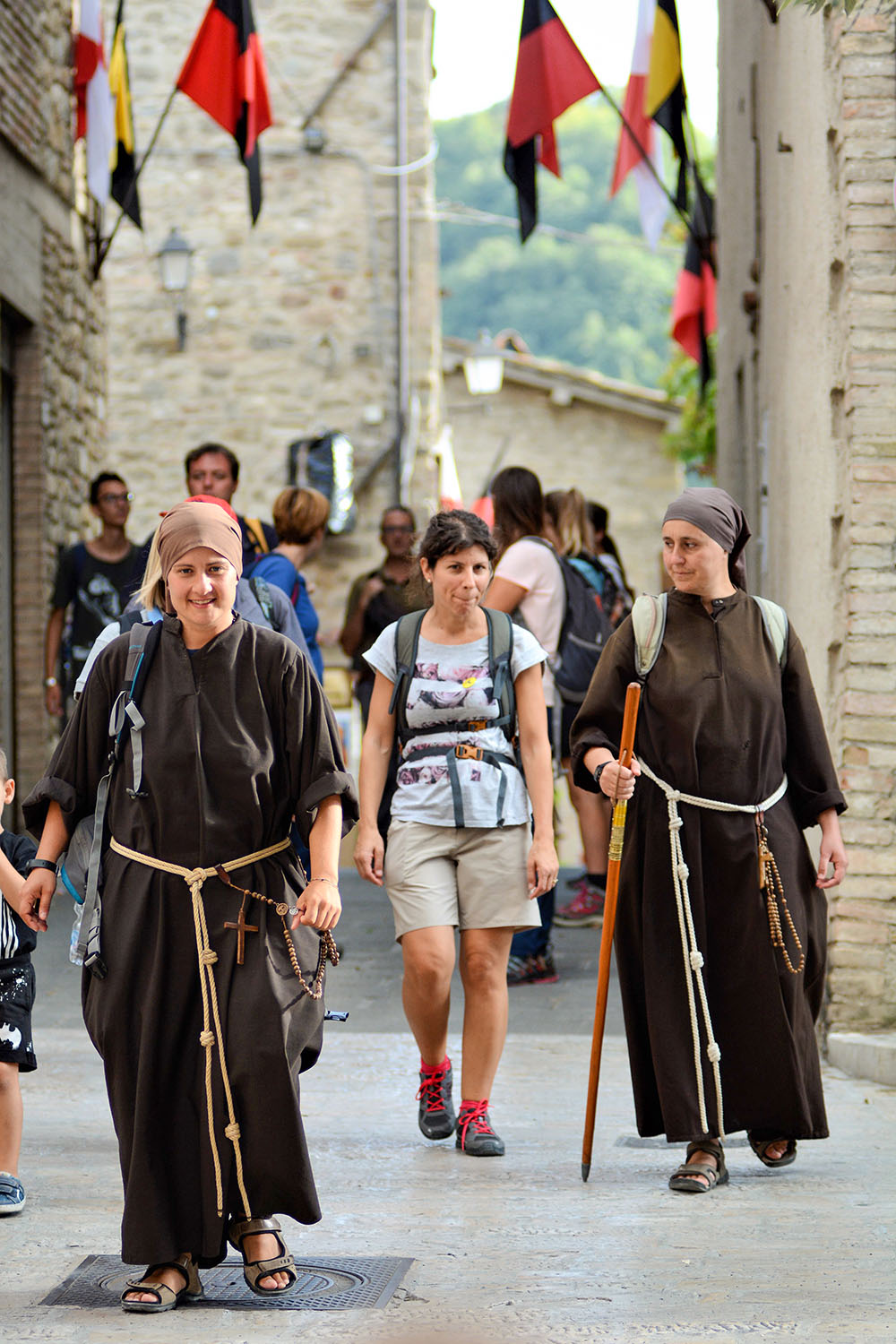
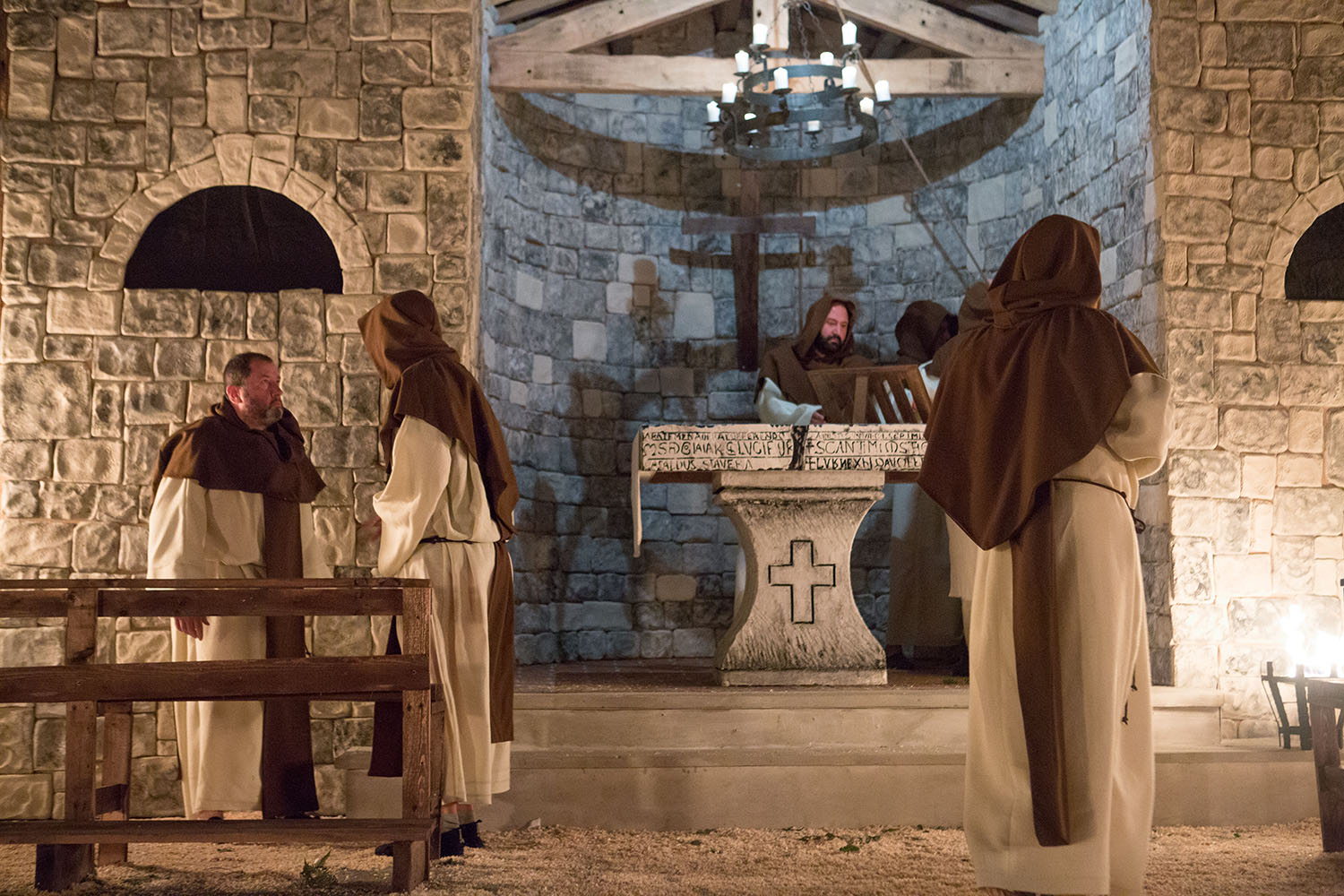
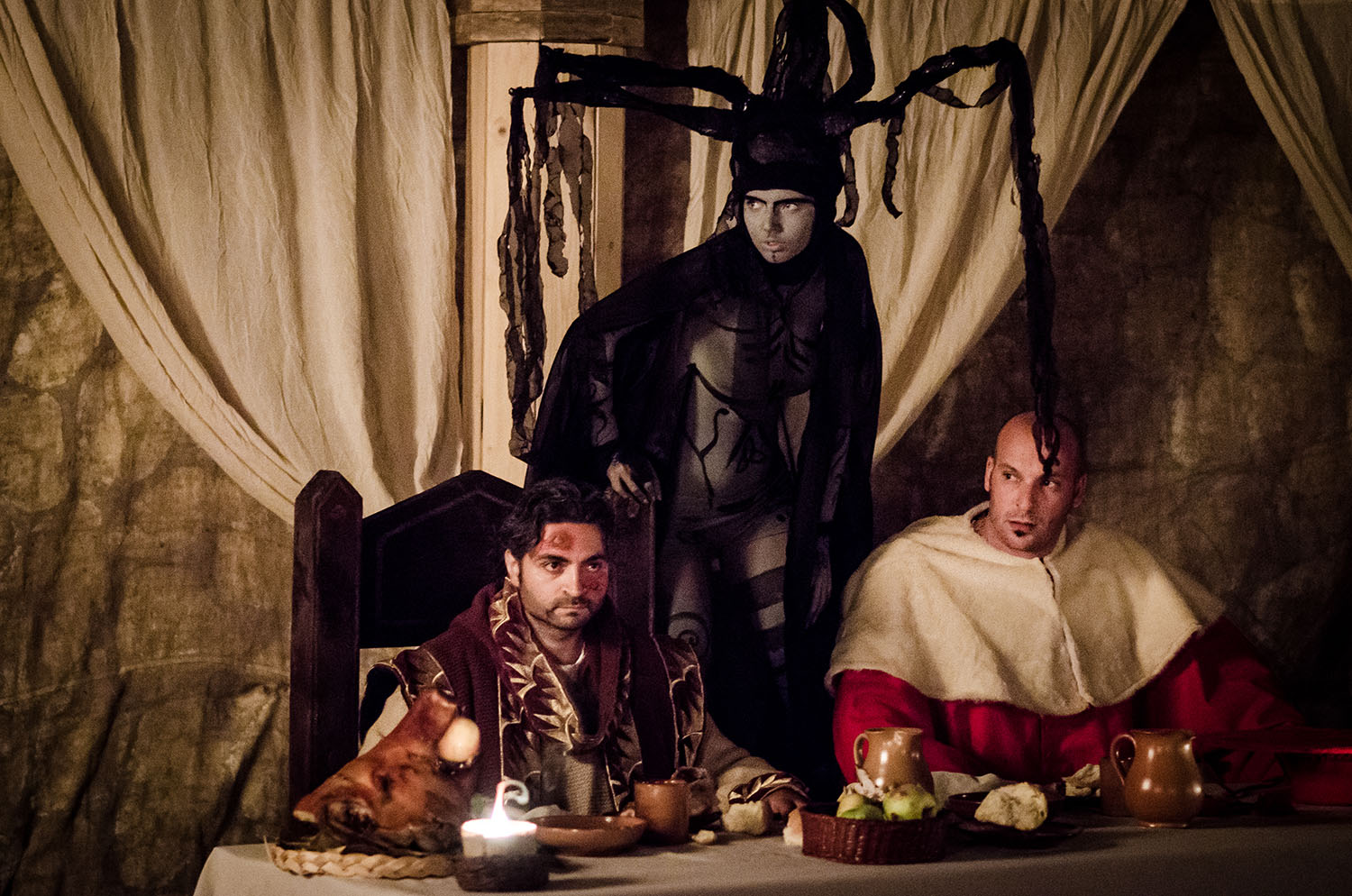
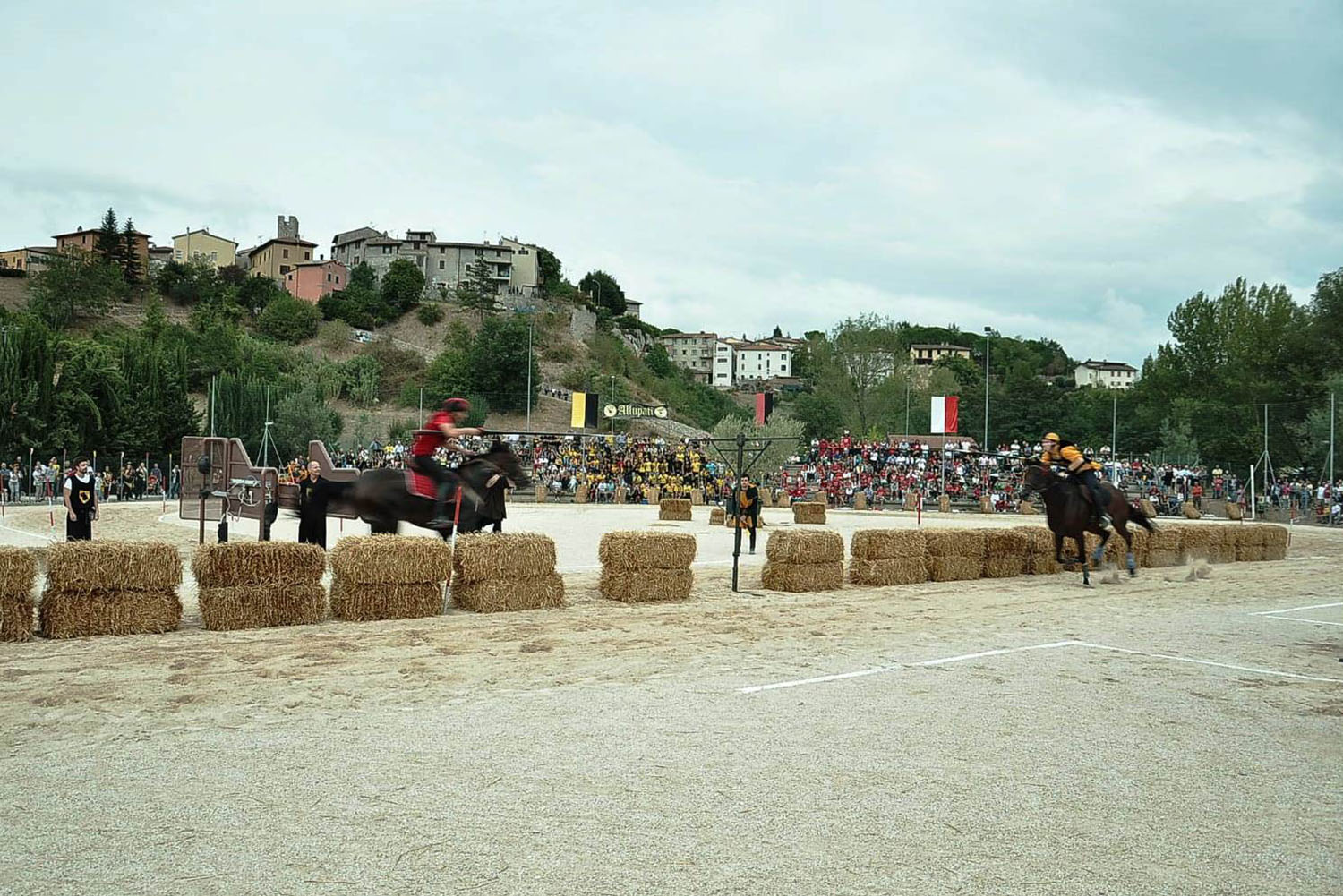
Valfabbrica is the scene of one of the most interesting events in the area: the Palio di Valfabbrica, a suggestive medieval re-enactment included in the Autumn Festival, during which, on the first Sunday of September, the three current districts of Badia, Osteria and Pedicino, parade in procession along the city streets giving life to scenes and episodes of the medieval era. After the parade, the knights of the three districts challenge each other in the joust for the conquest of the Palio against the backdrop of the mighty city walls.
The territory
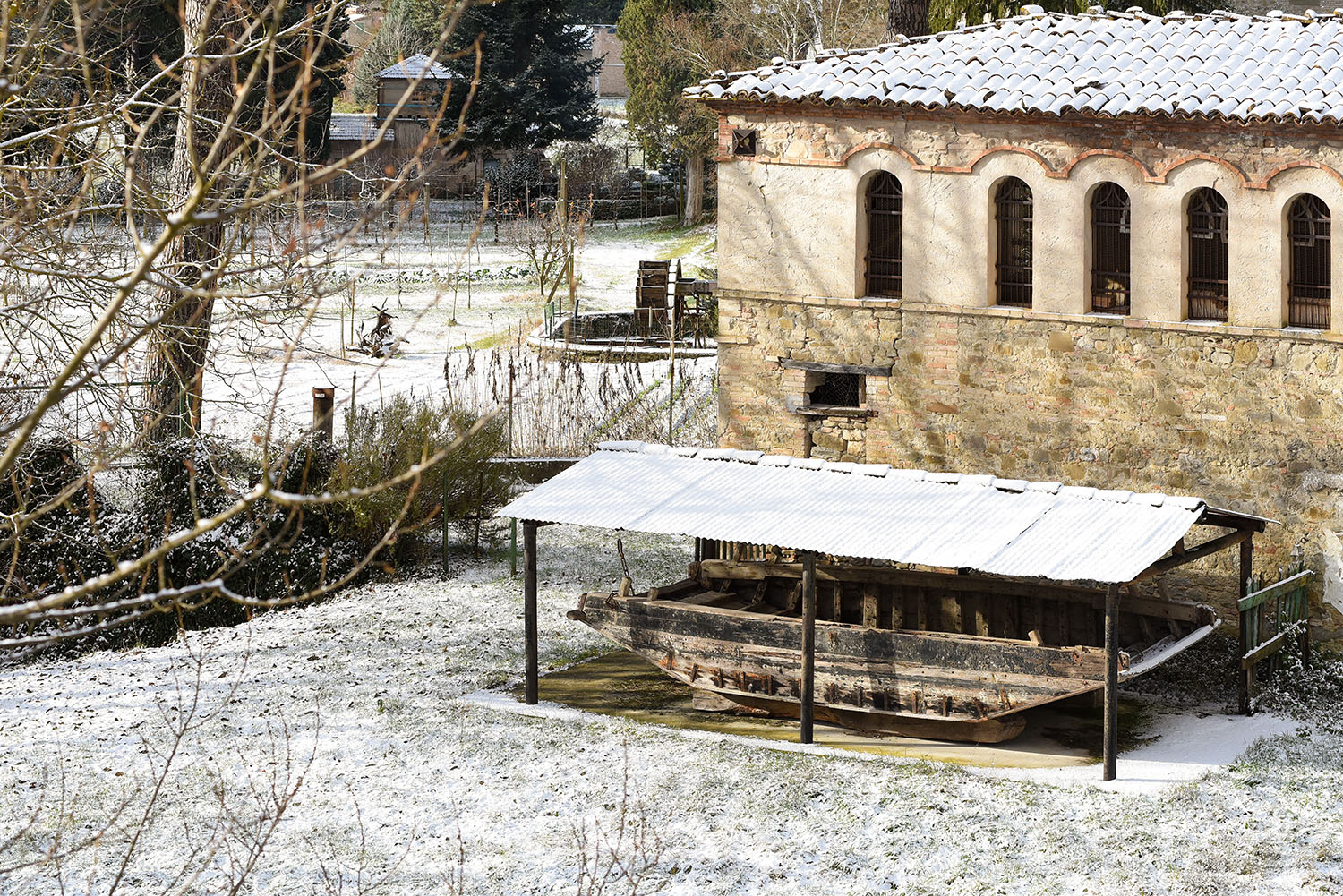
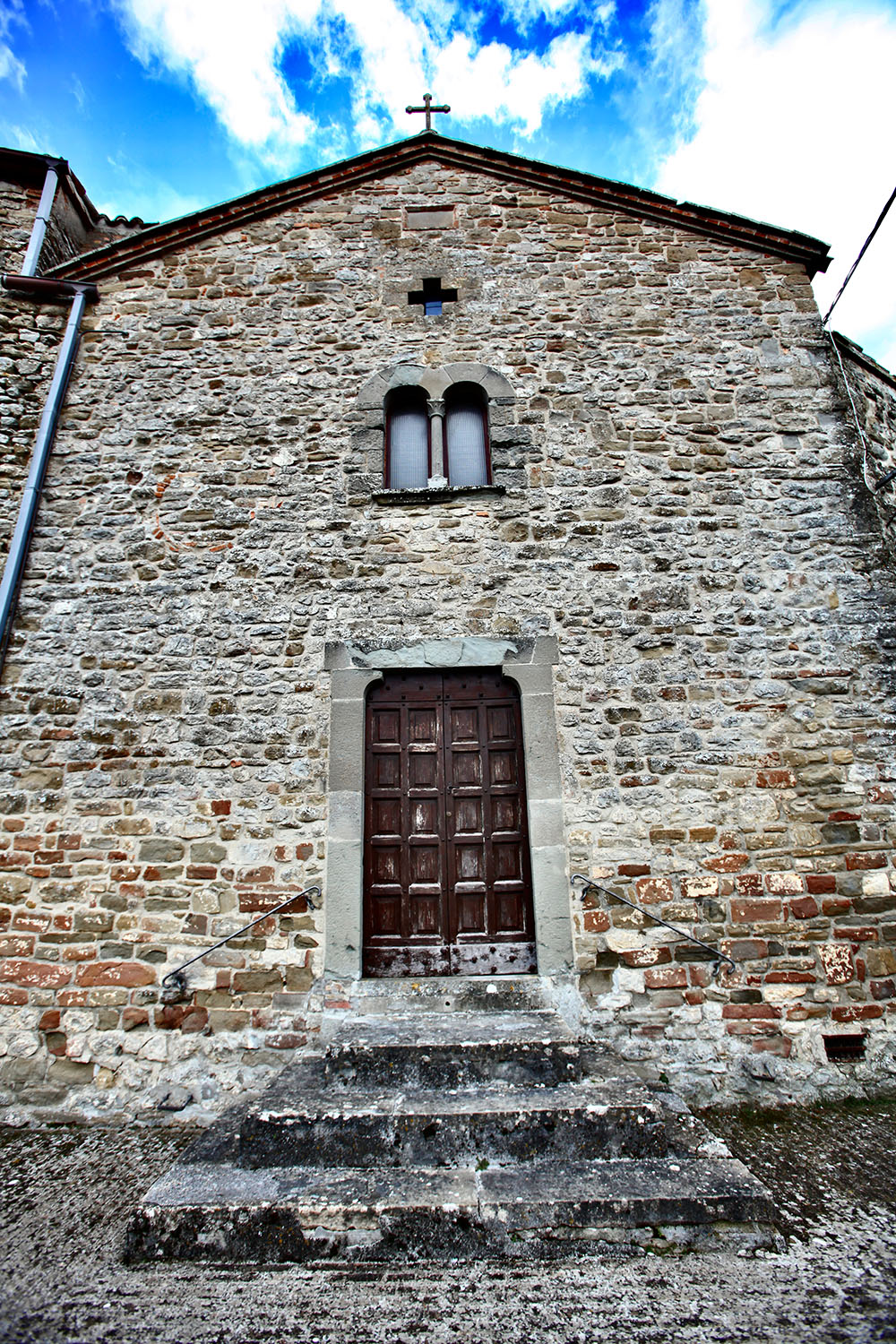
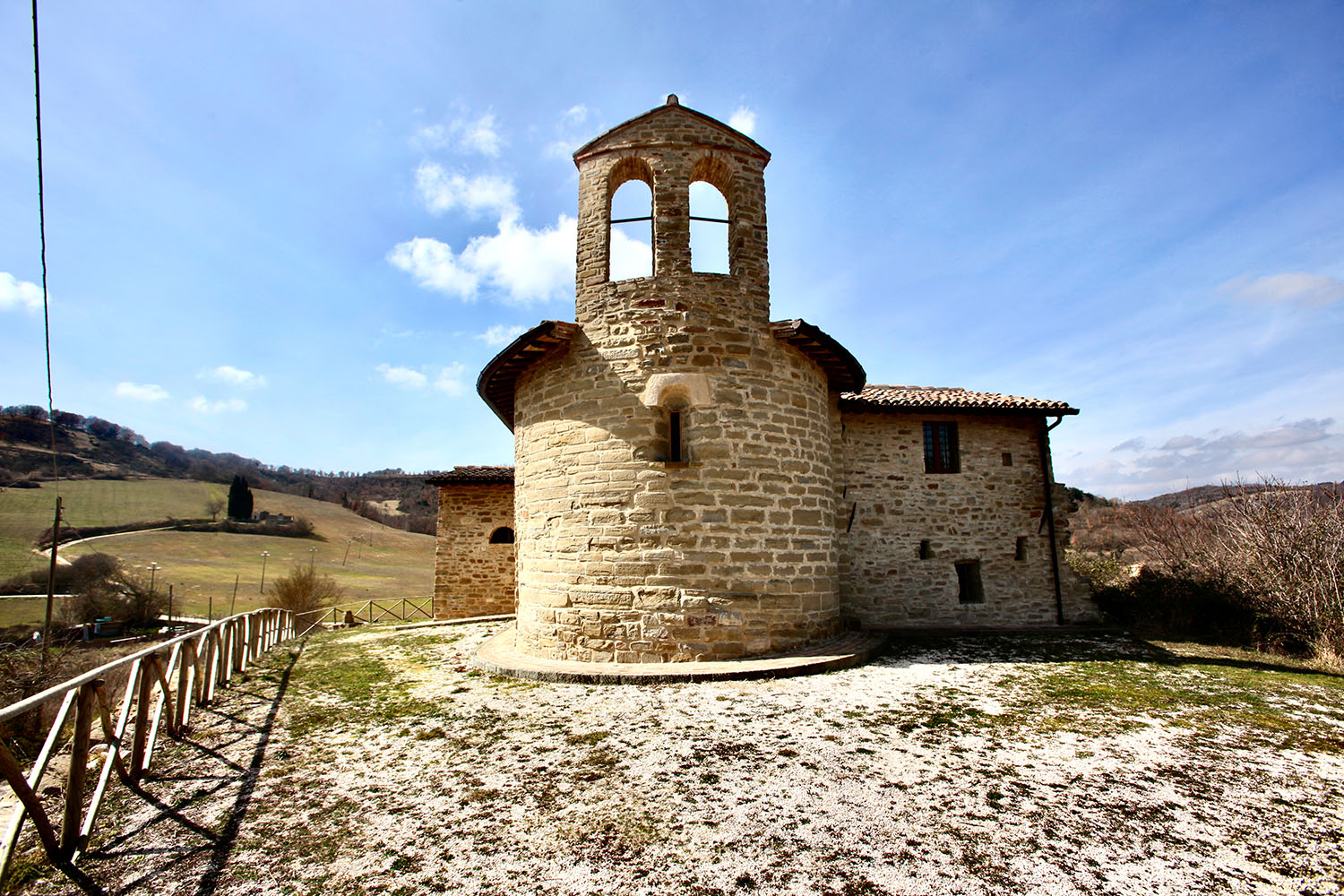
Among woods and hills, crossed by the tributaries of the river Chiascio, the territory that surrounds Valfabbrica is an island of peace where art, nature, spirituality and tradition come together gracefully. Valfabbrica is a part of the Franciscan Peace Path Assisi-Gubbio, a major pilgrimage destination. The town and its valley embrace old castles and fortified medieval towers, as well as religious buildings surrounded by nature and small towns where time seems to have stopped. Coccorano with the medieval castle of the same name where, according to the legend, Saint Francis stayed. Casacastalda, ancient medieval town shaped like a “diamond”, where you can find the beautiful “Triptych by Matteo from Gualdo”. Castello di Giomici, a fascinating fortified town that overlooks the valley. Among the most evocative naturalistic places it is worth mentioning Barcaccia, a place along the river Chiascio whose name is linked to an ancient chiatta, a barge, that it is still conserved on the riverbank. Forre di Rio Grande, a wonderful path between rock and water and Borgo Sambuco with the small Church of Saint Mark. Solitary and authentic routes and places that are rich in history and spirituality where you can still breathe in an harmonious sense of beauty and peace.
The Municipality of Valfabbrica is made up of the communities of the populations and territories of the capital and the hamlets of Casacastalda, Monteverde and Giomici, the inhabited centers of Poggio S. Dionisio, Poggio Morico, Collemincio, San Donato and Sospertole, and the localities of Coccorano, Pioppo, Barcaccia, Montevillano, Sambuco, Pian Saluccio, Pian di Tetto, Schifanoia, San Savino, Osteria Cerasa, Cagennaro, Viali, Frecco, Badia San Nicolò.
MUST-SEE IN VALFABBRICA