THE ART OF STONE IN GUBBIO
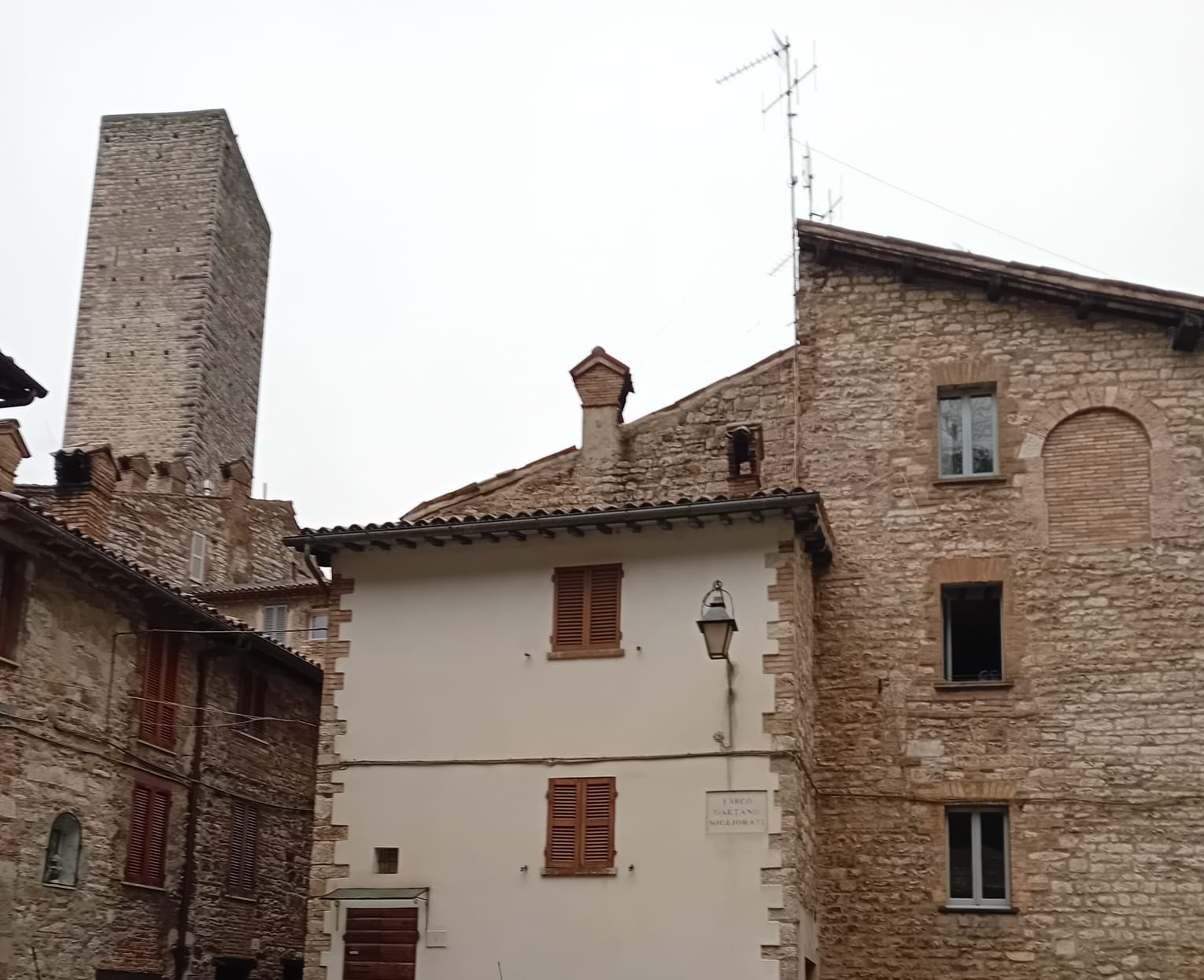
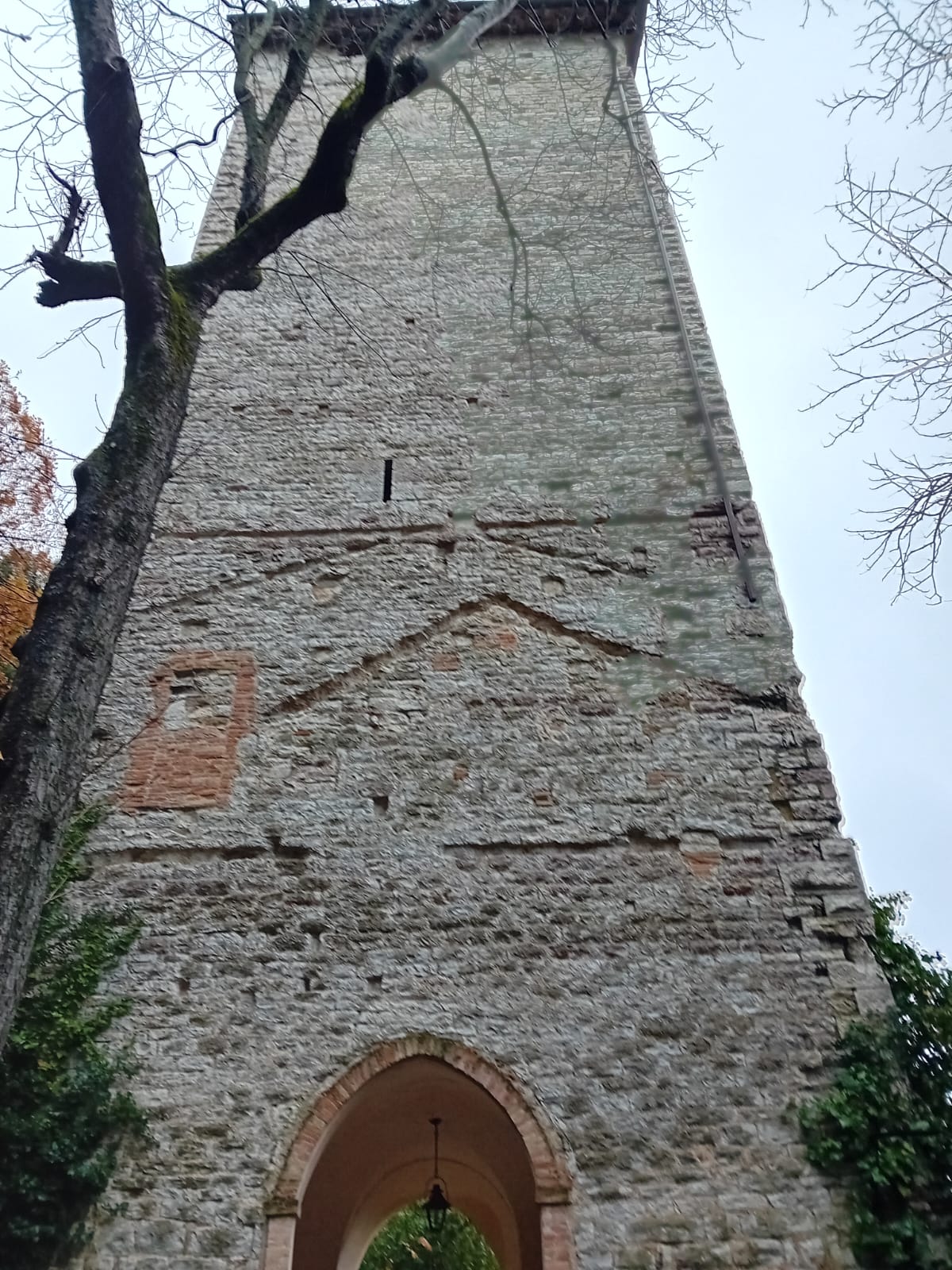
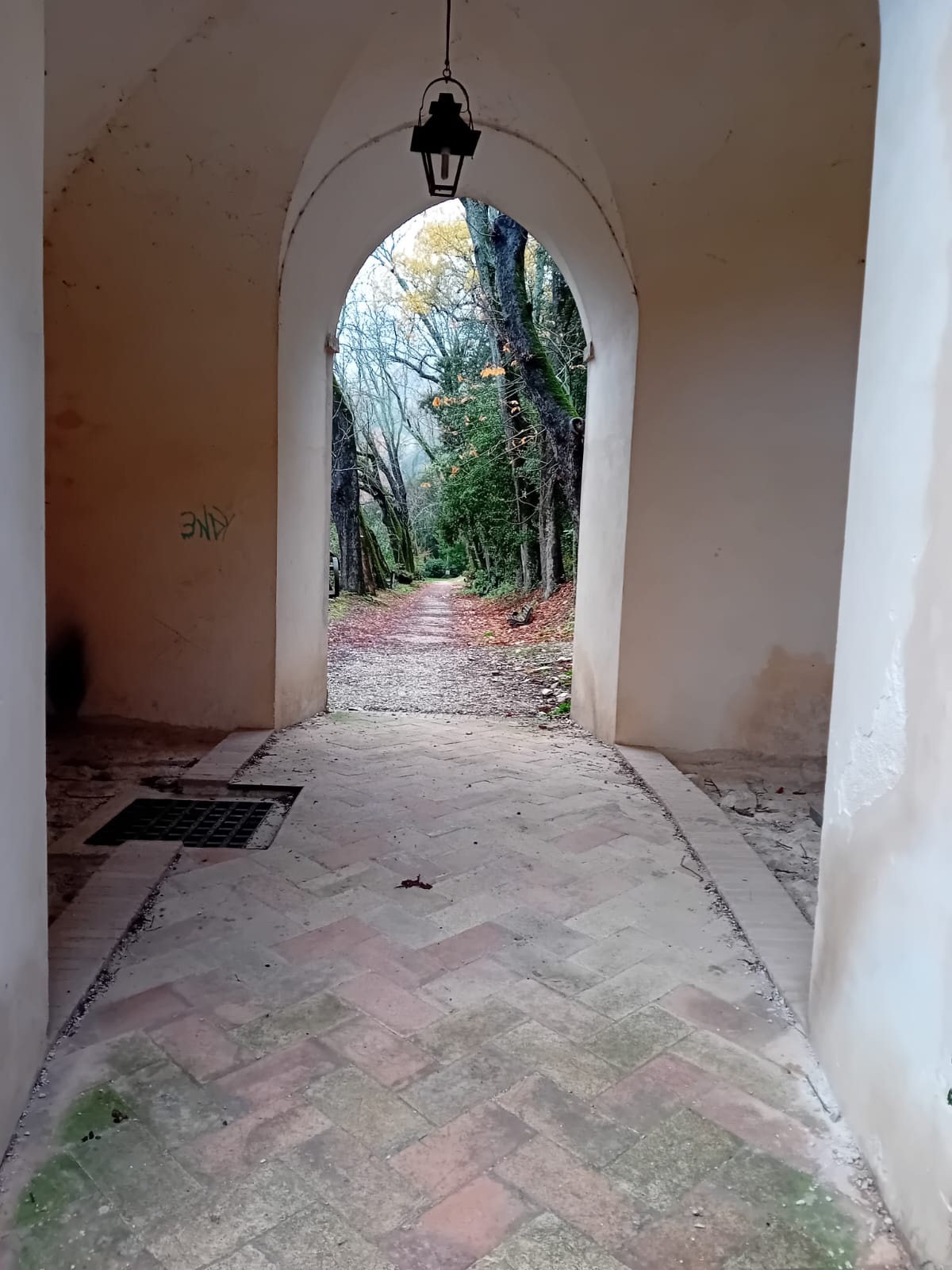
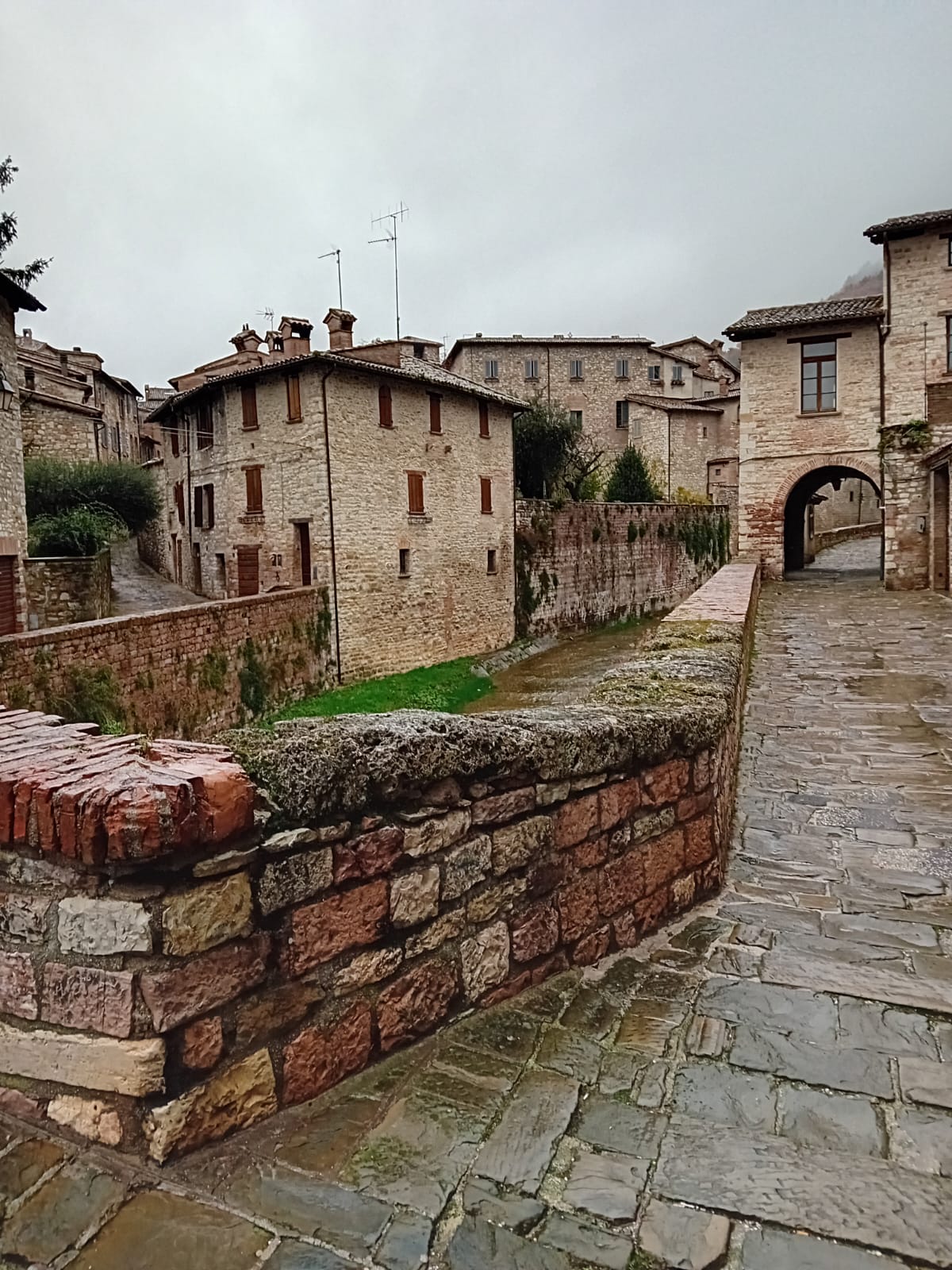
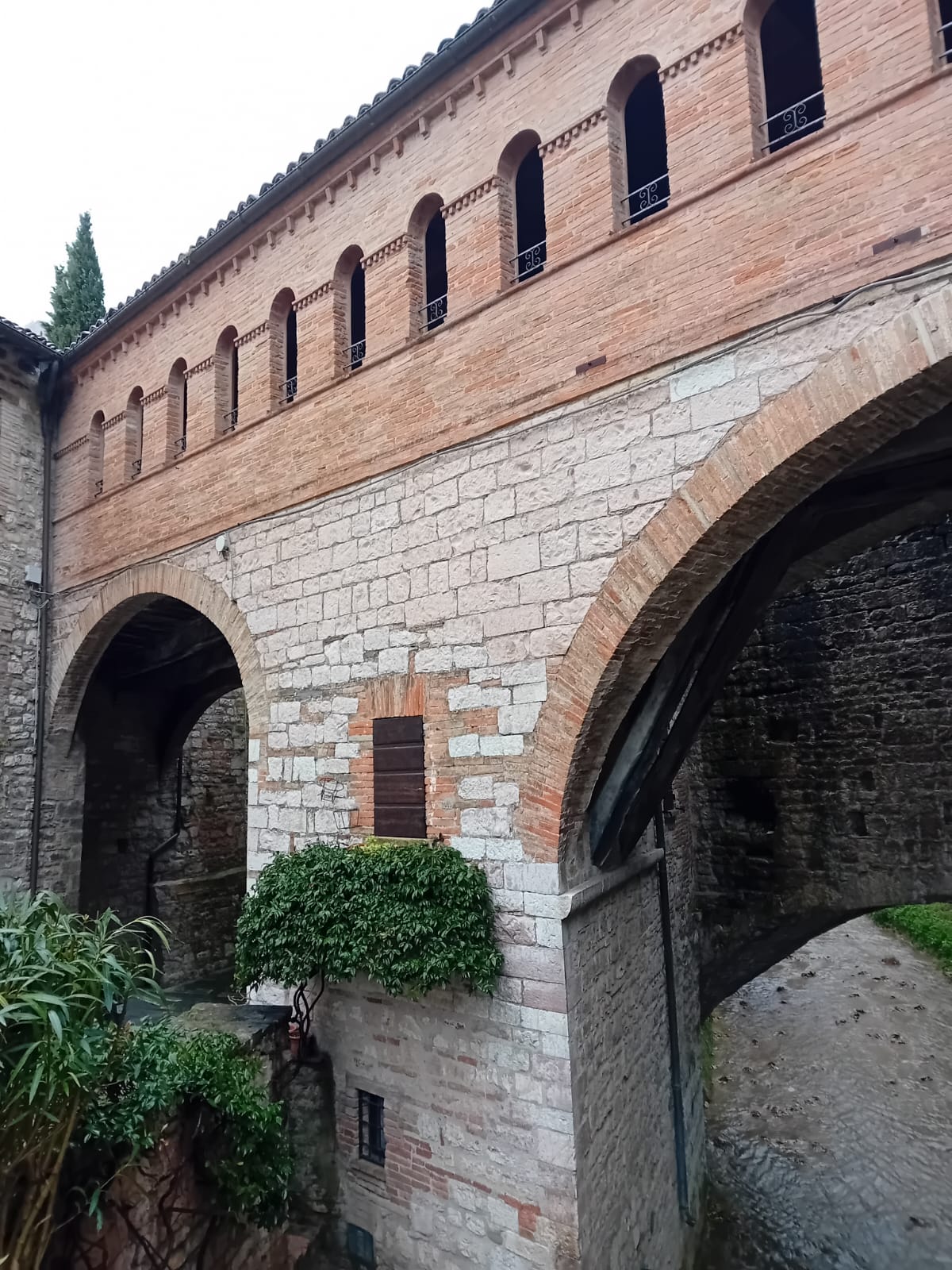
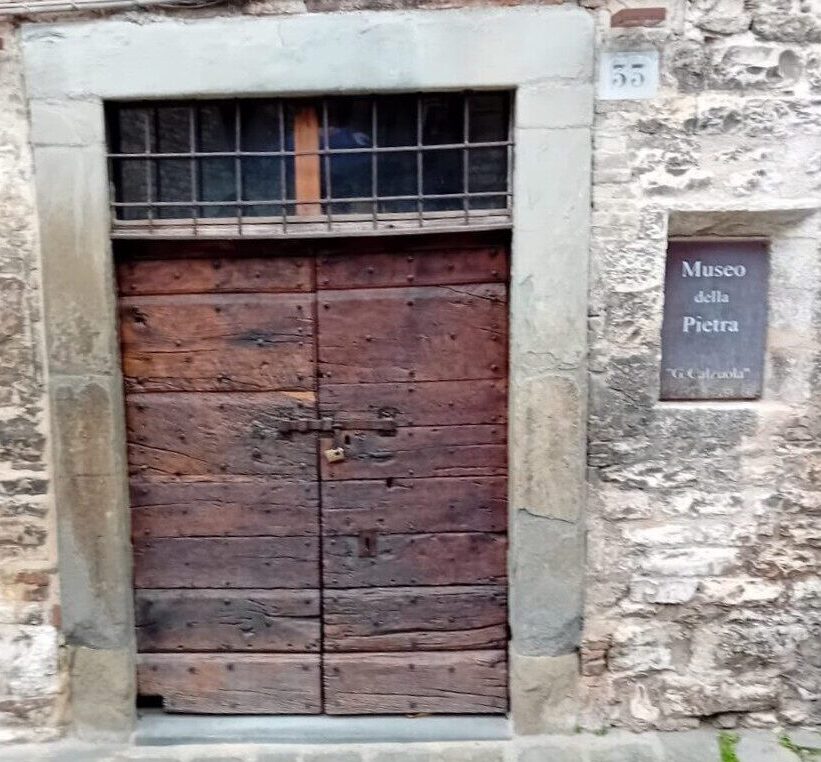
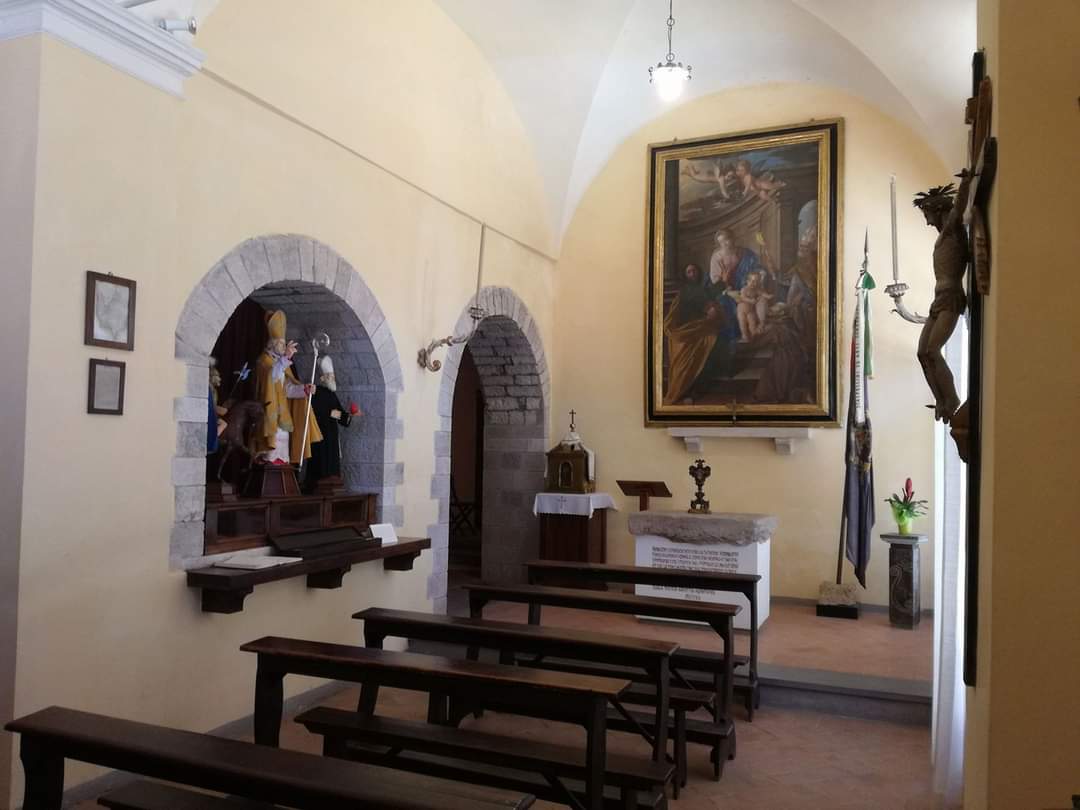
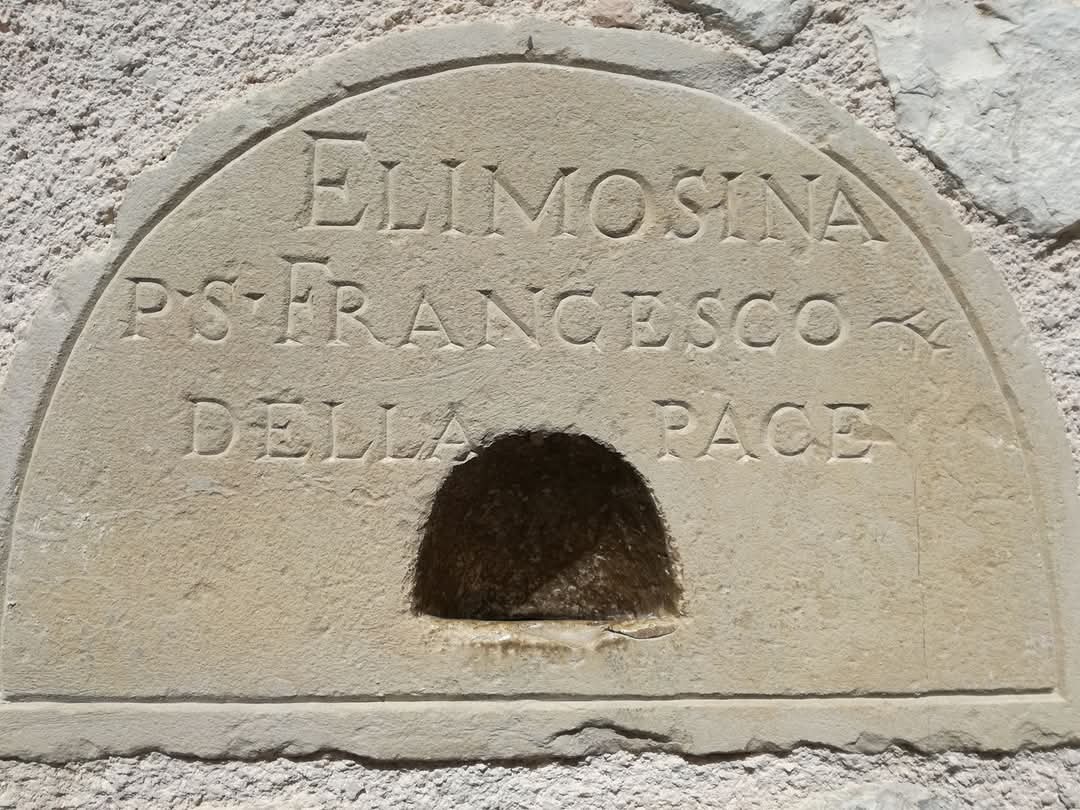
Within the framework of the Arts and Crafts present in Gubbio, the Ars Magistrorum Lapidum (the art of stonemasons or stone masters) has always played a prominent role, tangibly evident even in merely admiring the historical face of the city with its defensive walls, fortresses, the Cassero, the aqueduct, and numerous buildings in the city center. Outside the city, in the upper part of the Camignano River, were the activities of lime burners and stone extractors for breccia. By the end of the 15th century, the municipality sold or rented portions of rocky outcrops for this purpose. The breccia extracted was processed by lime burners, which explains the presence of kilns indicated by existing toponyms in the area (such as Fornacette); it is no coincidence that various public and religious institutions sought to obtain control over the mills for grinding the breccia. Documents reveal that, prior to the construction of Parco Ranghiasci in the 1840s, the area between the end of the aqueduct and the present-day Via del Fiume was quite populated. While in this part of the city, we take the opportunity to open a small curiosity: near Largo Migliorati (Photo 1), at the beginning of Via della Ripa, close to a public well, there was a harmonica factory that lasted a remarkable 100 years, linking to the presence in the city of a flourishing musical art that has continued through the centuries to the present day. For example, on April 26, 1764, a certain Giovanni Marinelli submitted a request to establish a gut string factory for violins and lutes in Gubbio, a request that was accepted partly because it assisted the heirs of the butchers’ craft, who were struggling to dispose of all the intestines and offal in their possession. This legacy would prove decisive for the activity of the violin-making school, which in the 20th century owes much of its existence and prosperity to the figure of Guerriero Spataffi, a master luthier. Continuing along the area of Parco Ranghiasci, we encounter a site of artistic and historical significance, not only regarding the existing results and testimonies but also in relation to the hypotheses that history, in its narrative and oral fabric, has always passed down: this concerns the Tower of San Luca (Photos 2, 3), which still stands imposing today and, according to a thesis related to a not-so-distant tradition, is situated near the place believed to be the birthplace of Saint Ubaldo, whose centrality in relation to the art of stonemasonry is undeniable. Following the course of the Camignano River, we find the “Bridges of Abundance” (Photos 4, 5), which were once functional for the food supply of the city, particularly linked to the presence of the mill for grinding the grain necessary for flour production in the municipal bakery. Currently, in the area, we can observe the existence of the Museum of Stone (Photo 6), dedicated to the artist Giuseppe Calzuola, who was born in Gubbio in 1932. A central role in the creation and management of this site is held by the University of Stonemasons and Sculptors. This historic association, still responsible for organizing the Festa dei Ceri, has its roots in the ancient art just mentioned. A clear testament to the skill of our stone masters is the Palazzo dei Consoli, whose construction process dates back to December 14, 1321, and prominently features the two charismatic figures of Angelo da Orvieto and Matteo di Giovannello Gattapone. During the construction of this 14th-century architectural complex, we have a document from April 1337 that reveals an activity of recycling materials from demolition: the municipality, in fact, received a sum of 41 pounds, 12 shillings, and 8 pennies from the sale of recovery materials from demolished buildings, resources that benefited the new architectural venture. The art of stonemasons elected, within its ranks, the Captains of whom we have evidence until 1663. The election of the Captains of the Art took place in the town hall, and to further illustrate the previously mentioned point, it is worth noting that the art of stonemasons or stone masters included all those figures that have been discussed or mentioned: stonemasons, stone cutters, potters, slab workers, cementers, lime burners, and plasterers. The stonemasons’ craft was closely linked to the countryside: the Riformanze clearly indicate that many farmers or former farmers supplemented their income by making “slabs, small tables, sinks, and spouts.” The potters, in particular, were very versatile and ensured the production of roof tiles, flat tiles, large bricks, smaller bricks, “bricks,” “muffs,” “tomboli,” and water supply and drainage conduits. The stonemasons, properly defined, or sculptors, shaped the stone with their tools (punches, chisels, and hammers), giving form to works that we can still admire today: rusticated stones, friezes, pointed arches with their structural components, are the fruits of the genius and skill of these skilled artisans. This complex and multifaceted art could not fail to produce a Breve as a regulatory and normative text for the Art itself: the “Breve dell’Arte delli Maestri delle pietre” dates back to 1584, while the “Libro de’ Consigli de’ Muratori” originates from the 18th century. The spiritual heart of the Art of the Masters of Stone is the Church of San Francesco della Pace, also known as the Church of the Stonemasons (Photos 7, 8). Regarding this aspect, there are two Riformanze from 1618; that of June 22 states: “A site shall be given to the Stonemasons to erect the church. Having purchased the house in the place called ‘la Lupa’ to erect the church of San Francesco della Pace, the request for additional space is put to vote. There are 43 votes in favor and 2 against.” The other Riformanza grants the stonemasons a portion of additional land measuring 8 feet for the expansion of the sacred site. The church owes its name of San Francesco della Pace to the presence of a stone slab from the place where Saint Francis subdued the wolf. Inside the Church, the banner of the Art is still preserved, along with a painting by the Foligno artist Giovanni Battista Michelini depicting the Virgin Mary with the Child, Saint Francis, Saint Thomas, and Saint Ubaldo. The presence of Saint Thomas is justified by the fact that this figure, an architect of the evangelization of India, was a highly skilled builder and patron saint of architects, carpenters, and stonemasons; it is no coincidence that he symbolically holds a square in his hand. If Thomas is universally recognized as the protector of these professions, his presence alongside Saint Ubaldo reinforces the concept by combining the symbolic value of his icon with that of the local protector. There is also a relic in the Church that refers to both Saints. Remaining within this context, we can cite Chapter 1 of the Constitution of the Confraternity of Stonemasons dated May 4, 1851, which follows the above-mentioned Breve: it reads, “The University of Stonemasons is under the protection of Saint Ubaldo. The emblem is the ‘Square and Hammer.’ The insignia is a Cotton cloak, or blue fabric, with white cords and maps.” We would like to mention the case of a stonemason whose prominent and recognized figure connects the historic area of today’s Via dei Consoli to the Palazzo dei Consoli and the Sant’Agostino district: it was on December 5, 1520, that the municipality entrusted the construction of the Fountain of San Giuliano to Antonio di Pierangelo Andreoli and Master Terzuolo di Paolo Sensi, who also obtained permission to erect a house in the village of the Porta di Sant’Agostino and worked on the creation of a striking fountain located in the Palazzo dei Consoli.