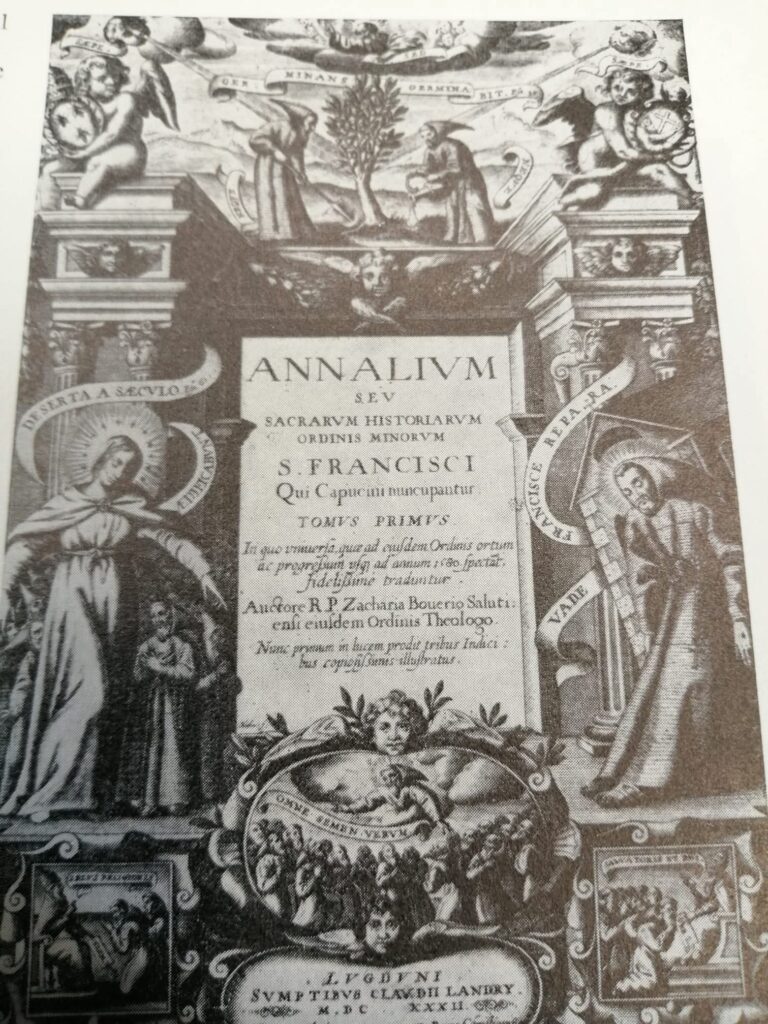
In our region, the presence of the Capuchin Friars is well known and has shaped the ecclesiastical, religious, and civic history of the area for centuries. But who, first of all, are the Capuchins?
Beyond the easily recognisable topographical references (at least in Gubbio), the name refers to members of the Order of Friars Minor Capuchin—one of the three mendicant branches of the Franciscan family, which includes the Capuchins, the Friars Minor, and the Conventuals, while excluding the Tertiaries, who possess their own distinctive characteristics.
The Order of Capuchin Friars was founded around 1525 through the initiative of Matteo da Bascio (1495–1552), a Franciscan friar from Pennabilli. Motivated by a deep desire for radical reform, Matteo was first given shelter by the Camaldolese monks before receiving from Pope Clement VII the papal bull Religionis zelus, which granted official permission for the Capuchins to preach. This marked the beginning of a determined effort to restore the original spirit of the Franciscan Rule.
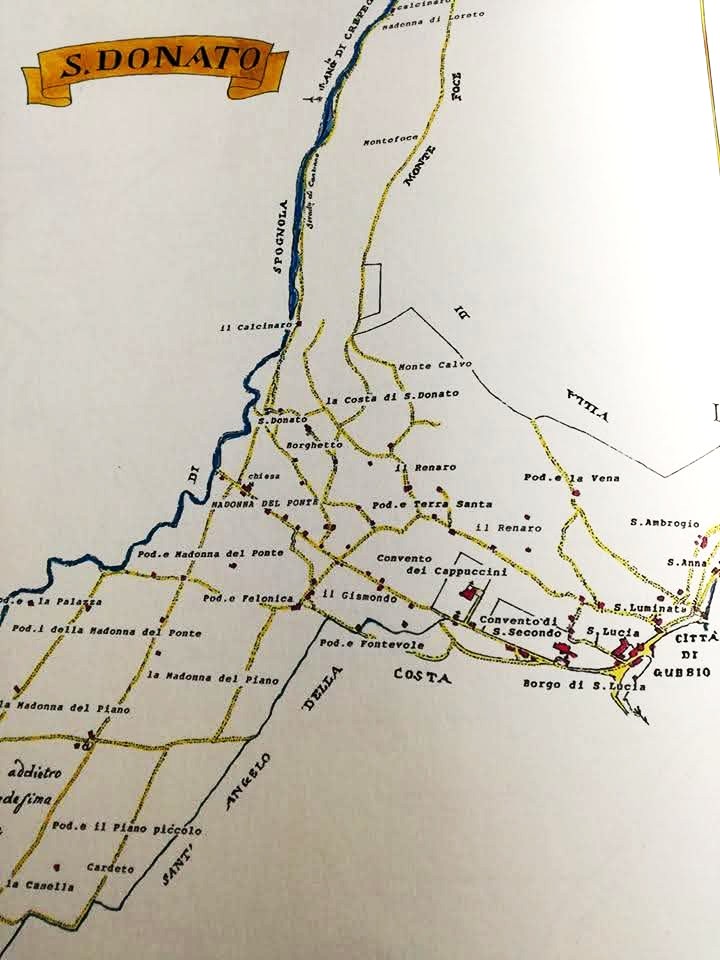
On 15 April 1529, the first General Chapter of the Order was held near Fabriano. From there, the new movement spread towards Monte Cucco and Gubbio. In the “City of the Five Hills”, the foundation stone of the Church of Saint Nicholas of Bari was laid in 1631 by Bishop Ulderico di Carpegna. This act was followed, in 1634, by the purchase of the land on which the monastery would be built, beneath Monte Calvo (also known as Foce), in the ancient Villa of San Donato.
On 16 February 1640, twenty-two Capuchin friars took up residence there, and on 31 May 1655, Bishop Averardo Sperelli consecrated the new church, dedicating it to the Immaculate Conception of the Virgin Mary.
With the unification of Italy and the subsequent suppression of religious orders in 1866–67, the Capuchins were forced to abandon the monastery. Ownership passed to the Municipality of Gubbio, which, in 1878, established an Agricultural School on the site. From that point onward, the complex underwent various transformations, eventually becoming the modern and renowned hospitality establishment that exists today.
The Capuchin presence in the Monte Cucco area, however, predates that of Gubbio. As early as 1526, two companions of the founder Matteo da Bascio—Lodovico and Raffaele Tenaglia from Fossombrone—were hosted by the Benedictines at the hermitage on Monte Cucco. In this mountainous and Apennine region, the Franciscan friars adopted the custom of wearing beards and chose various sites for settlement, extending as far as the present-day province of Macerata. Among these were “L’Acquarella” on Monte San Vicino and, according to a local legend (not yet confirmed by documentary evidence), the so-called “Poggio dei Cappuccini” at the Scheggia Pass.