NEWS
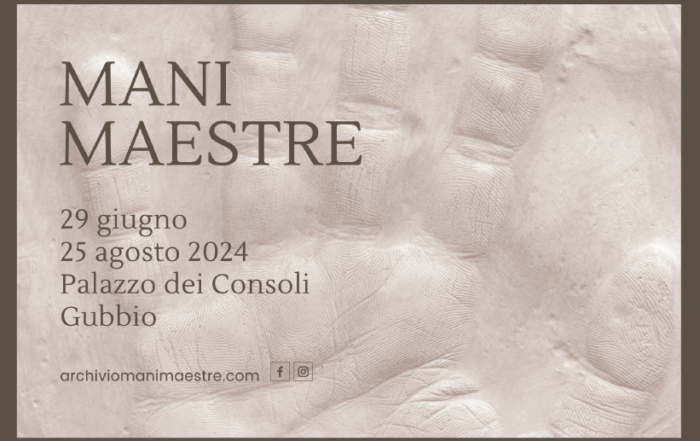
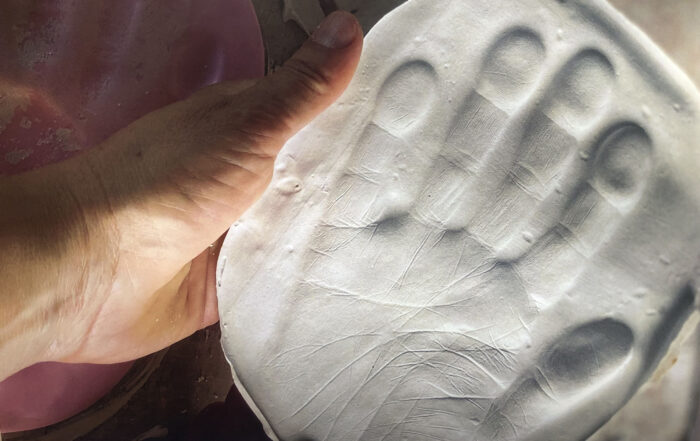
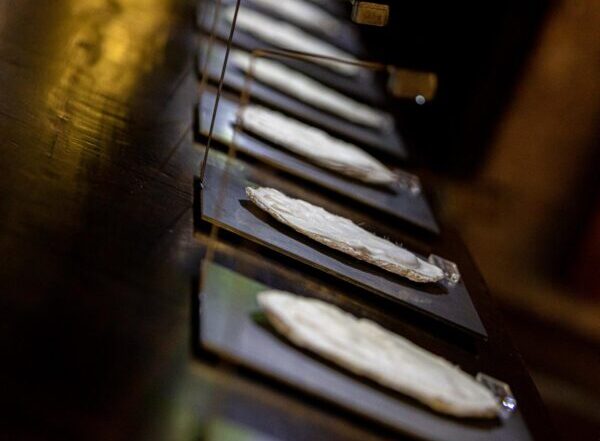
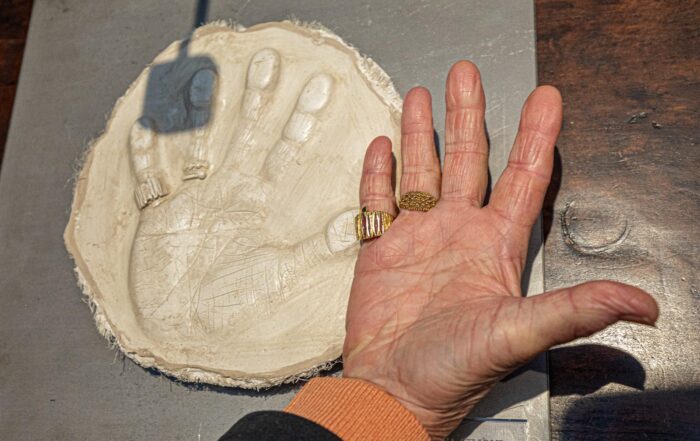
Master Hands, 29th June – 25th August 2024, Palazzo dei Consoli
Temporary Exhibition MASTER HANDS From the discovery of a series of stucco artifacts from the mid-18th century, on the edges of which the fingerprints of the artisans who created them are still recognizable, the idea [...]
“IMAGINA”, BIENNALE DI GUBBIO 2023: CONTEMPORARY ART
Gubbio (Pg) will host, starting from October 15 2023, IMAGINA, a large and elaborate exhibition of contemporary art that crosses and involves the entire city. Inauguration on October 15th, 12:00 PM, at Palazzo Pretorio, Piazza [...]
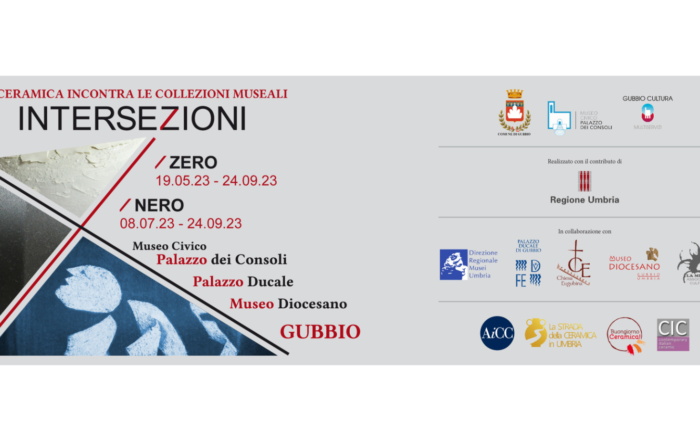
Intersezioni: Ceramics meets museum collections
TEMPORARY EXHIBITION
THE MUSEUM
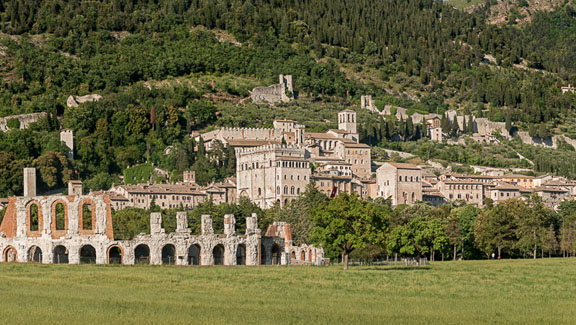
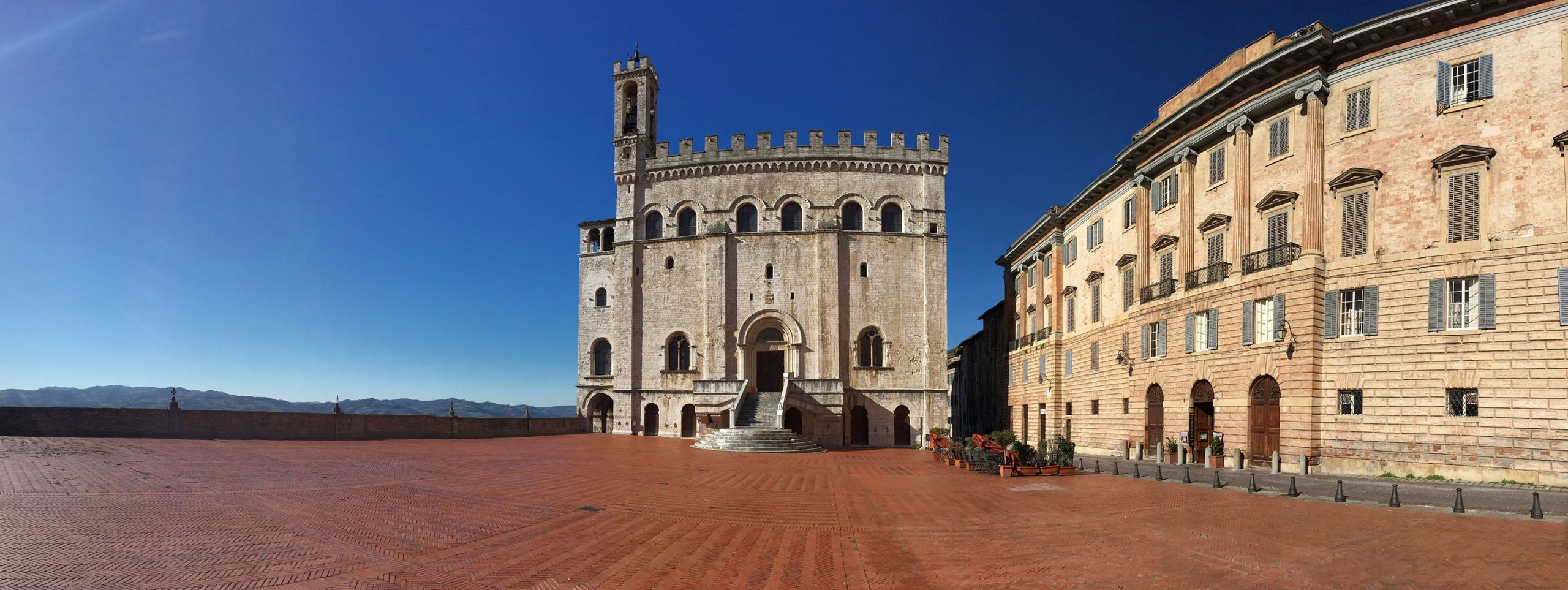
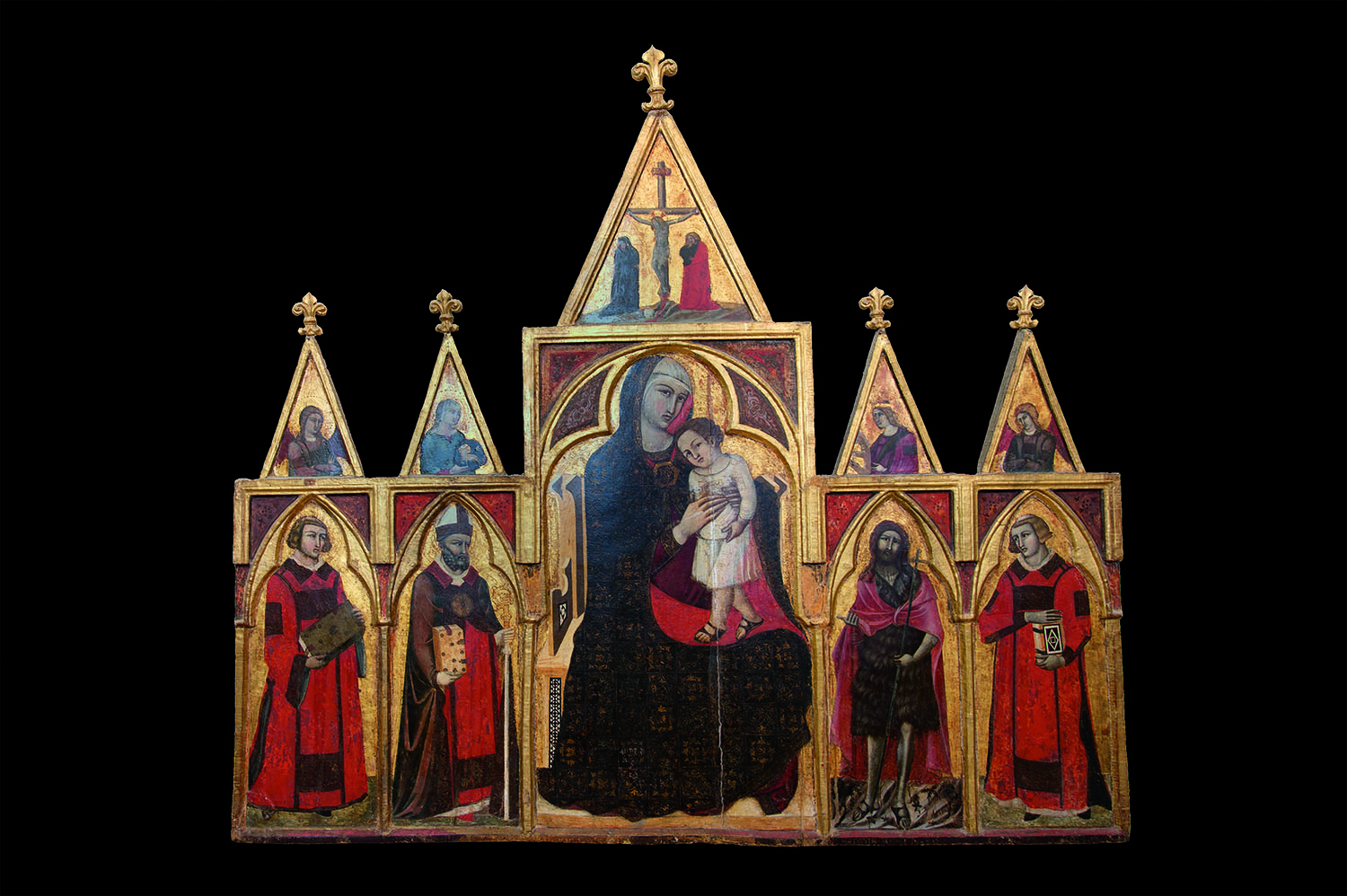
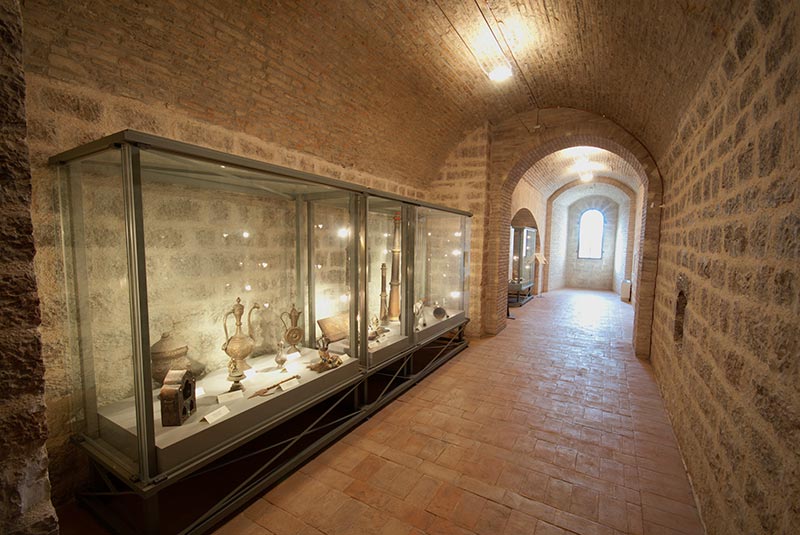
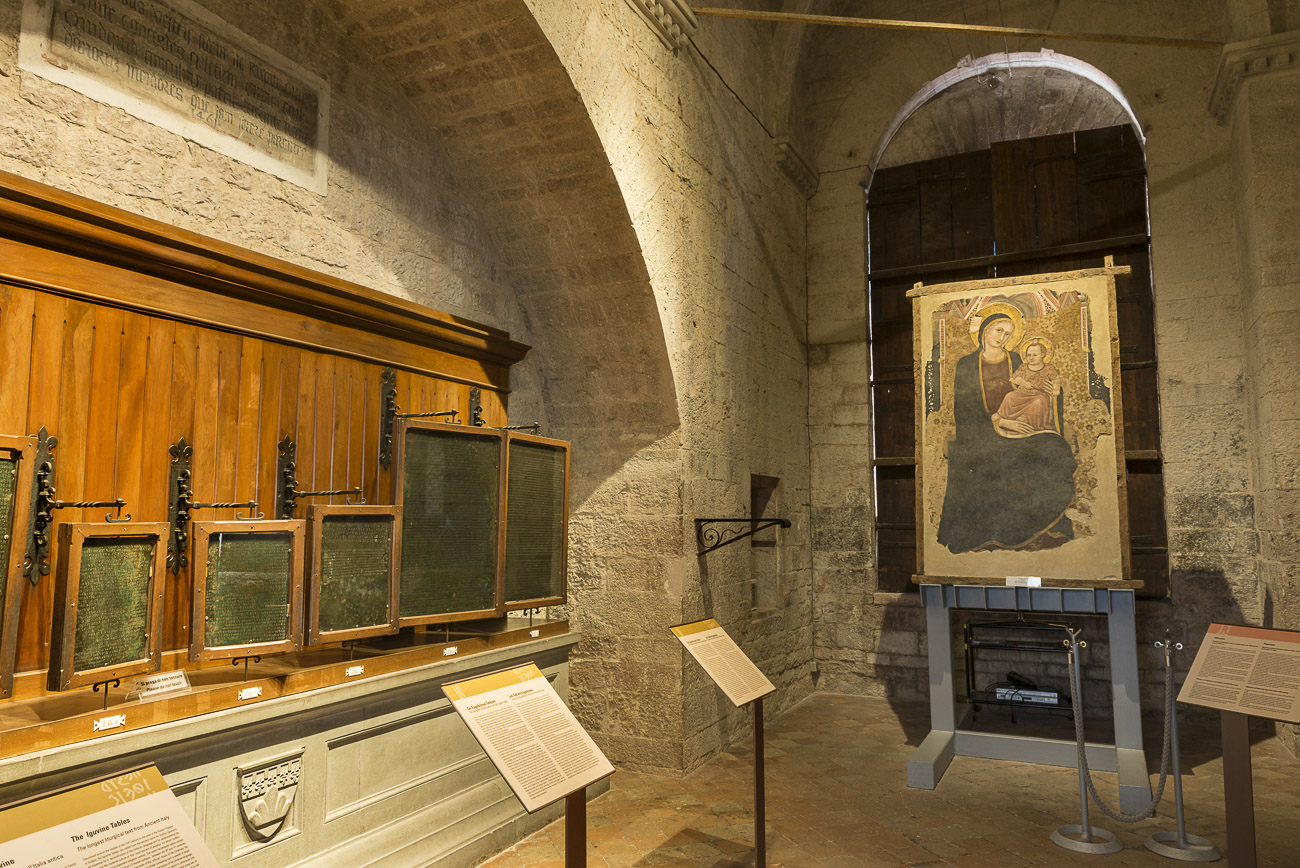
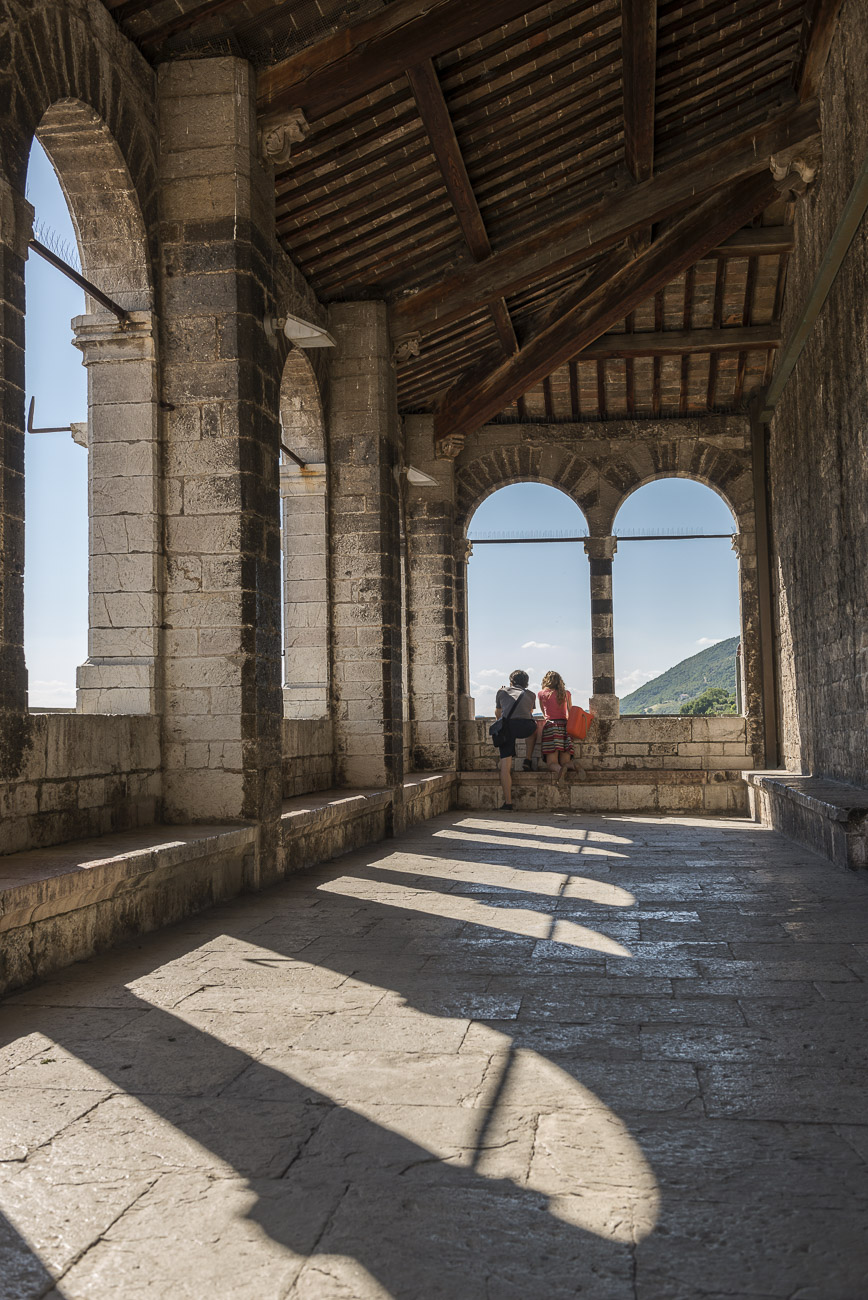
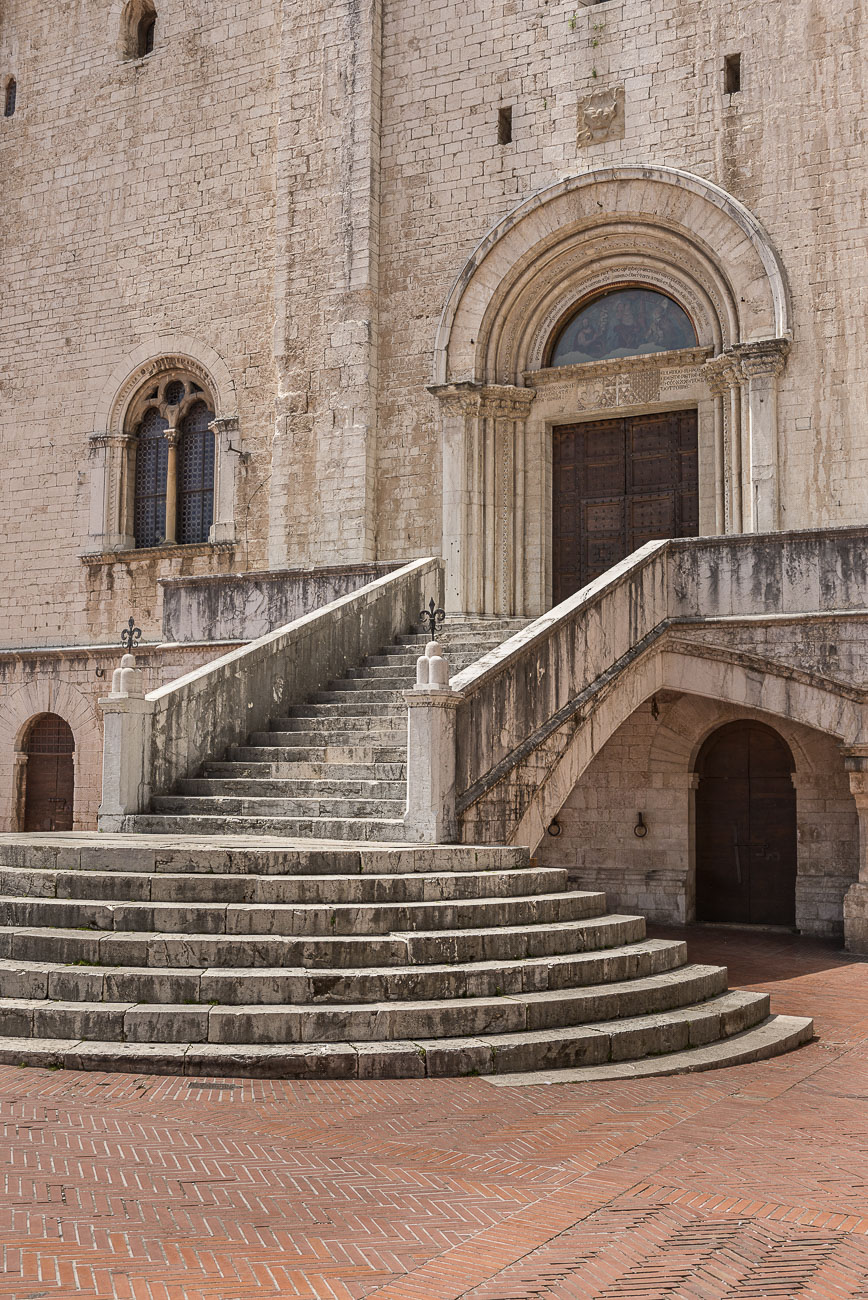
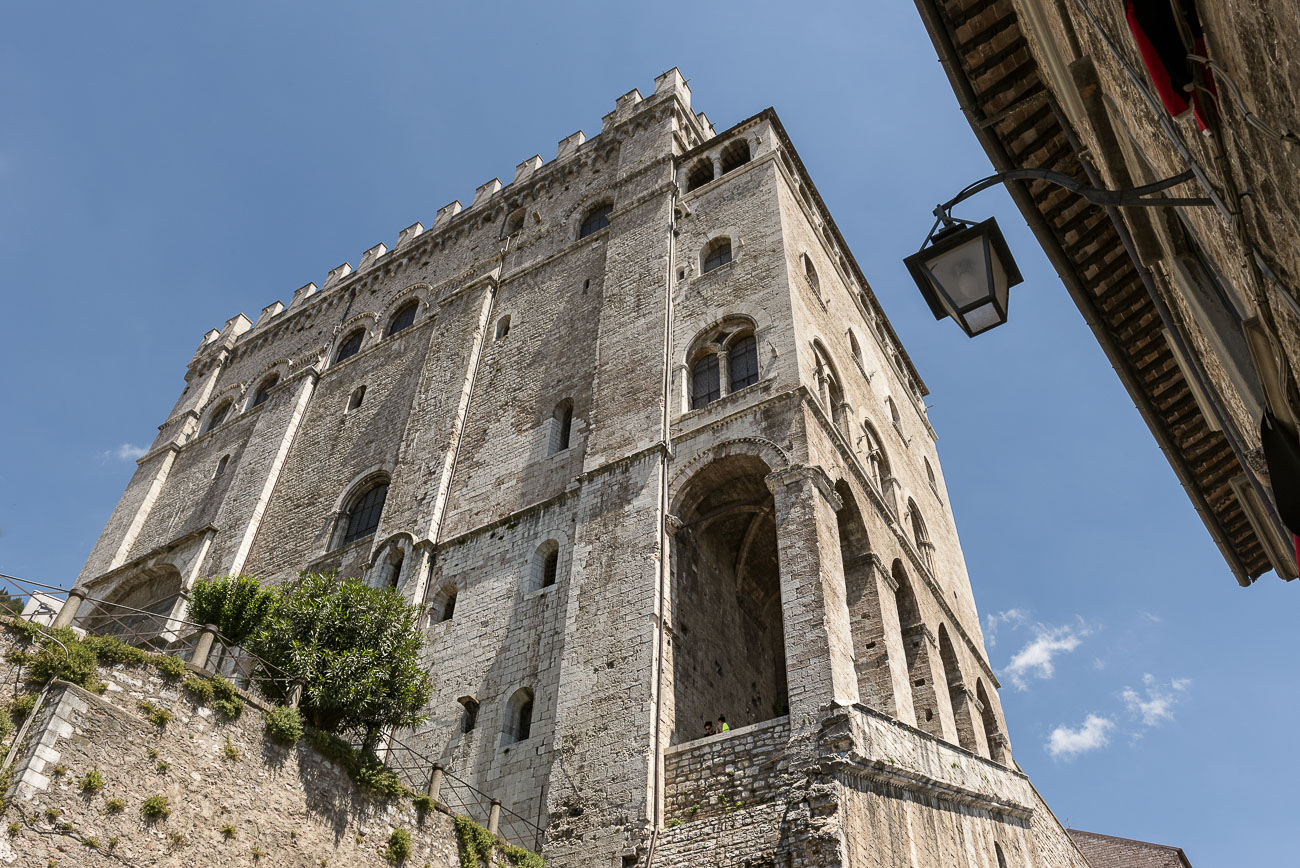
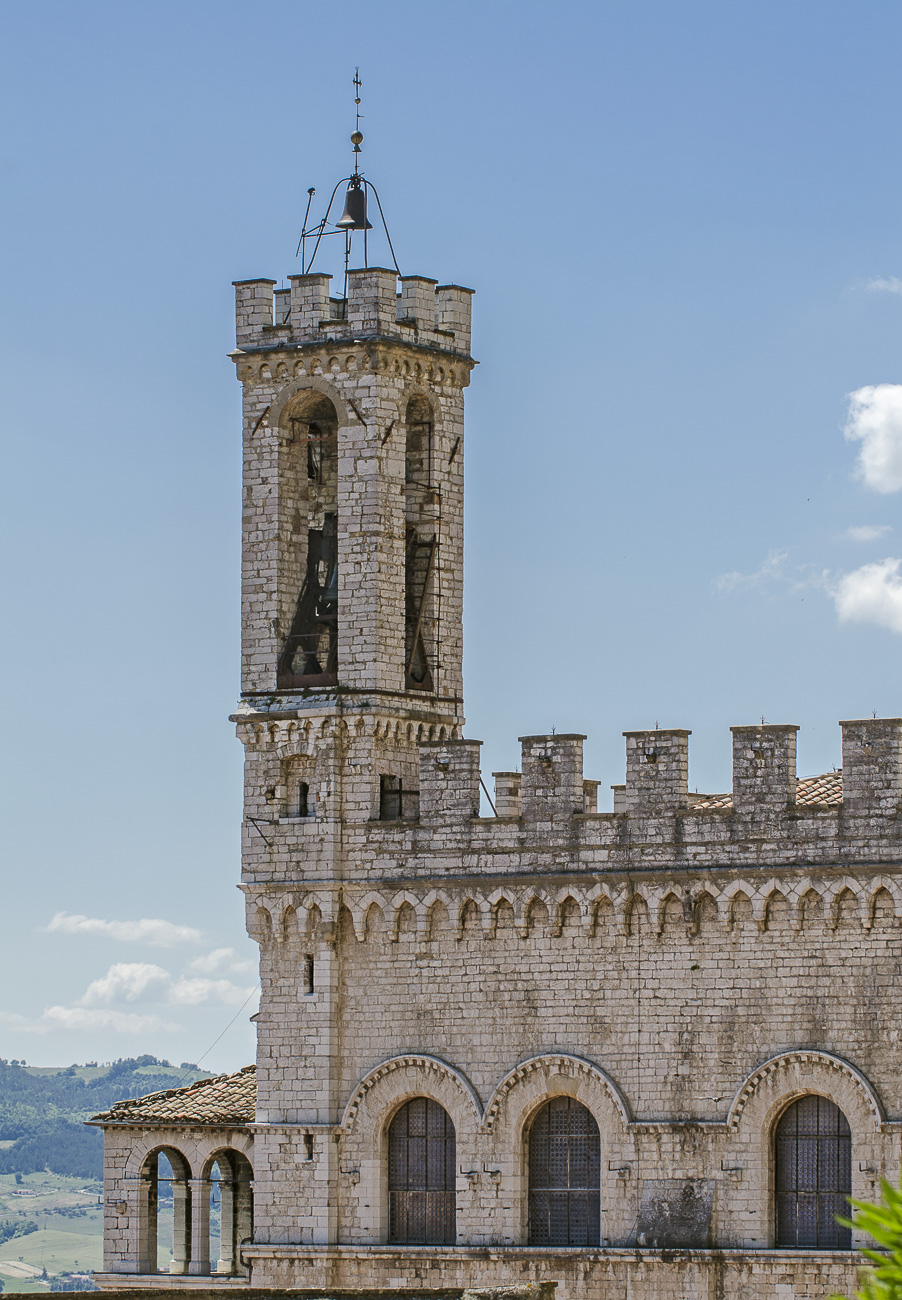
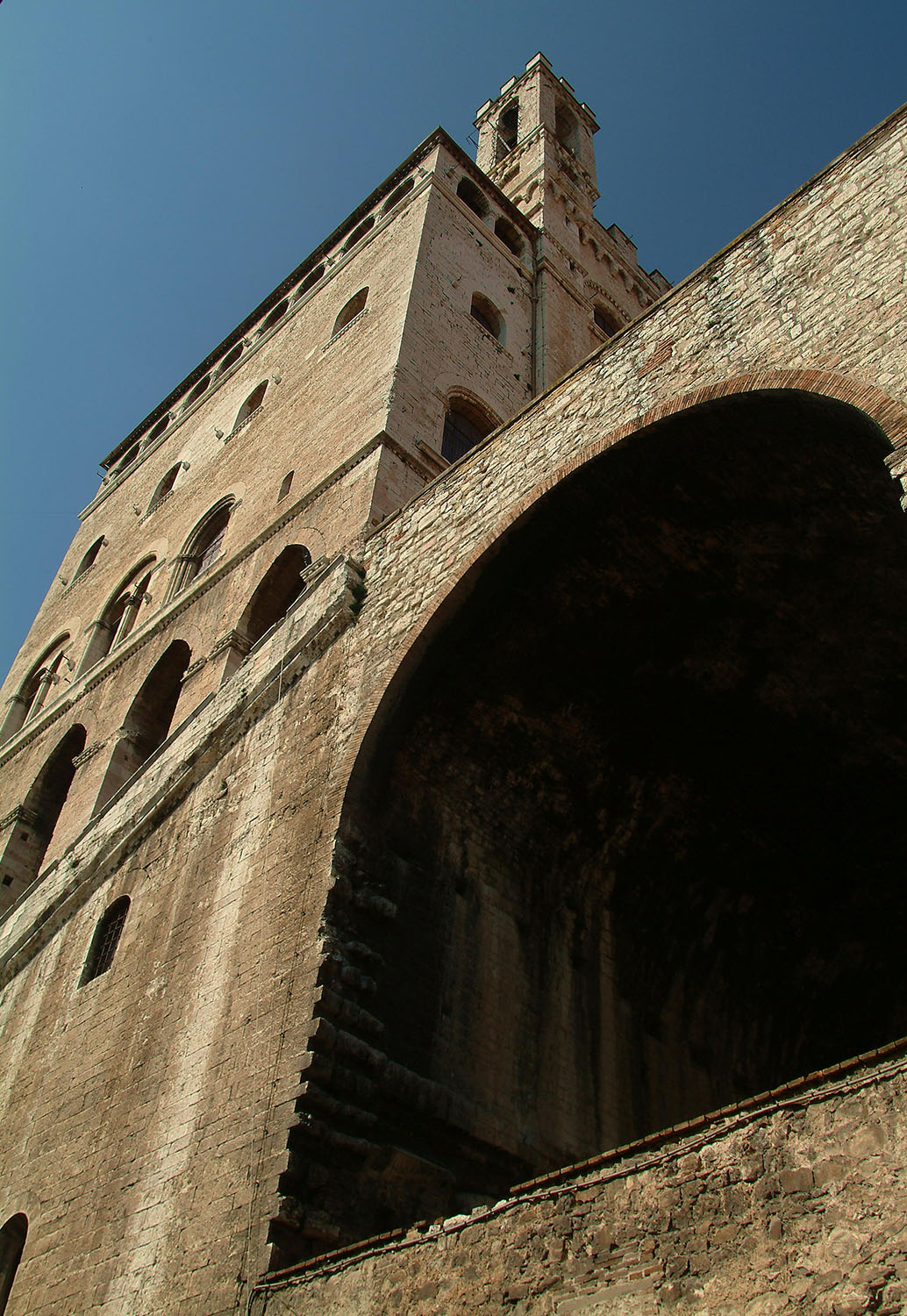
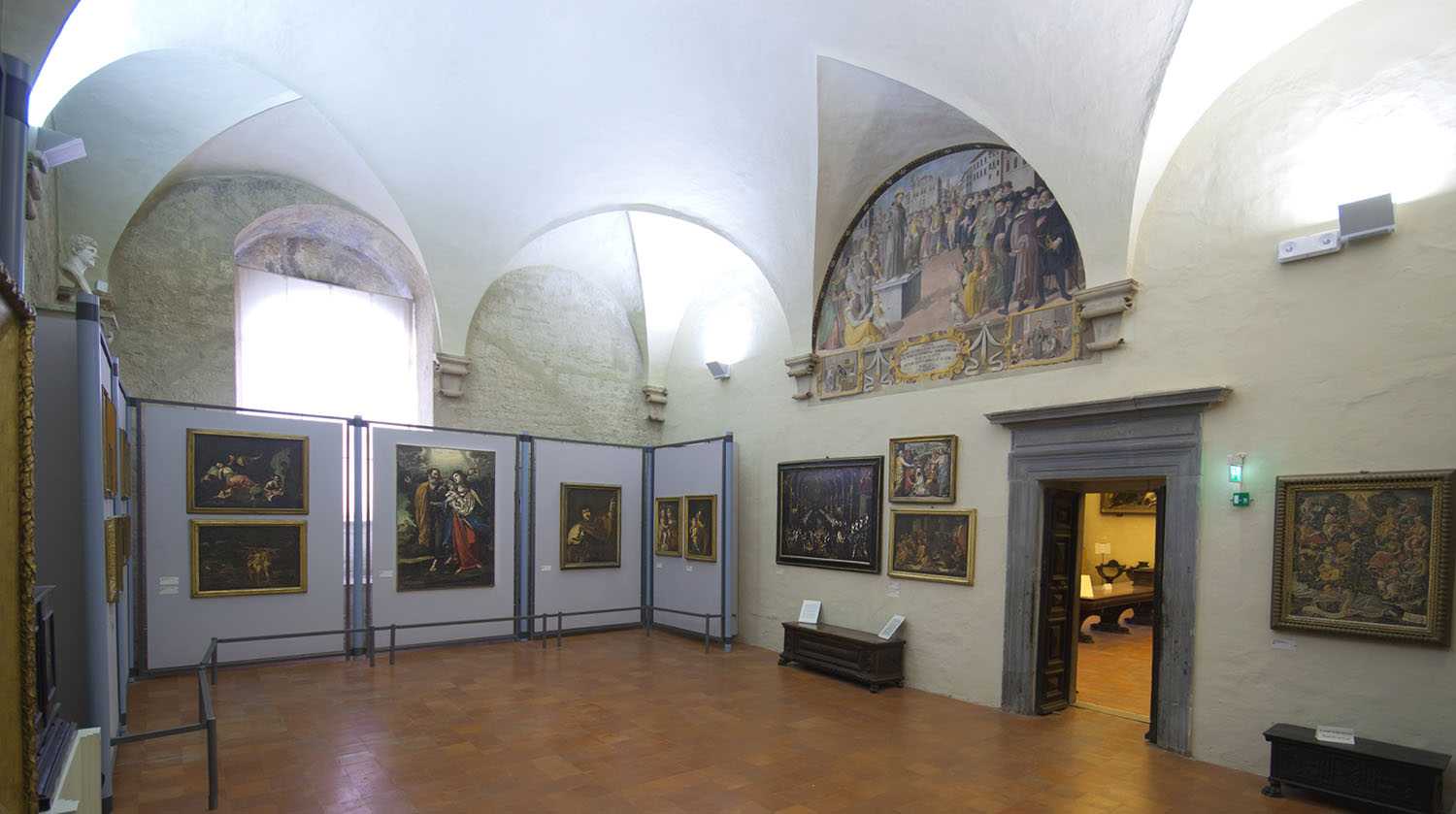
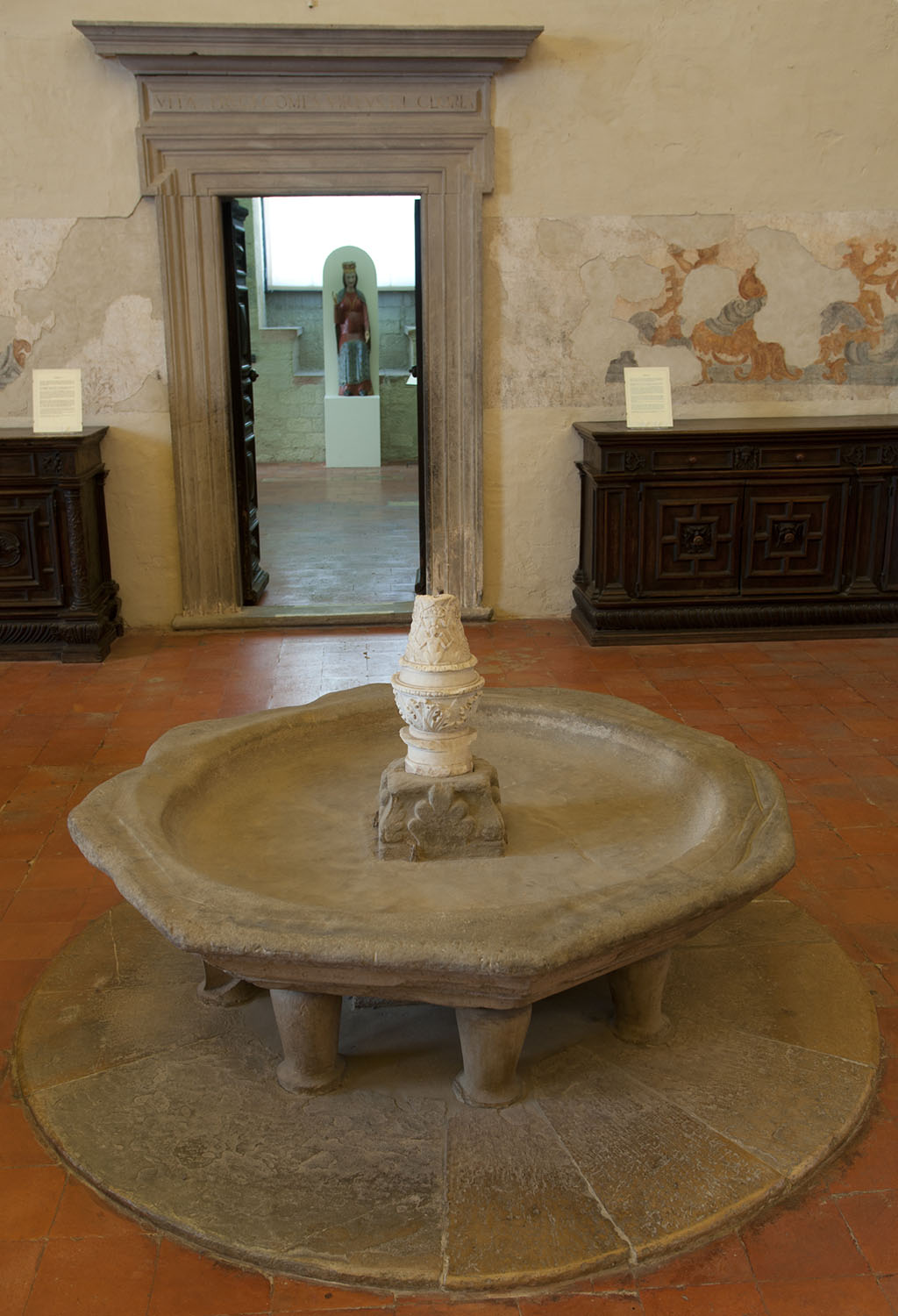
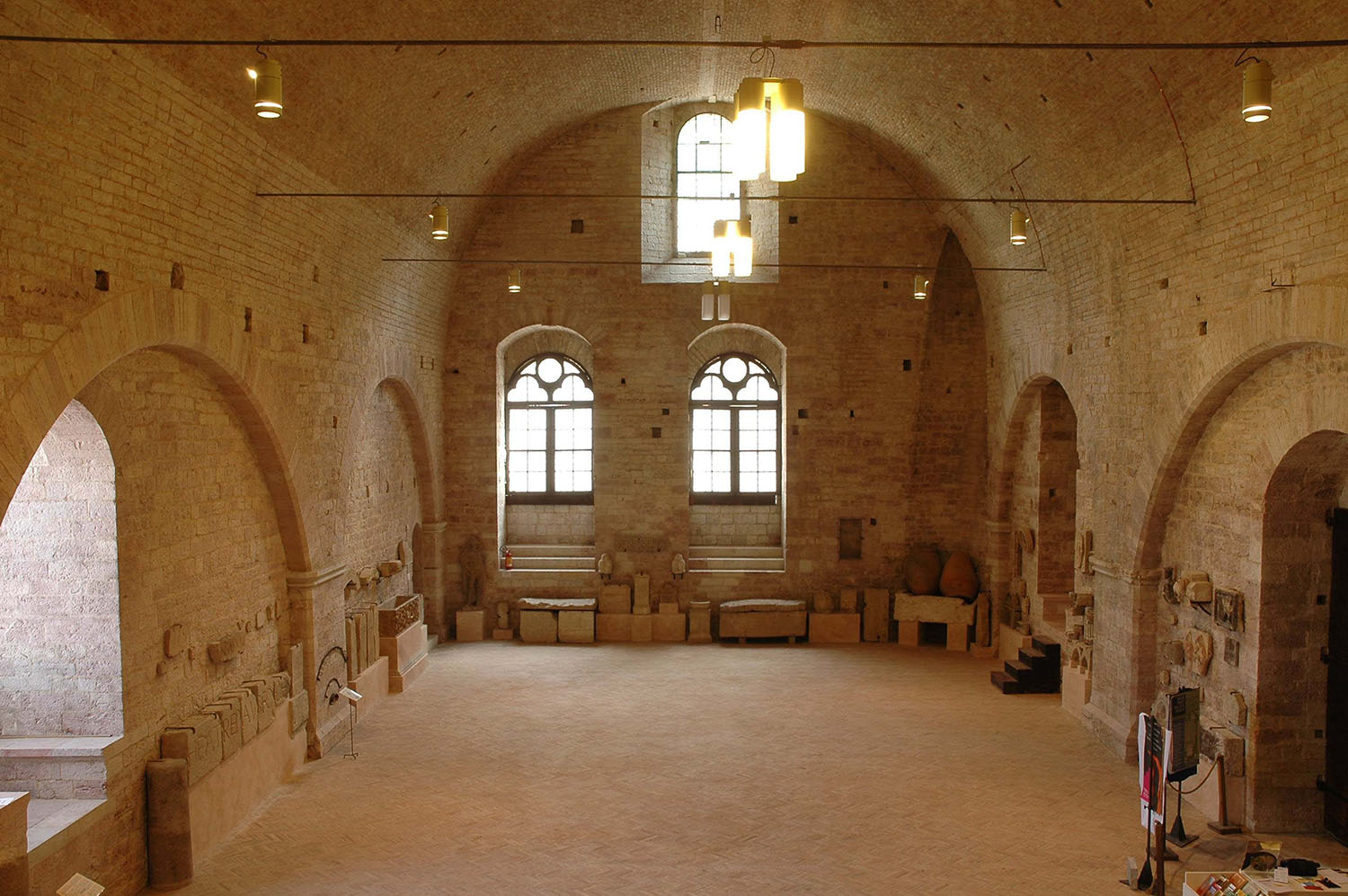
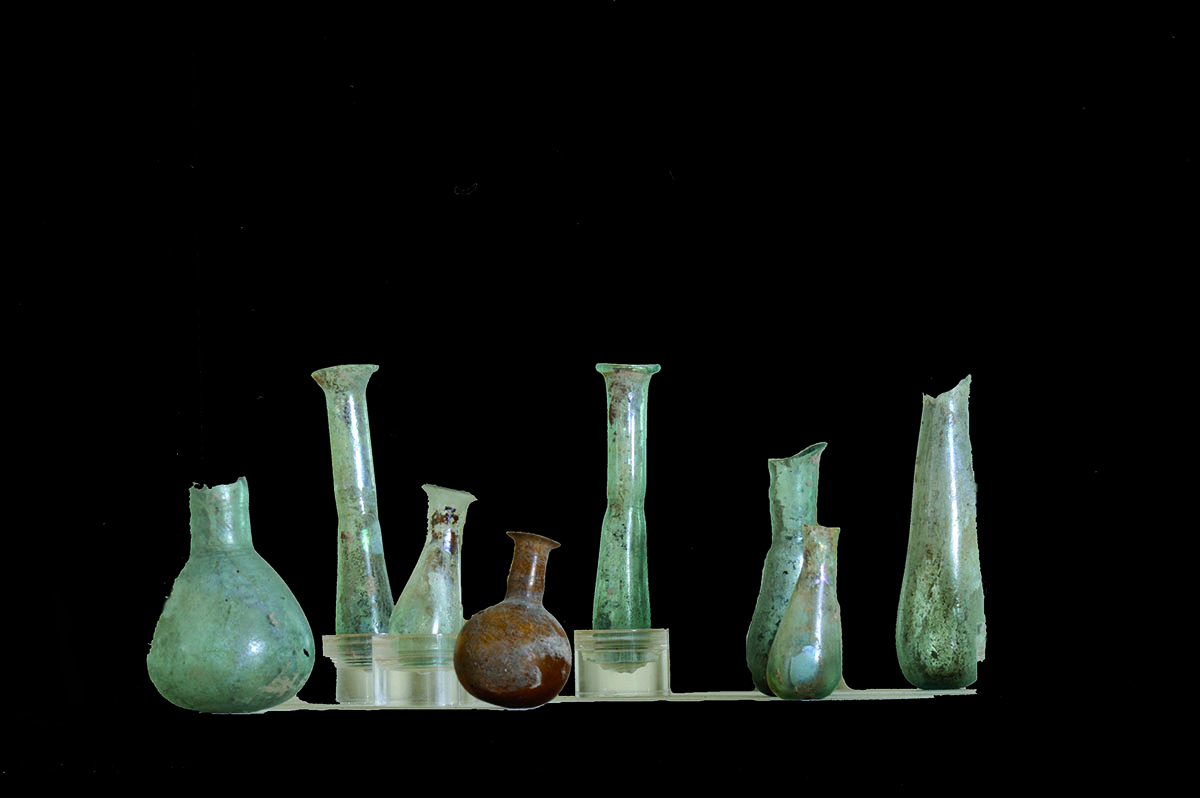
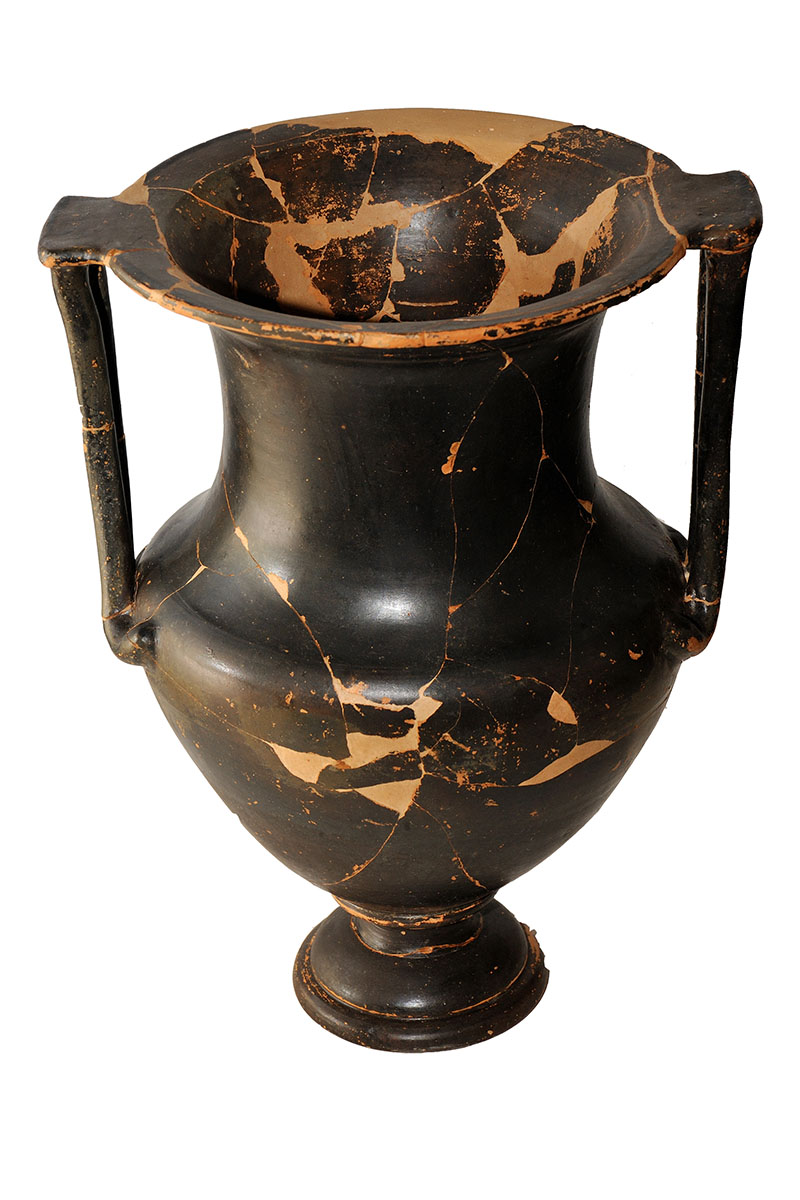
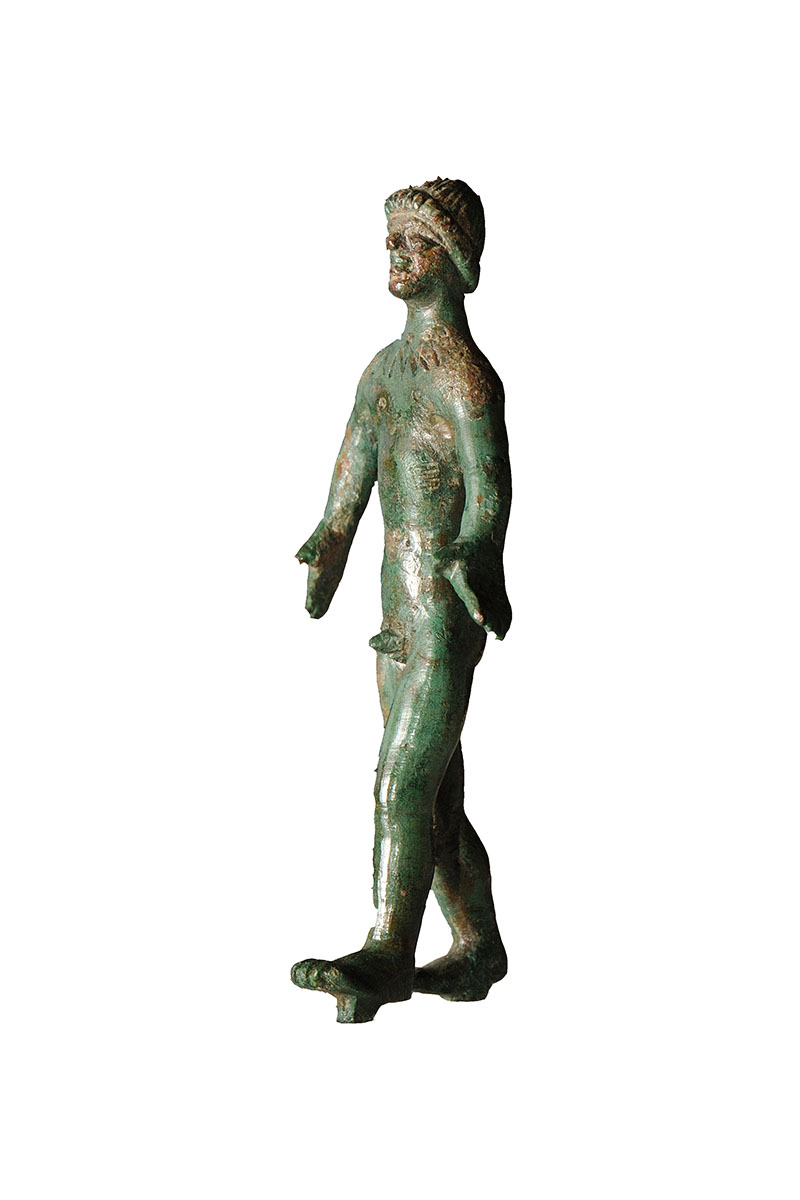
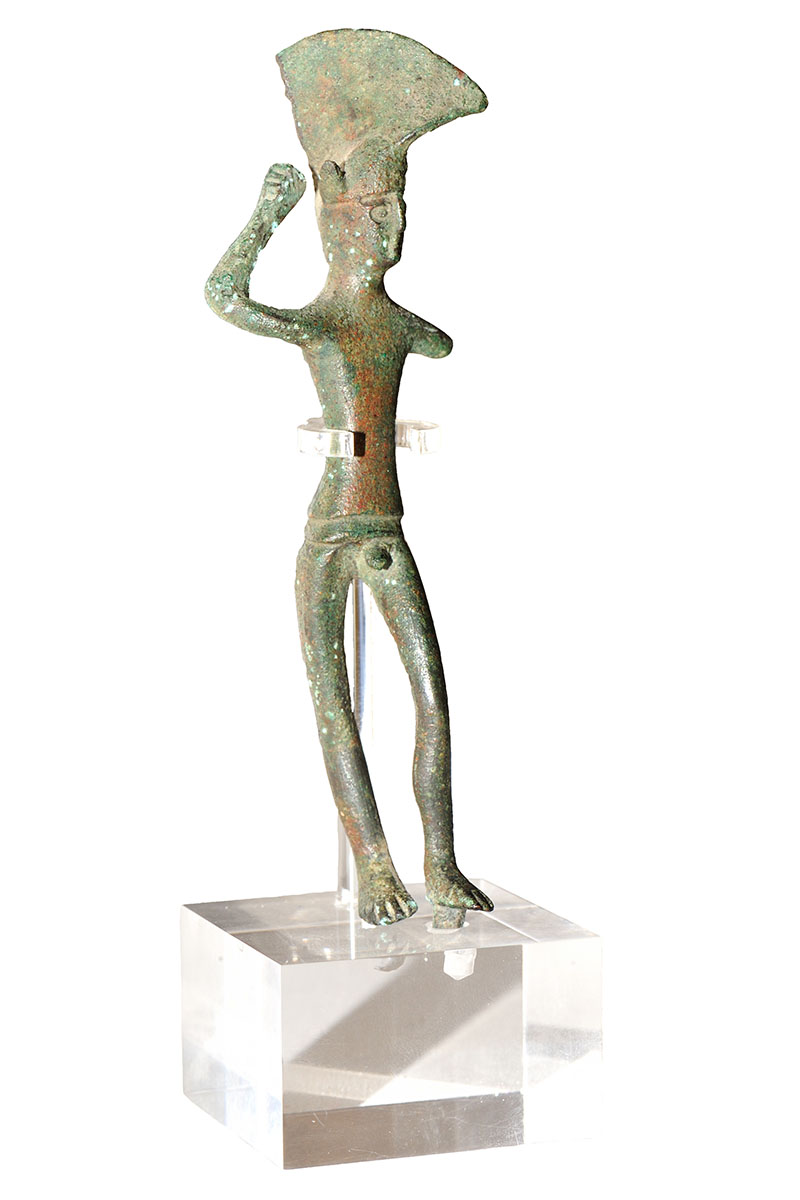
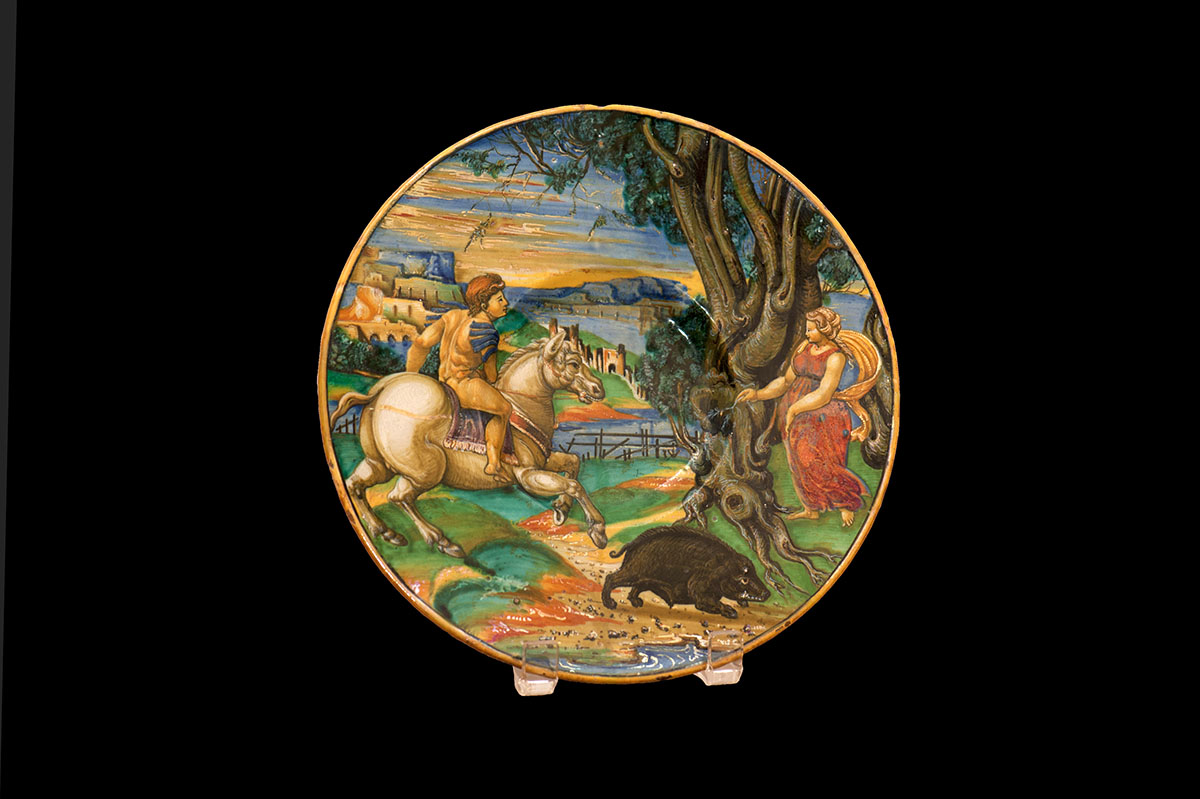
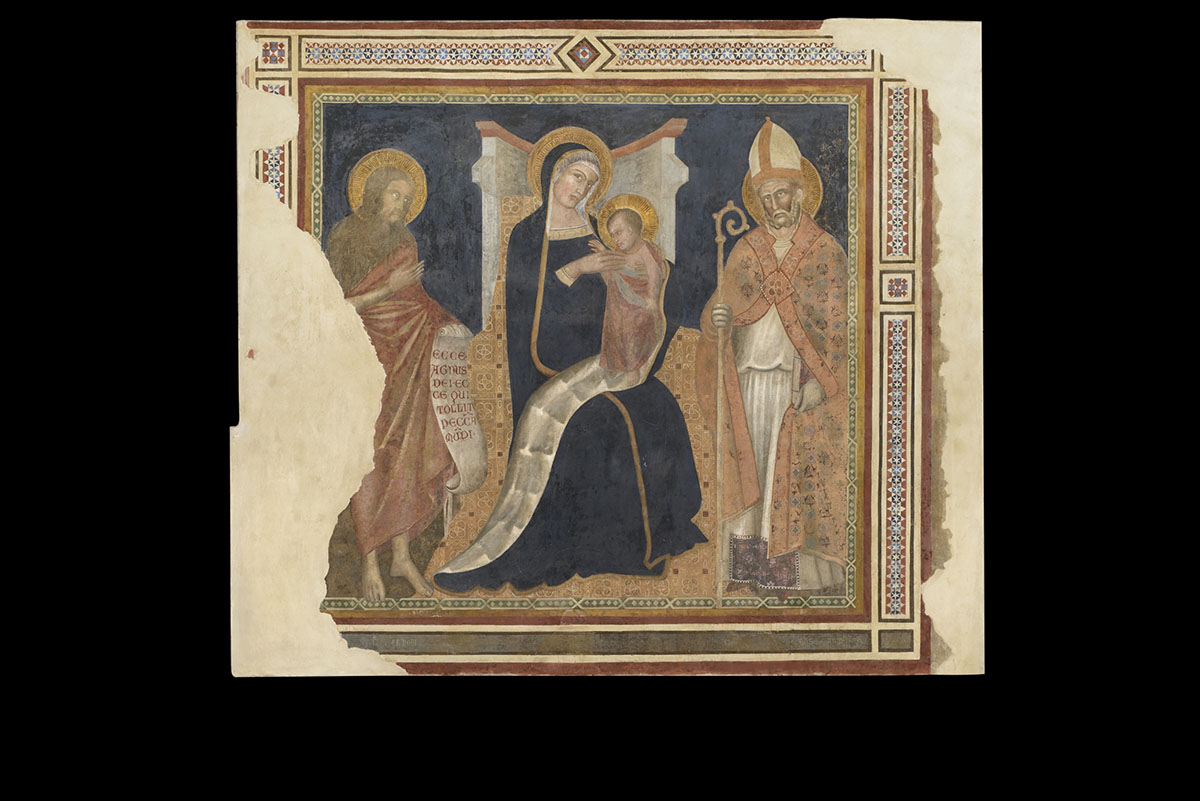
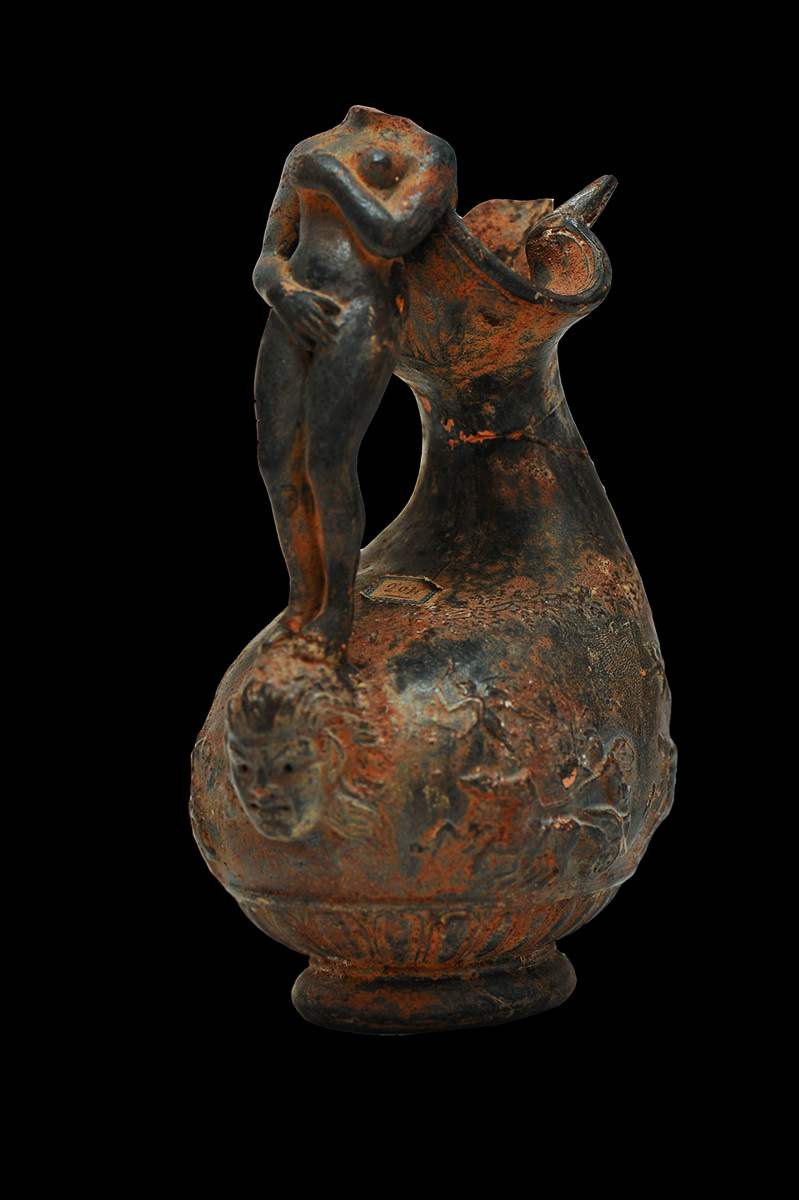
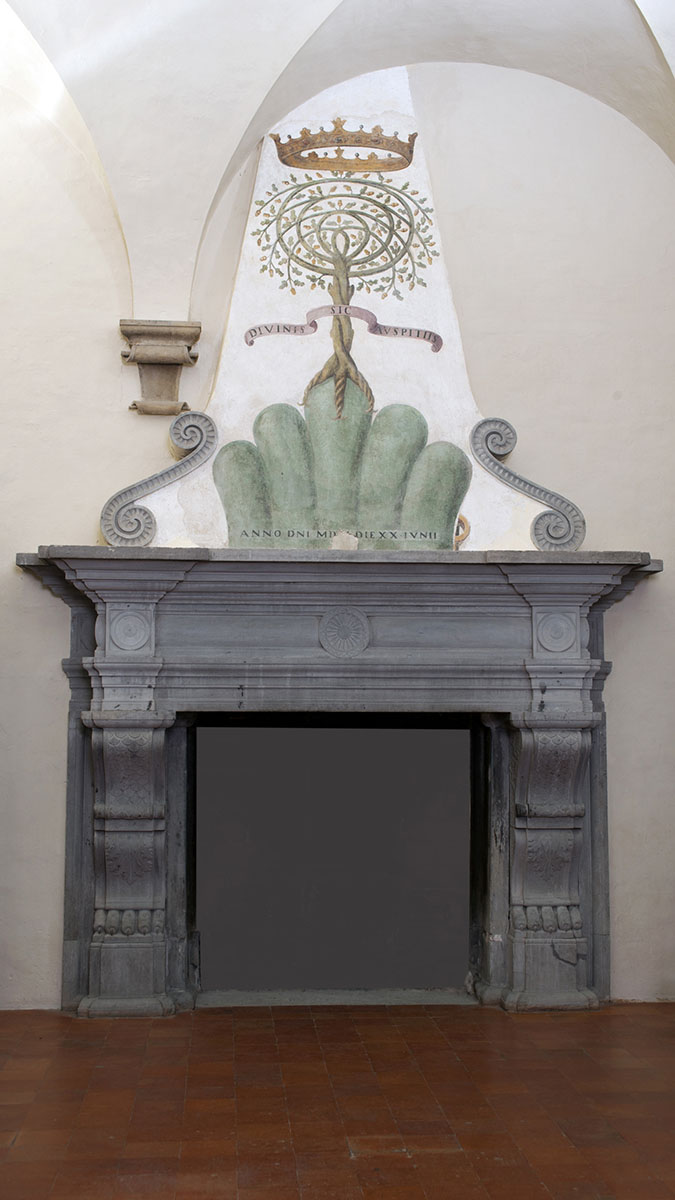
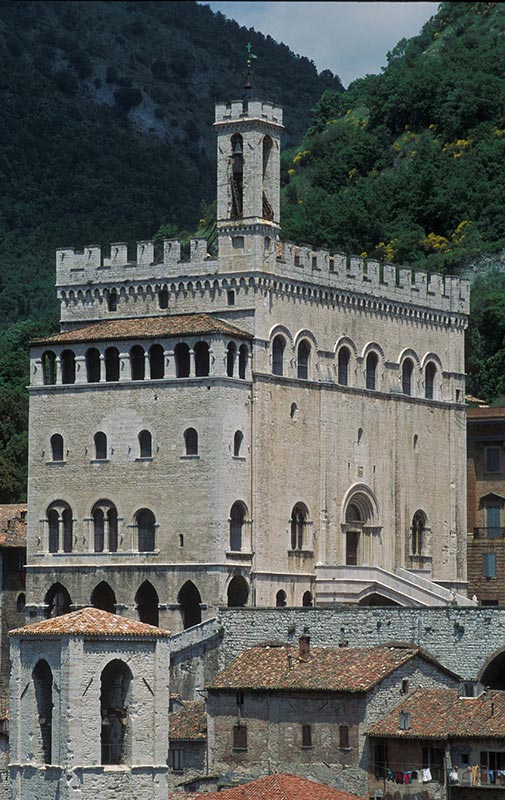
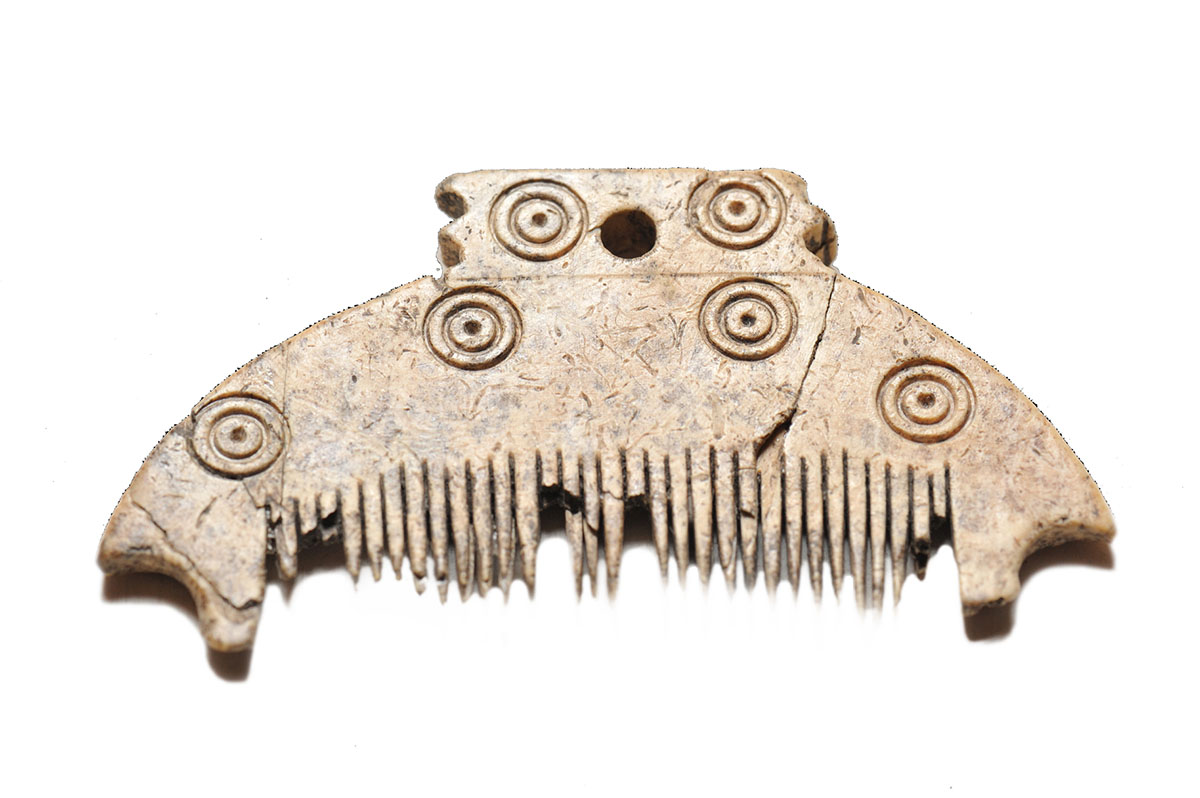
The Palazzo dei Consoli, originally known as Palazzo del Popolo, together with Piazza Grande and the Palazzo del Podestà form one of the most audacious architectural complexes ever designed in the Middle Ages. Occupying a central position with regard to the four civic districts and designed by the architect, Angelo da Orvieto, this ancient seat of government bears witness to the ambitious nature of Gubbio’s political and institutional objectives at the beginning of the 14th century. Built in Gothic style, the Palazzo dominates the town from its height of more than 60 metres with its bell tower and panoramic loggia, and opens up onto the suspended square via its fan-shaped flight of steps. The interior is highly atmospheric, particularly, the barrel-vaulted Sala dell’Arengo, or Great hall, where the General Council of the People convened, the Palatine Chapel and the piano nobile, where the Consuls performed their administrative functions. This, the main floor, is embellished by frescoes, carvings and even fountains, which were one of the greatest wonders of the town, whose 14th century public aqueduct is an impressive example of hydraulic engineering. The medieval water closets in the secret passageway and the plumbing system with running water confirm the advanced level of technology already attained by the artisans of Gubbio. Since 1909 the Palazzo dei Consoli has housed the Civic Museum whose collections illustrate the history and culture of Gubbio and its community from prehistoric times to the 20th century. Of major importance are the internationally renowned Iguvine Tables, the seven sheets of bronze inscribed with the longest and most significant ritual text from Ancient Italy. They were composed at different times between the 3rd–1st centuries BCE using two different alphabets, the Etruscan and Latin scripts, and they are fundamental to our knowledge of Ancient Umbrian society, its material culture and its language. Gubbio, or Iguvium, as it was then known, was one of the most important religious centres of that society. The bronze inscriptions represent the main feature of one of the richest archaeological collections in the Region which includes exhibits dating from the Paleolithic Age up until Late Antiquity. In the Lapidario, (the epigraphic section of the Museum), the monumental celebratory and funerary inscriptions on display, together with a number of sculptures and various fragments of ornamentation and household pottery from Iguvium in the Roman period, are all of great historical value. This section is further enriched by a collection of coins dating from Ancient Umbrian Times to the present day.
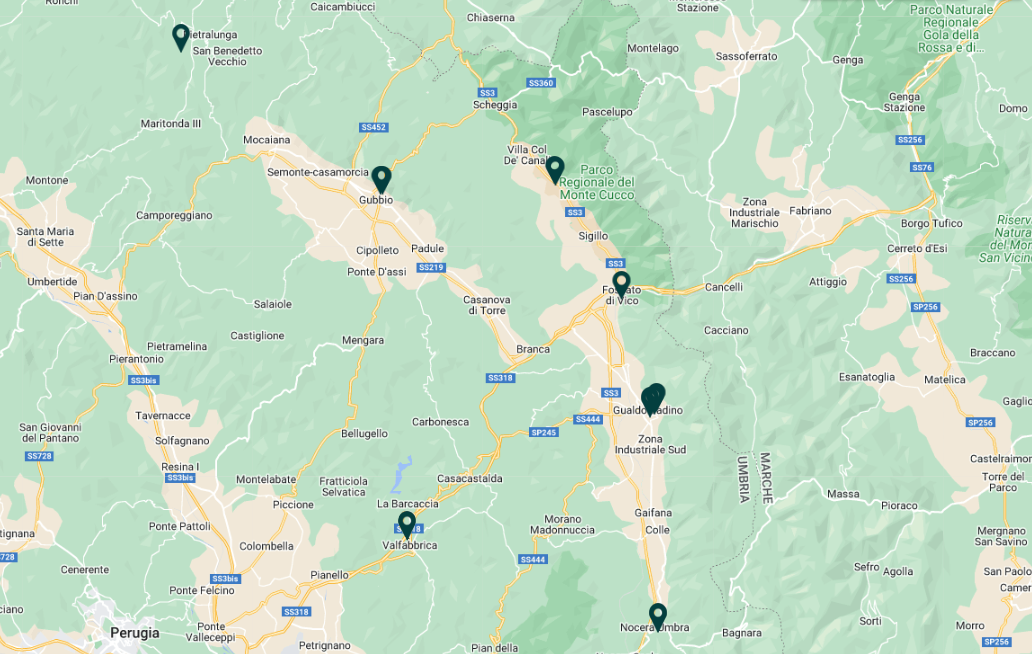
MeTU’s MAP
VIRTUAL TOUR OF THE MUSEUM
THE MUSEUM IN GUBBIO
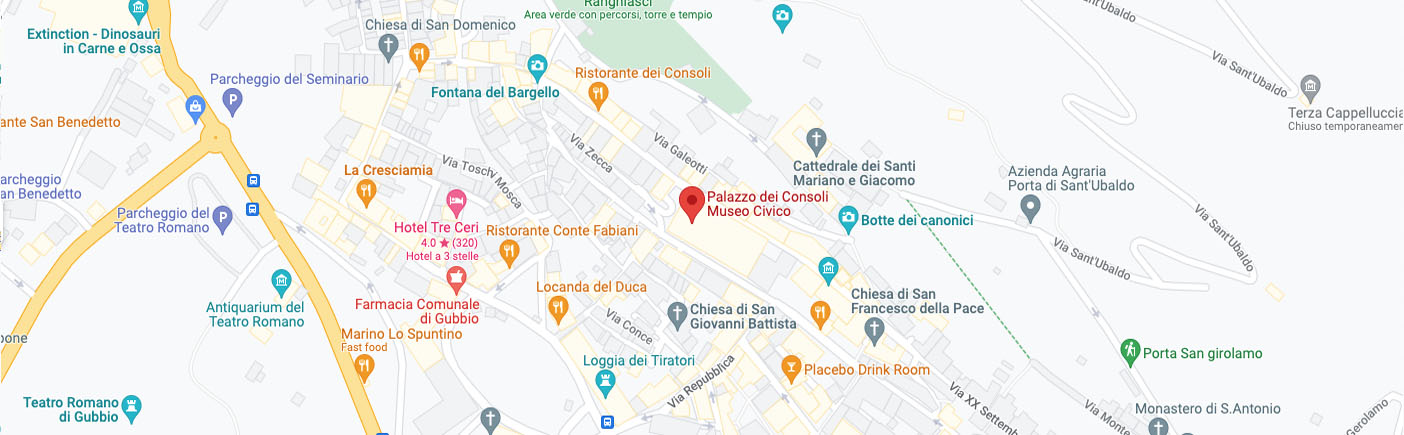
CONTACTS
Museo Civico Palazzo dei Consoli
Piazza Grande – Gubbio (PG)
075 927 4298
GALLERY





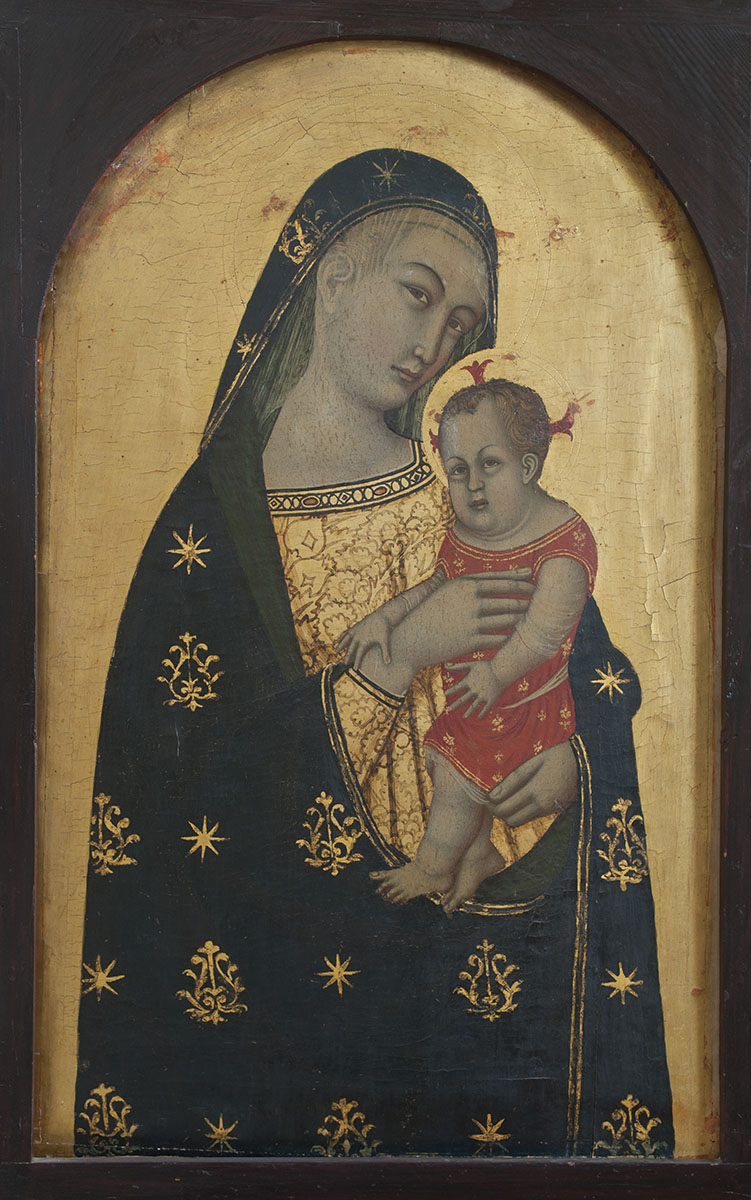

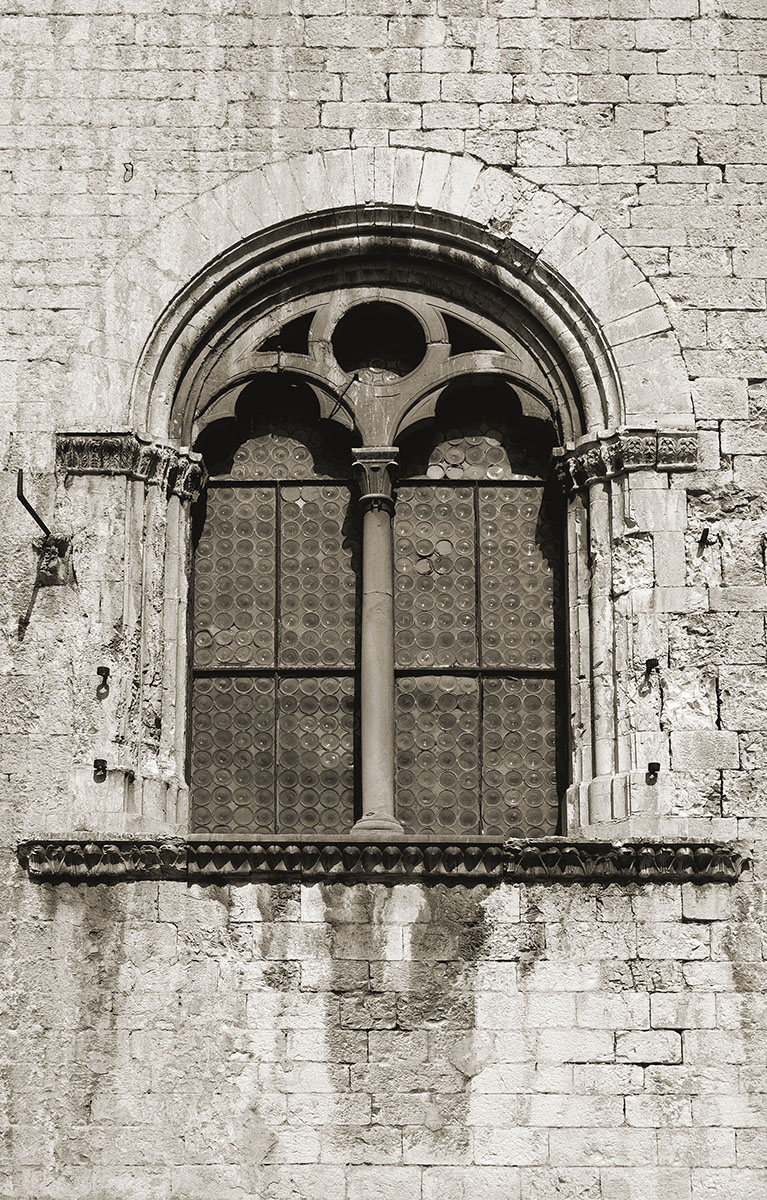
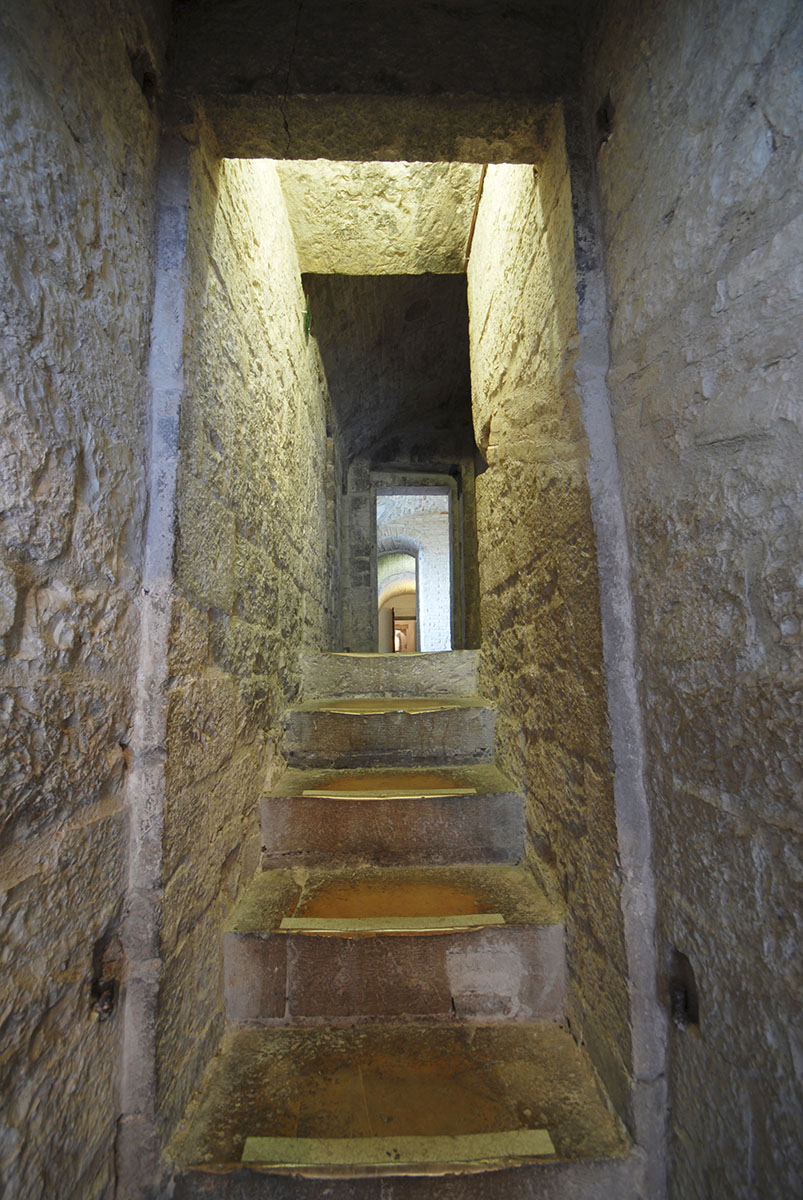
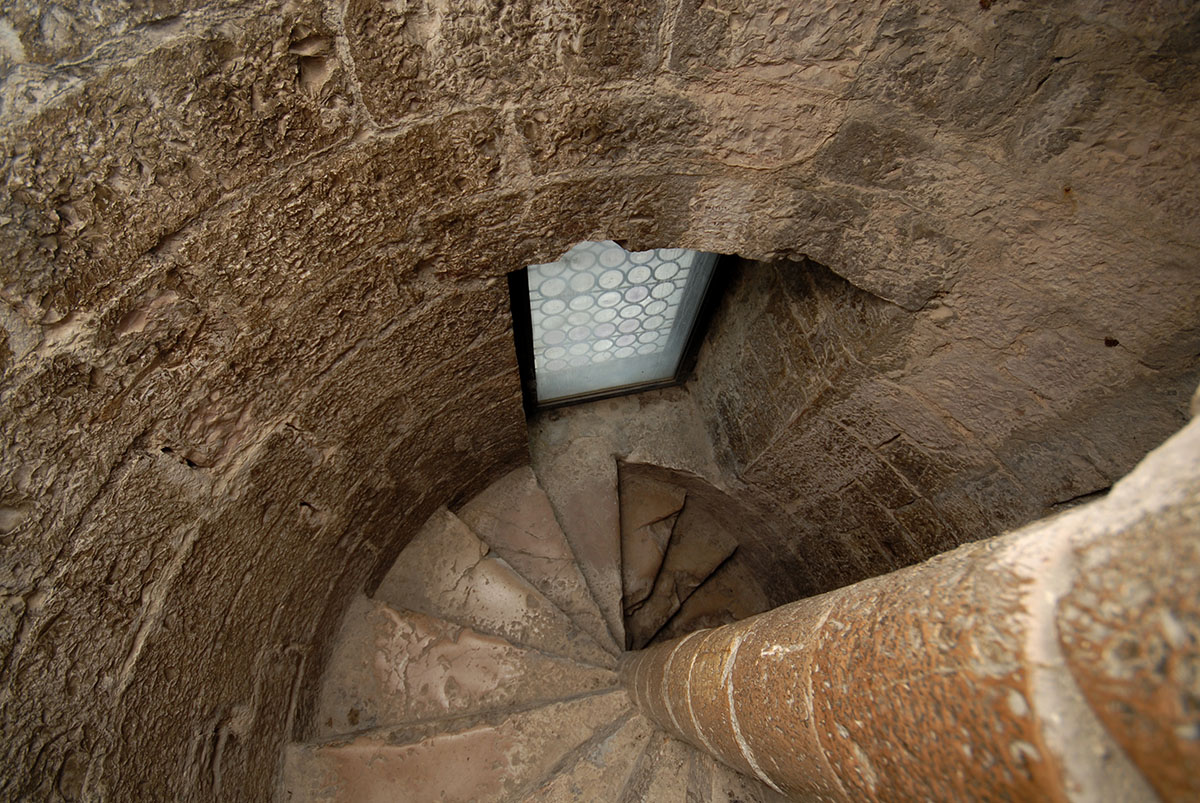

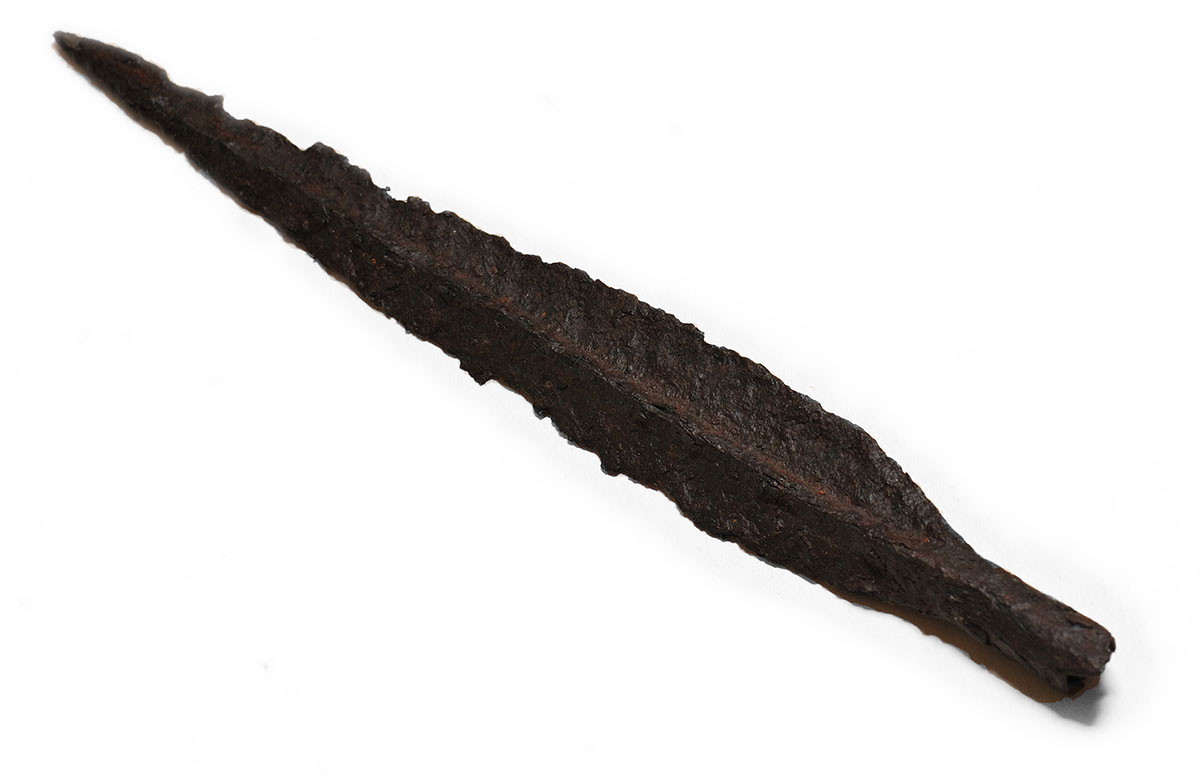

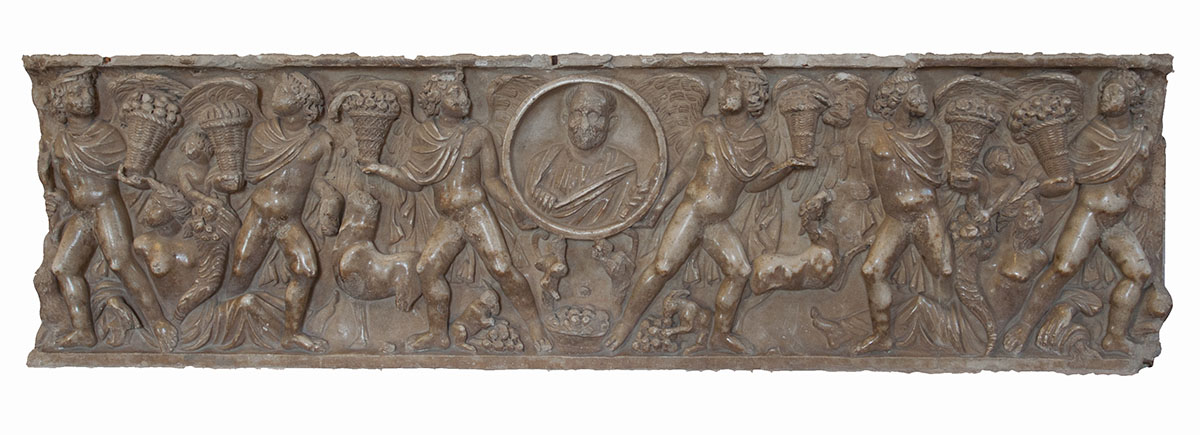


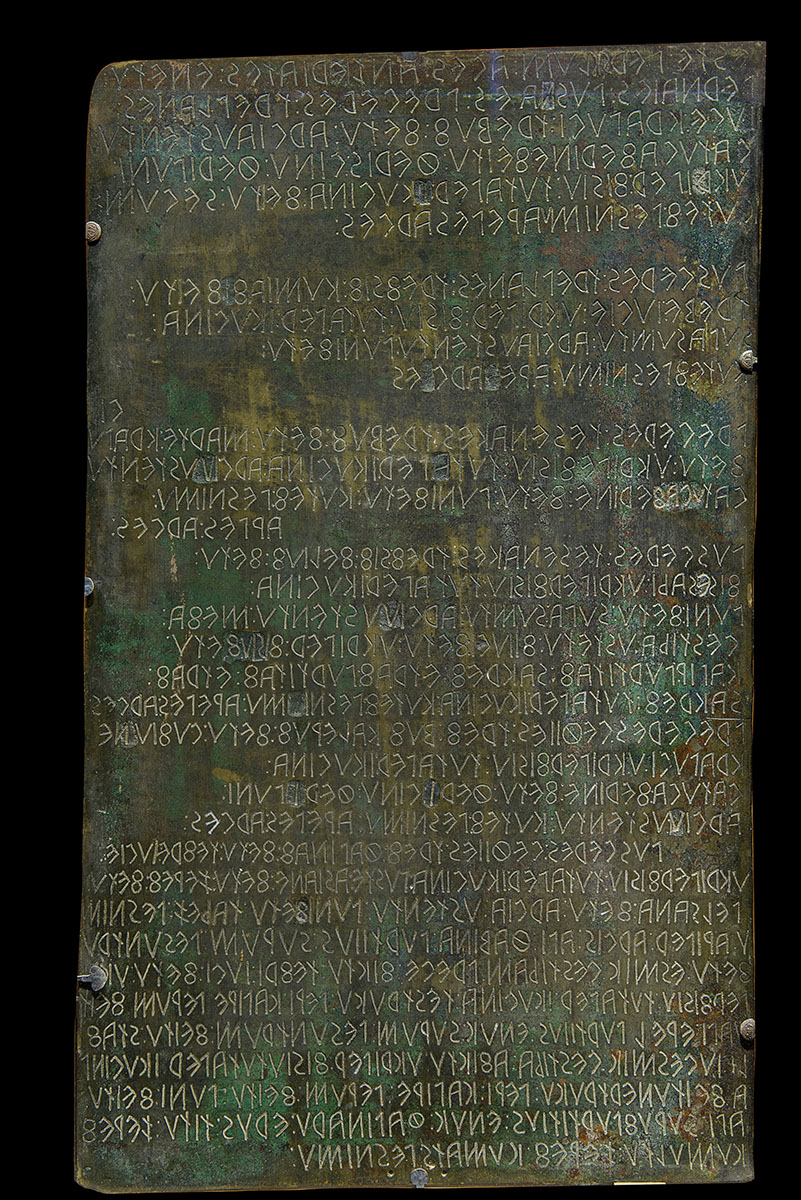


November/ March : 10 am – 1 pm / 3.00 pm – 6.00 pm
weekends and holidays continuous opening hour: 10 am – 6.00 pm | Closed December 25th and morning of January 1st
April / October : 10 am – 1 pm /3.00 pm – 6.00 pm
weekends and holidays continuous opening hour: 10 am – 6.00 pm | Closed May 13th, 14th and 15 th; morning of the May 16 th; morning of the third sunday and the afternoon of the last sunday of May, morning of June 2nd.
Ticket office closes 40 minuts before the museum
(the timetable could change)
Rates valid from September 26th 2026 to April 25th 2027, for the exhibition Dario Fo Painter. La Bibbia dei villani.
The admission ticket entitles the holder to a reduced admission fee for the other exhibitions in the Dario Fo pittore series: Le cronache dello sberleffo, Gubbio, Palazzo Ducale, 26th September 2026 – 25th April 2027; Lo santo Jullare Francesco, Perugia, Palazzo della Penna – Centro per le arti contemporanee, 25th September 2026 – 10th January 2027; Le macchine teatrali, Spoleto, Rocca Albornoziana, 28th June 2026 – 25th April 2027.
Full price € 8,00
Reduced A € 6,00
visitors aged 19 – 25; groups of at least 15 people
Reduced B € 4,00
visitors aged 6 – 18; citizens of Gubbio; school group
Reduced C € 3,00
school group from Gubbio
Admission free
children under 5 years of age; ICOM members; tour guides UE; disabled and cargiver; accredited journalists; teachers accompanying school groups; school group from Gubbio participating in the educational activities

Museo accreditato ad Umbria Culture for Family


GiroGiocando al museo è il nostro progetto per scoprire le collezioni del Museo Civico di Palazzo dei Consoli divertendosi. Rivolto ai bambini, ma anche ai più grandi, ti consente di metterti alla prova risolvendo dei piccoli giochi sulle opere esposte nel palazzo. Troverai le sei sale del museo e, per ognuna di esse, uno o più giochi incentrati sul materiale delle collezioni. Troverai anche una selezione di giochi dedicati al duca Federico da Montefeltro, un’ edizione speciale in occasione della mostra a lui dedicata nel 2022 per i 600 anni dalla sua nascita, a Gubbio, nel 1422.

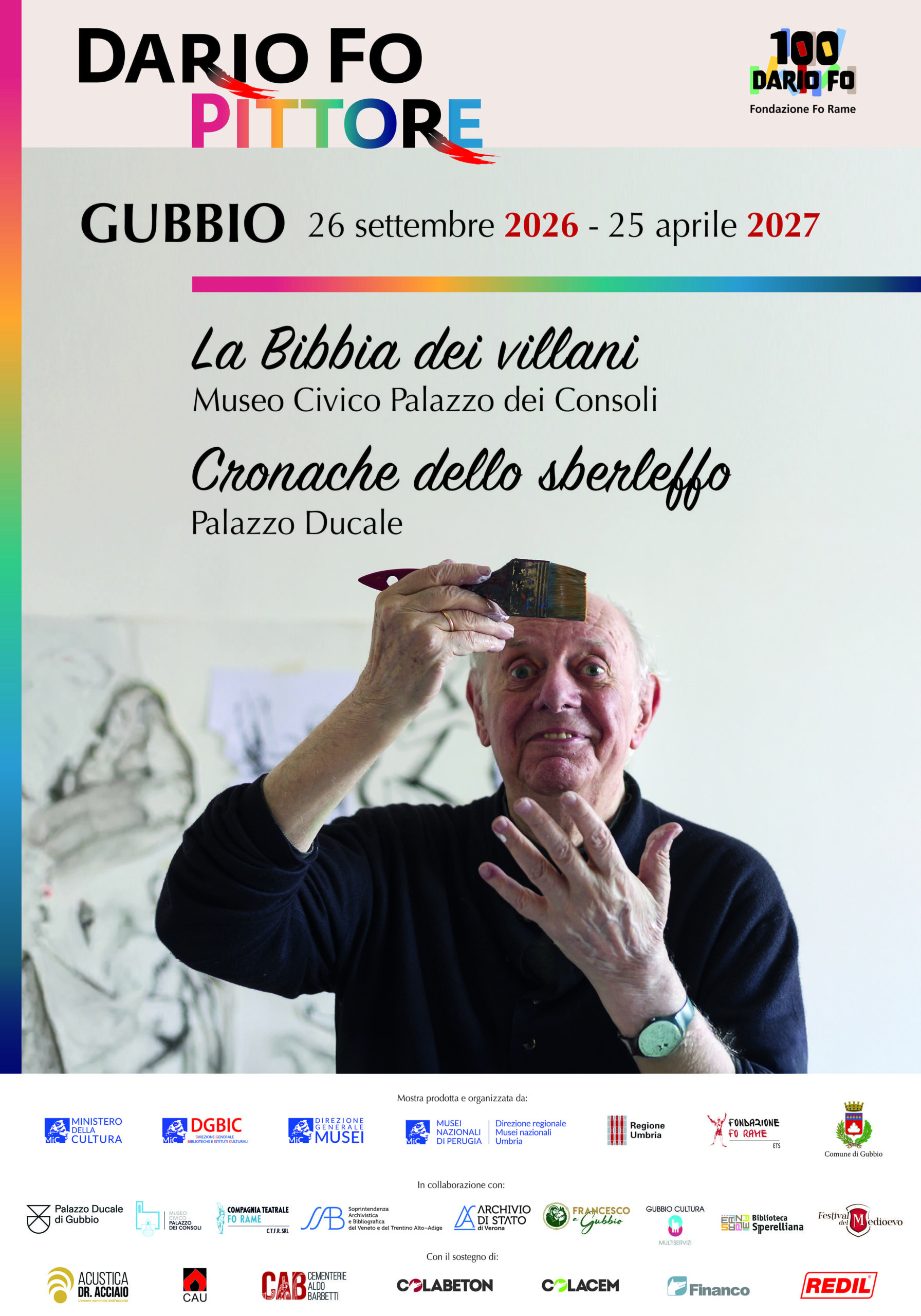
Dario Fo Painter
La Bibbia dei villani
26 settembre 2026 – 25 aprile 2027
Sala dell’Arengo di Palazzo dei Consoli